It’d be ‘interesting’ to see me fly them, that’s for sure 
2 Likes
Did you do this for one of your Difficult Approaches articles in PCPilot? I have have definitely flown it before with the ORBX Iceland scenery for FSX.
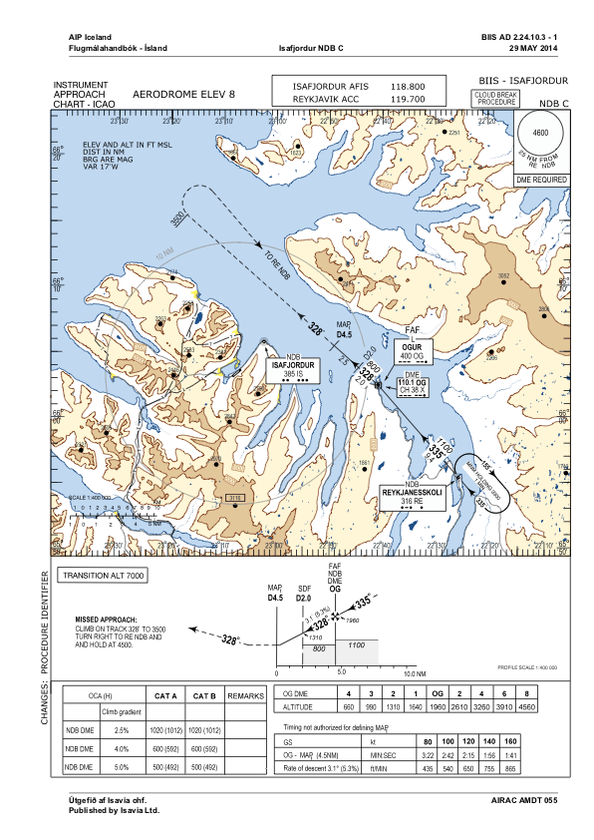
Another “fun” Iceland approach is Ísafjörður Airport (BIIS).
I was working up a flight/mission into there for my next simNovel (yes, Chuck and LaoBan will be back…eventually) - low visibility single engine…unfortunately my 2012 MacBook Air died and took some key files with it. 
and the VFR part of the departure…
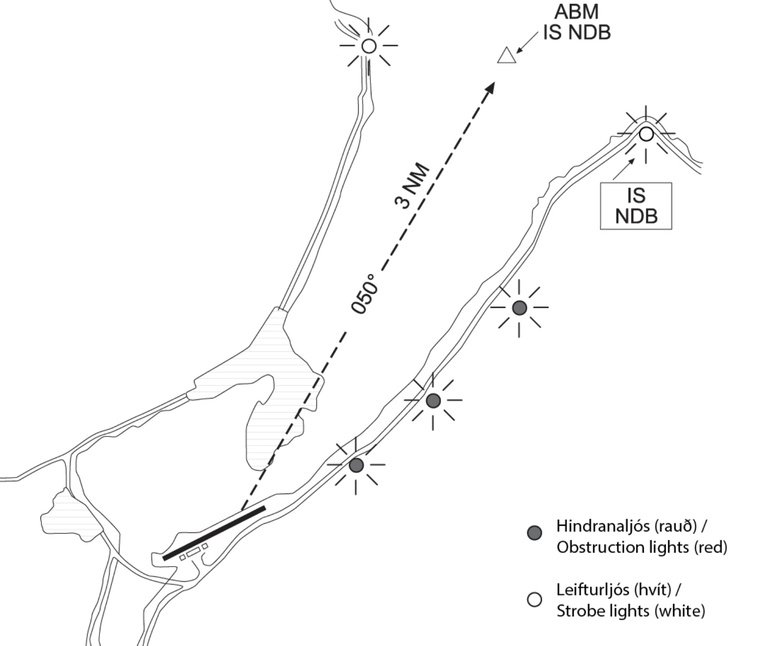
They not that if a ship is in the channel they will notify you…I assume with a minimum VFR they wouldn’t want a ship’s mast lights confused with these other lights.
1 Like
So the actual navigation hardware (the VOR and NDB beacons) are no longer present in certain locations? If the equipment is no longer present/operational, than any aircraft without a “synthetic” system can’t still use those fixes then right? How does that work for older AC then?
Any satellite will have some level of hardening. GPS jamming would be a more likely issue, and for the moment over the CONUS probably not a significant issue unless you’re near major military exercise areas. However if we ever got into a major shooting war, with how important GPS is to all sides these days I could see if going offline or being severely limited at the start of hostilities.
3 Likes
We’ve had quite a lot of instances of jammed GPS signals here in Norway. Everything from own and foregin military forces and foreign lorrydrivers wanting to spoof their own receivers…
But most occurances have been within line of sight of Russia.
1 Like
Yes…did you also see the odd arrangement of the PAPI…I think the left side VASI is 3.5° and the right side is 5.3°? And yes, that missed approach procedure is worthy of dissection itself. Definitely not a fun approach at the end of a 14 hour duty day!
Glad you enjoyed the approaches. I’ll bet you have some similar terrain down in your neck of the woods…
1 Like
That’s the one I’ve done for a previous issue of PC Pilot. That is a really nice one!
2 Likes
I decided to give that departure and approach a go.
Went with L410 Turbolet. For the first attempt went with real weather and time. Fortunately also forgot to set the payload so went with half the MTOW 
Not a perfectly smooth flying even in these favorable conditions. Next will try MTOW and some bad weather.
Definitely big recommendation to everyone to try it. Agree with what was already pointed out. And I will add that we could do this more often.
Beautiful evening far North
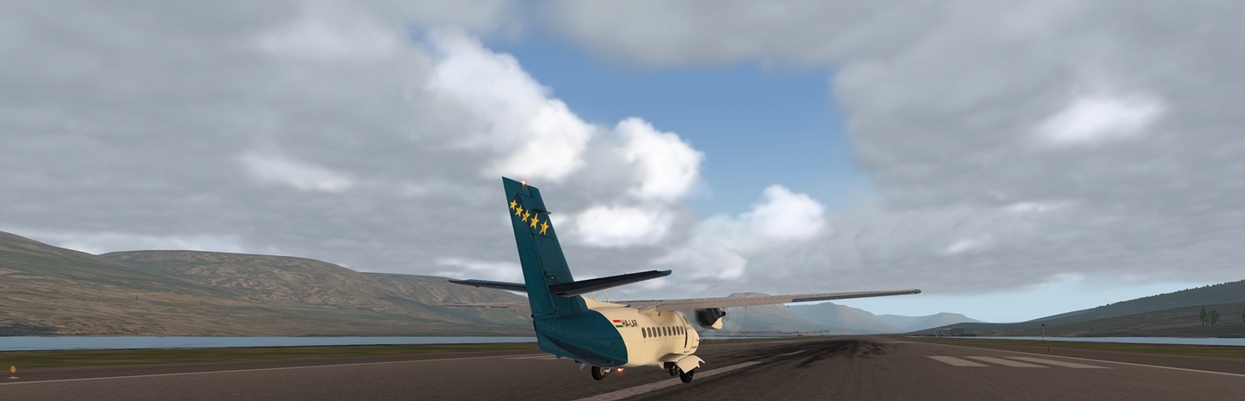
Left engine died little later after takeoff
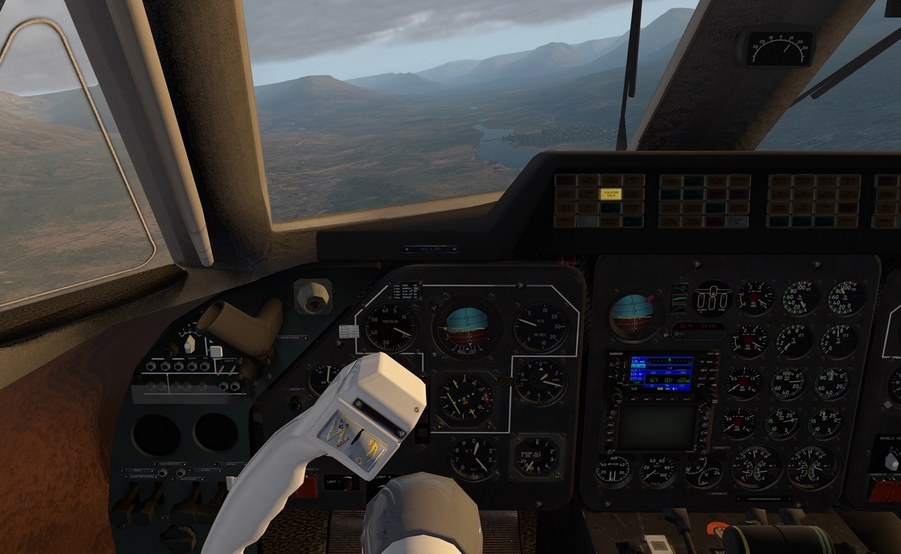
With medium weight I was able to keep with the climb profile
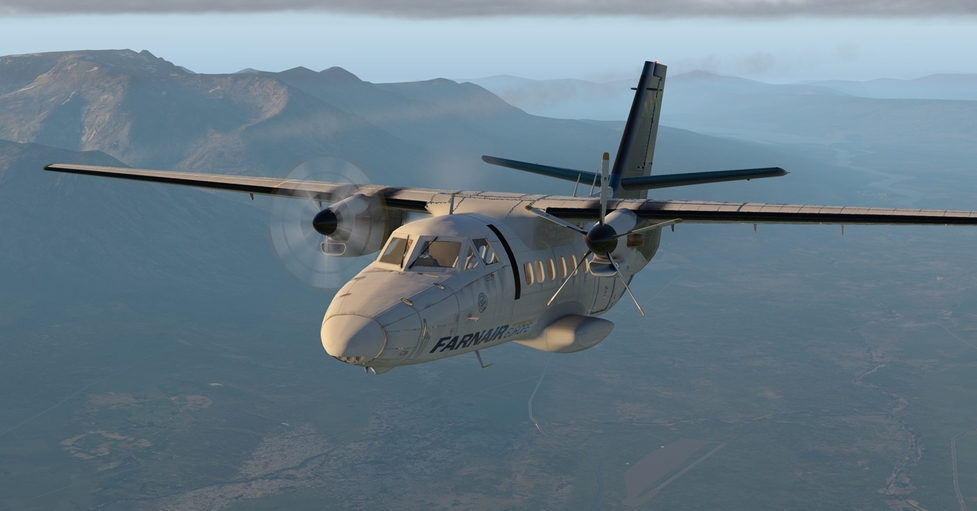
Very nice default scenery
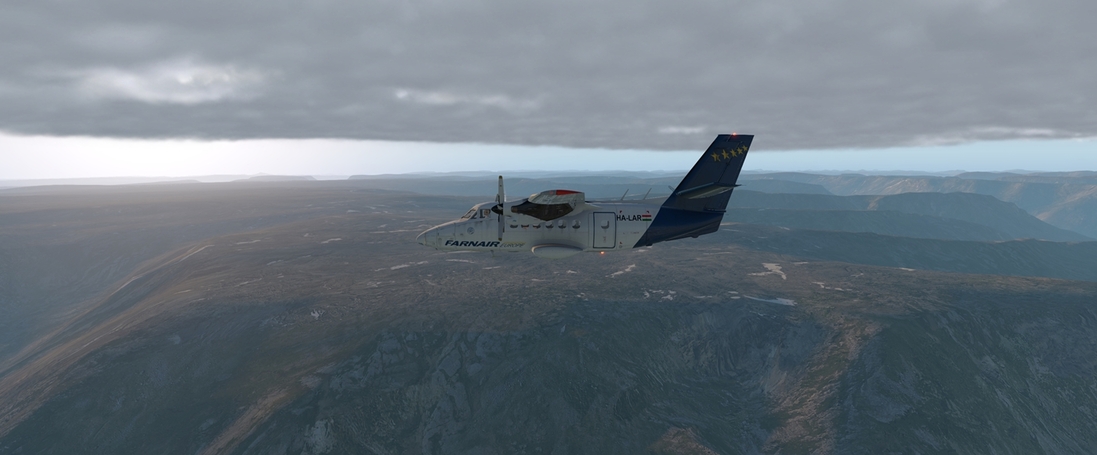
Following the approach chart
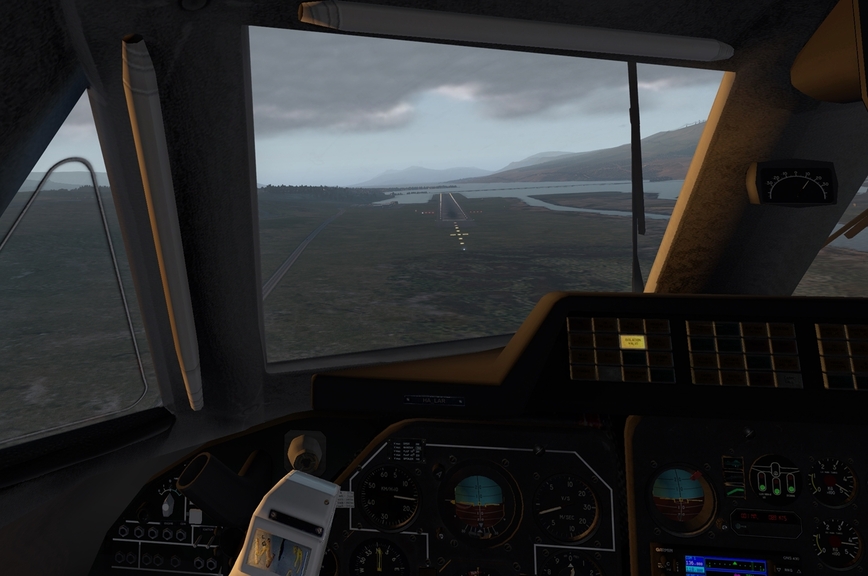
Safe and sound
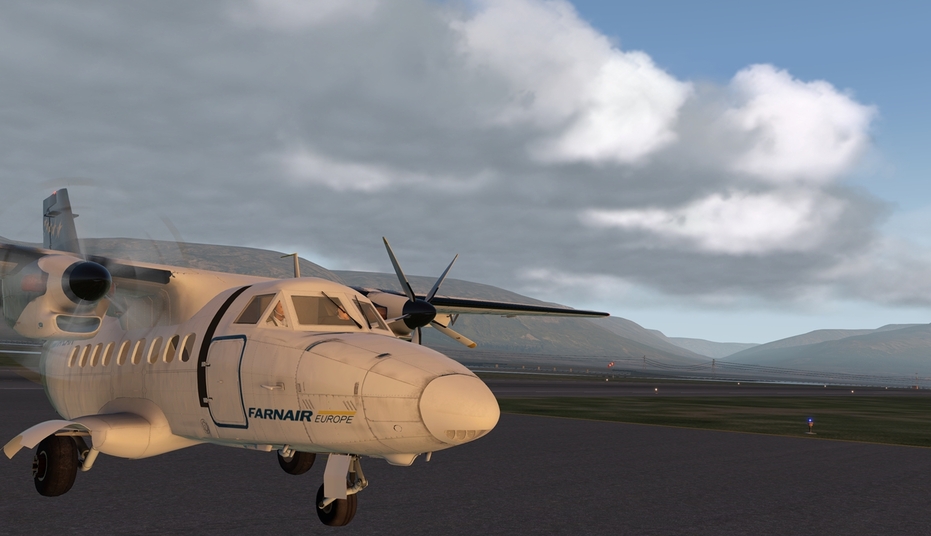
4 Likes
The horror ! Dark rainy night. I did wrongly setup my altimeter ( set it based on the METAR Q0983 what was actualy 1000 ft below see level ingame  ). All the way up I was higher then I thought, expected collision with the terrain any moment. I didnt collide despite the occasional ‘STALLING’ warning light.
Turned back for the approach and flew the missed approach as I expected to see the runway at cca 1800 ft instead of 800 ft and saw nothing. Fought the plane all the missed approach procedure and decided to turn on AP to have a break between the AR NDB and NB NDB.
As I had my head down in the approach chart AP went crazy ( turbulence or something ), my plane become uncontrollable and I overstressed it trying to save the night. Crashed not far from the airport.
Somewhere in the middle of the departure
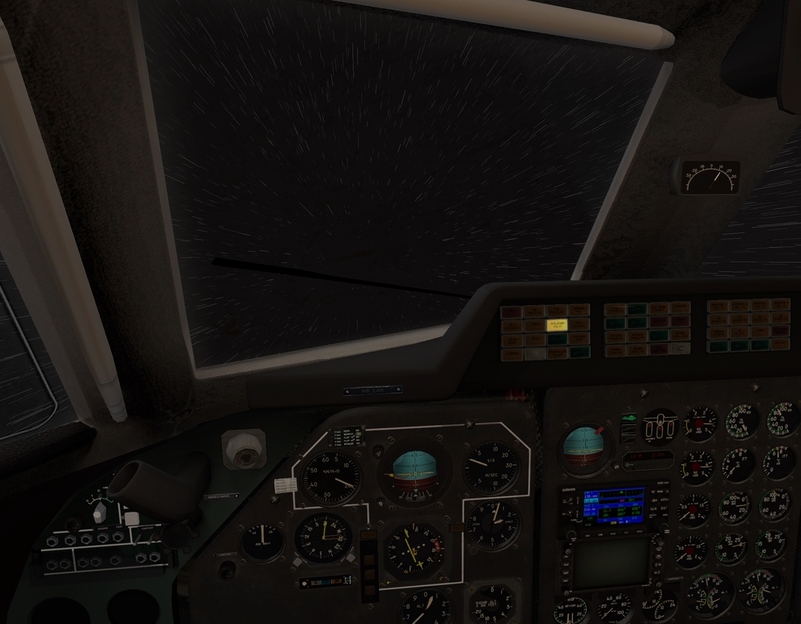
Night is dark and scary

3 Likes
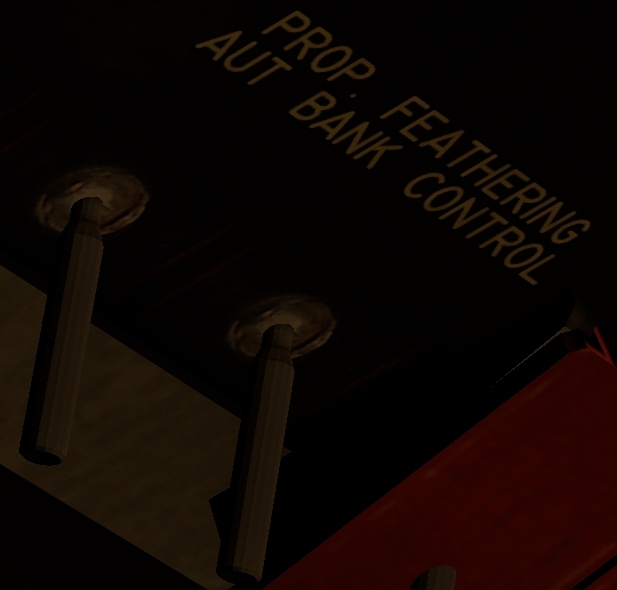
Nice job…! The L410 looks like it would be a handful on a single engine. The nice thing about X-Plane is, you can set the engine failure for the exact V1 speed, which makes things interesting. Maybe give yourself V1+10 or maybe even just have it fail at 200’ or something. Does the L410 have autofeather (might be called negative torque sensing or something)…
I did cut the engine manually. In the night departure right after rotation. Fortunately I still saw some lights on the ground without them I will crash right there 
Sure the failures menu. Will check that.
There are two switches on the overhead panel. Didnt consult manual but turned the left ON once I had some ‘spare time’ during the climb.
1 Like
Speaking of dealing with equipment failure.
Chaz posted this on simHq. Thought it was worth worth repeating.
@Beach - if this is too off-topic just delete the post
4 Likes
Not at all @piper - Haynes and his crew were the texbook example of using CRM. Very sorry to hear he passed away. Flight 232 has been studied so much and has been a great example to learn from and implement things they learned from it.
2 Likes
Respect…
1 Like
That brings up an interesting point for the real world. I would think that once the PNF makes the V1 call you are committed to the take off no matter what. In the sim the failure and V1 occurs at exactly the same time (give or take a couple of nanoseconds). In the real world the chance of that happening ing at exactly the same time are slim. So we can honest say that the engine failure is going to happen a little before or a little after V1.
Given the sensors and signals that provide the indications for engine failure, I would think that there is some amount of time after the engine fails that you receive the indications in the cockpit. Call it “instrument lag”
Therein lies the rub.
In the real world, if you receive a engine failure indication just as the PNF is calling V1, due to instrument lag, it actually means that your engine has failed–that it stopped producing the selected thrust–before the V1 call.
How long before? I have no idea. It would depend on the aircraft and maybe even weather conditions. 1 second? Add in human reaction times…maybe up to 2 seconds? I don’t know. Do aircraft manufacturers build a bit of speed buffer in when developing V1 speeds. As a mechanical engineer I know that standard practice is to add in an “engineering factor” into various design elements. Still, I don’t know.
That said…
As you all know I’m not a RW pilot. However, as a former naval officer I do understand and appreciate the critical nature of pre-planned responses. As such I assume that once V1 is called you are much better off “going flying”
…better to run the pre-planned drill where everybody knows exactly what to do than it is to say, "Well gosh Larry, you know you called V1 at like the same time that engine quit…maybe we should abort instead…let’s discuss …"
Besides, the chances that bit of “lost thrust” in a second or two before V1 are going to significantly negatively impact you are most likely very, very, very low…but…
…then there was United 191, 256 May 1979, where the aircrew handled the emergency by the book (set the proper airspeed of an engine out TO) but still…
(Hopefully not too morbid of a realization)
1 Like
Certification for our plane (I’m not sure if it is ALL planes) is engine failure at V1 and a two second period for application of the first stopping action (typically brakes). We are taught to remove our hand from the throttles at the V1 call and put it on the yoke. This physical action commits you to takeoff. Then things get sort of grey and hazy. Lets say we are taking off from an ex-SAC bomber base. 12,000’ of runway and we get an engine failure at V1 + 5 knots…and we’ve only used 2,600’ of so…hmm…decisions, decisions…
1 Like
I figured there was a bit more to it…thanks!
Another “fun” sim drill is to drop below the red line when trying to land single engine. The Carenado Do-228 for FSX will give you quite a ride.
1 Like
I’ve probably flown a few hundred times in my life and only experienced one rejected take off. Summer of 1997, Philadelphia Intl (KPHL), RWY 27R, an L-1011 headed for Frankfort, Germany. Got going pretty good but then slowed down and pulled off to a taxiway. I shall never forget the pilot’s PA announcements.
“Well folks, you may have noticed that didn’t go quite right…one of our gauges up here was telling us something we didn’t like so…ah…we’re just going to take a look at things and see if we can work some of these gremlins out…I’ll get back to you in a bit”
[sound of the right engine spooling up…then down…then up again…then down…]
“OK folks, from the flight deck again…well,…[barely audible slight chuckle]…it looks like we worked things out…so…ah… we’re going to take another shot at this…umm…flight attendants prepare for take off.”
I was like, should I be  or should I be …I settled with
5 Likes
That’s a really interesting scenario - do you brief for that if you are taking off from a runway with considerable extra length on top of the required takeoff distance?
We do not brief for it. Once my hand moves from the throttles to the yoke - we are going flying unless there is a catastrophic event leading to a loss of control or something that would making landing straight ahead preferable (flames shooting out of the panel for instance)…
2 Likes
We call “V1” 5 knots prior for that very reason. But in any case it really is not that critical. If the calculations only worked down to the “gnat’s &$$”, commercial flying would be a very dangerous endeavor. Overweight bags, underwhelming motors and old men with the response times of a fast sloth are all factored into the “math”.
1 Like