It always makes me chuckle a little when a line guy tries to marshal me in uncomfortably close to a building, another airplane or other obstruction…the look of disbelief on their faces when I ignore their instructions is priceless.
I remember one fellow who tried to lecture me on following directions… we had a quiet conversation about who was responsible for the rather expensive airplane while it was moving under it’s own steam.
And the opposite, when I actually do follow the instructions, although obviously wrong…! Just the other day they were training a new marshaller. They guy got his directions backwards. There were plenty of space, so I turned the way he waved. The waving slowed, stopped and began frantically waving the other way!
Yeah, I was once told, by a marshaller, that they decide where to park. I just replied ”only when I agree, or they change the parking to a place I can agree to”
Also, there are not always lines. Lines are only for “movement areas” (areas controlled by the FAA). Ramps are often marked or unmarked as the airline sees fit. And sometimes pilots do exactly the same dumb thing drivers do at a Home Depot parking lot, make a bee-line for the exit instead of properly following lanes of travel.
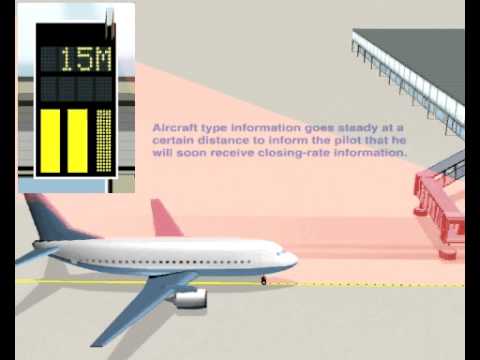
What a load of BS! The best advancement in a decade…in fact an even better advancement than the e-flightbag…is autopark. It takes the marshaler out of the equation entirely and projects an optical lens to the Captain for centerline control and a lidar-directed distance bar for braking. 100% fool-proof.
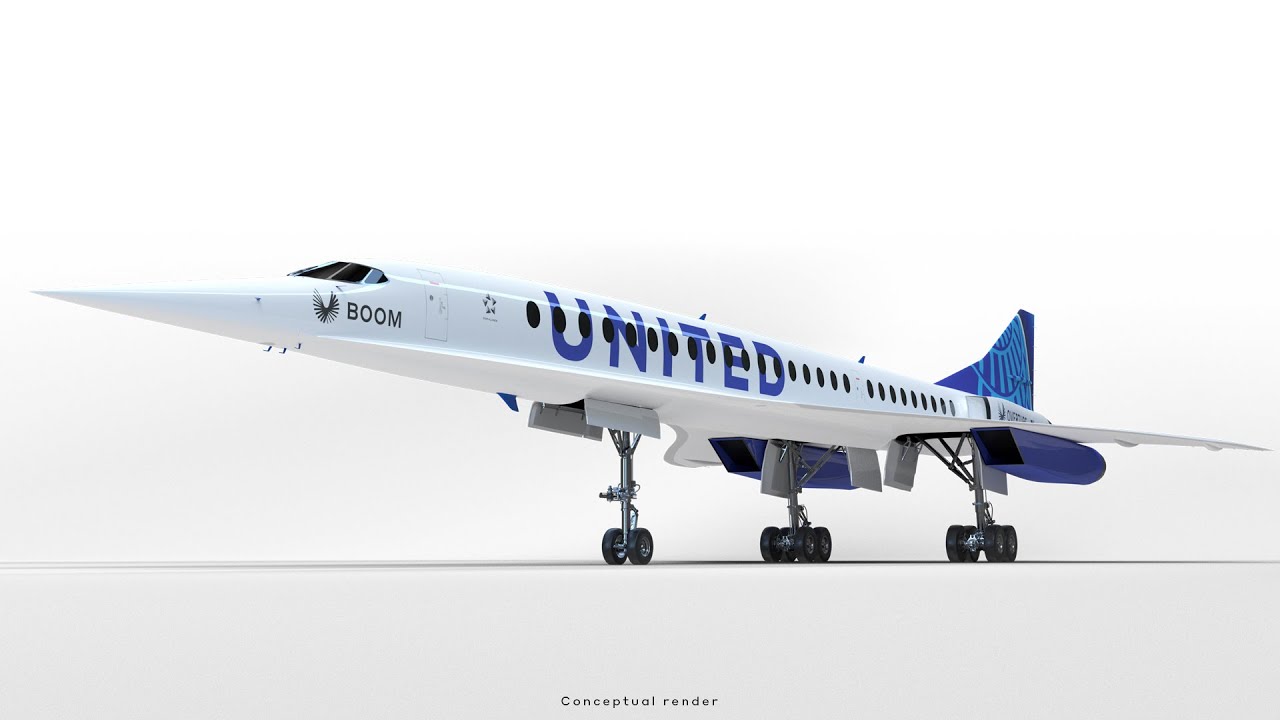
I read something about Boom recently…about the CEO wanting to have $100 flights or something. It was the kind of shill/sell that made me really doubt the company if the CEO was that far out of touch with the reality of the costs of aviation (engineering, maintenance, safety, development, certification). This looks like a capital money grab where the project dies and everyone gets rich. If I were an investment company or capital venture company…I wouldn’t touch this with a pole shaped like the Boom.
But hey. Who knew a company would be landing rockets vertically day after day… Now, where did I park my Wright Flyer…?
Yeah…I hope they are successful. The stresses on supersonic aircraft and the operating regime are so darn hostile though. I hope they get it working…and that it is affordable. It is a cool looking air vehicle that is no doubt…!
This is the part I’m really not sure you can get around. They worked out the supersonic aerodynamics a long time ago and you just need a lot of energy to be in that regime and it’s a tough place for a machine to be in…and I just can’t see there being a solution nobody has thought about yet that would revolutionise things.
Modern composites will reduce mass, modern metallurgy and knowledge improves engine efficiency etc. - but you still need to burn a lot of fuel to stay going that fast for hours and the stresses involved are substantial…so I don’t see where the difference between the (failed) business case for the Concorde and the business case for Boom lies.
It helps with things like fuel burn and drag reduction…but at Mach 2+ speeds the heating on the parts of the aircraft that are still hitting the air molecules is significant. And there is still quite a bit of atmosphere at 60,000’. And all the parts that aren’t in the airflow are probably sitting at -60C or something. I think Concorde operated in the FL500 or near there regime maybe…
Oh I agree…the airline did a bang up job of being the early adopter that got the image out there. If the airline entered a purchase agreement or has some cost in the development however, I don’t know that it will be worth it. I like the tag “Supersonic Is Here” because I don’t think the plane has even been built yet. The “Baby Boom” is a 1/3 scale and it hasn’t flown yet that I know of (?). I don’t know…color me skeptical.
Concorde certainly didn’t make back its development costs however both British Airways’ and Air France’s Concorde services were consistently profitable from around the mid 80’s until they retired in 2003. The main reasons for the lack of aircraft sales to other nations / airlines were noise and range. The sonic boom meant most countries simply banned it from being operated supersonically over land, and the range of a little over 4000 miles made it impractical for a lot of ocean crossings.
My understanding of the Boom is that they have put a lot of design effort into reducing the impact of the sonic boom (I’m sure there’s a wordplay joke in there somewhere but I’m too tired to see it) and are hoping to open up the possibility of flights at least in part over land. If that happens it will open up a lot more routes that might support a service. It will cost more than a standard subsonic flight, but in a world where Jeff Bezos spends half a billion dollars on a yacht to play with there might be enough demand amongst clientele who can afford to pay. Its a gamble, but I kinda hope they succeed.