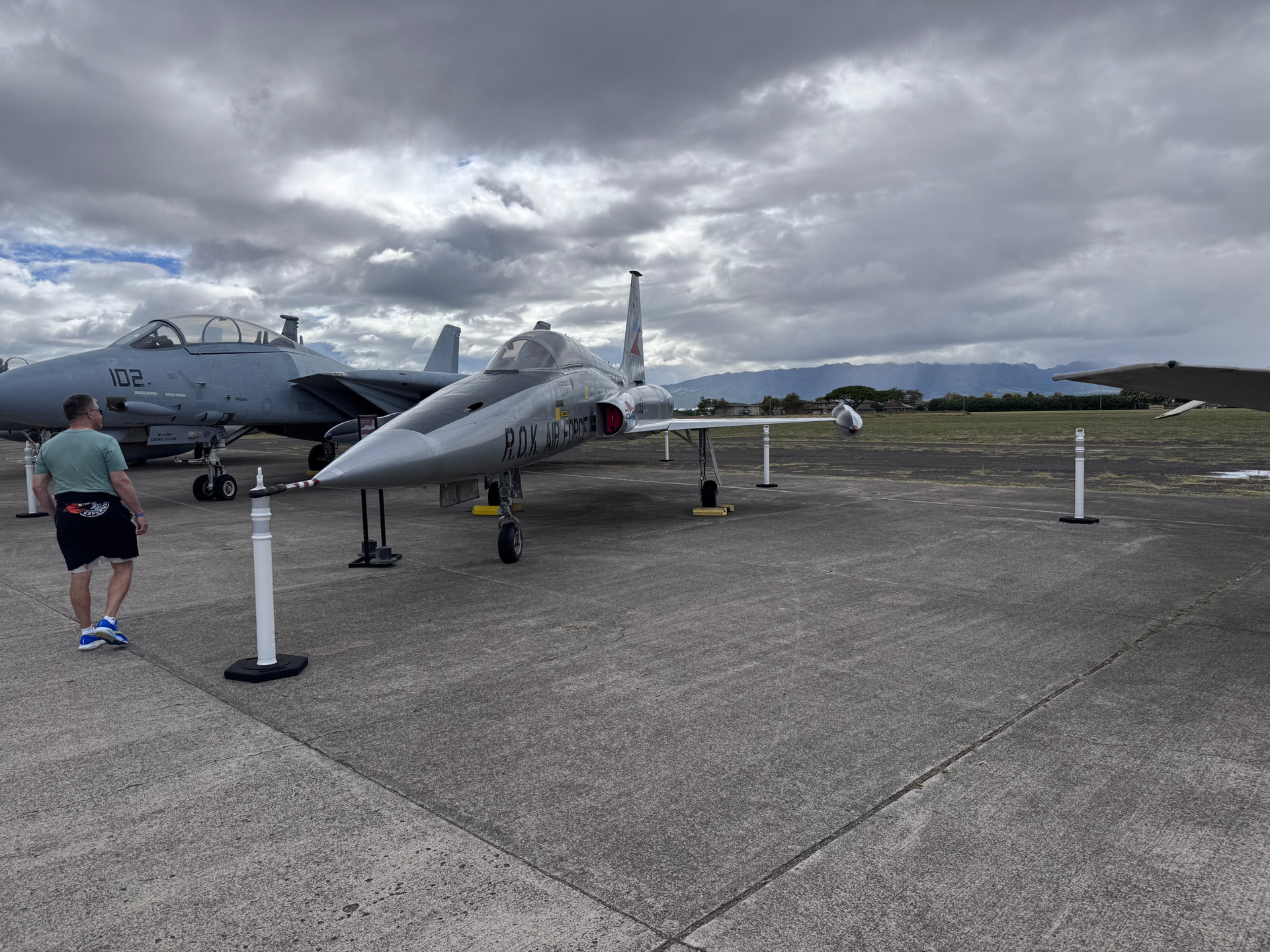
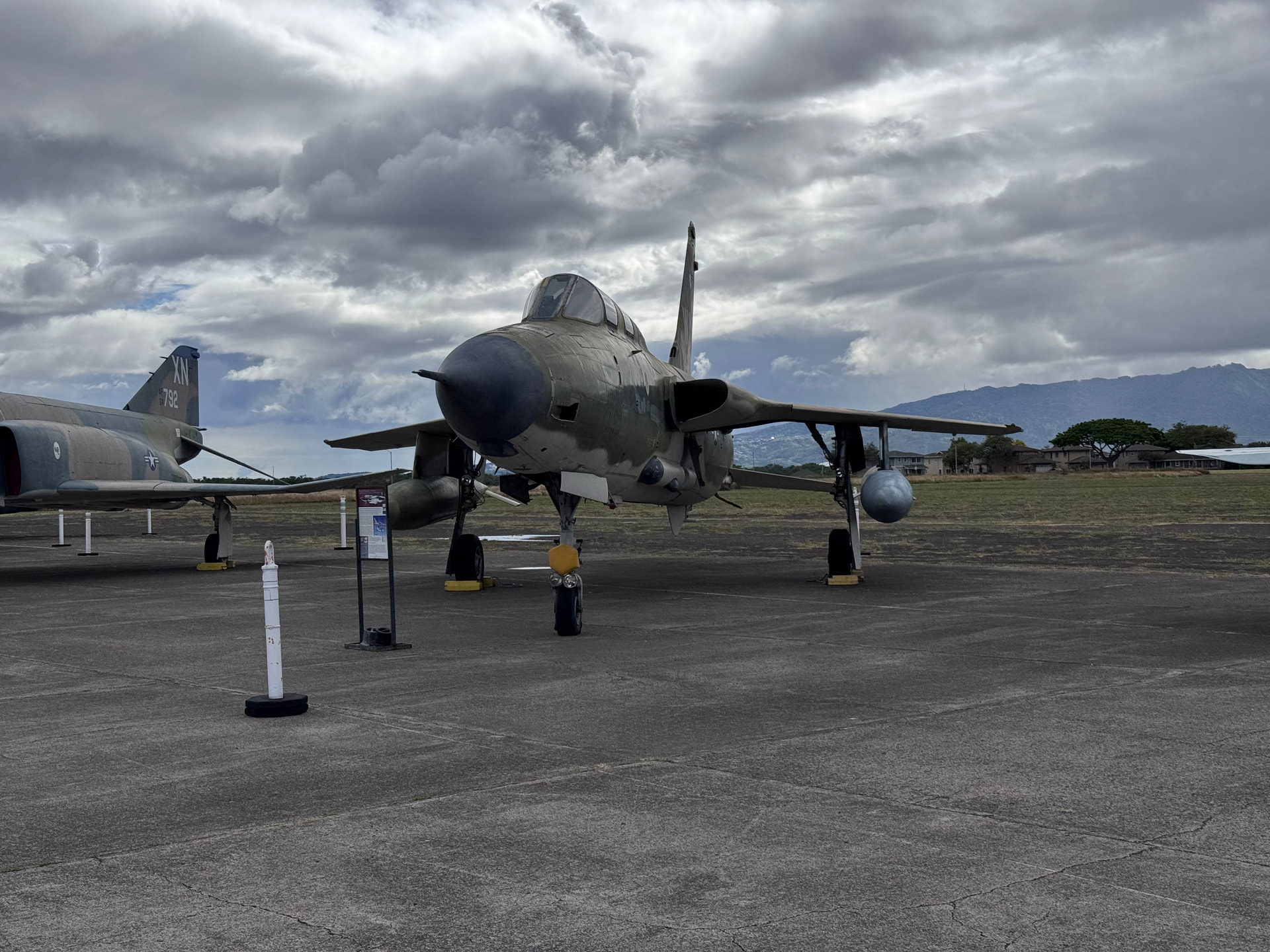
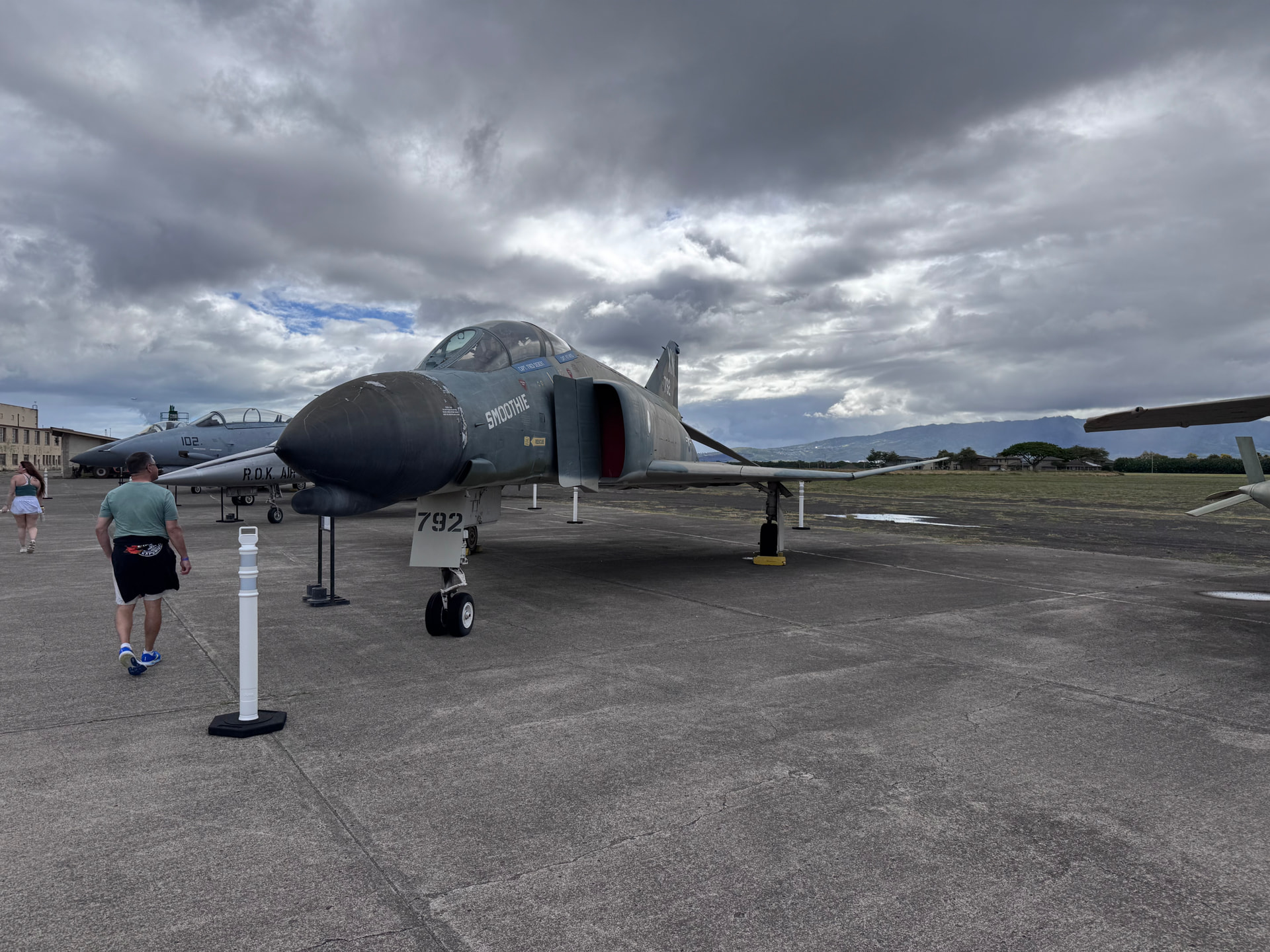
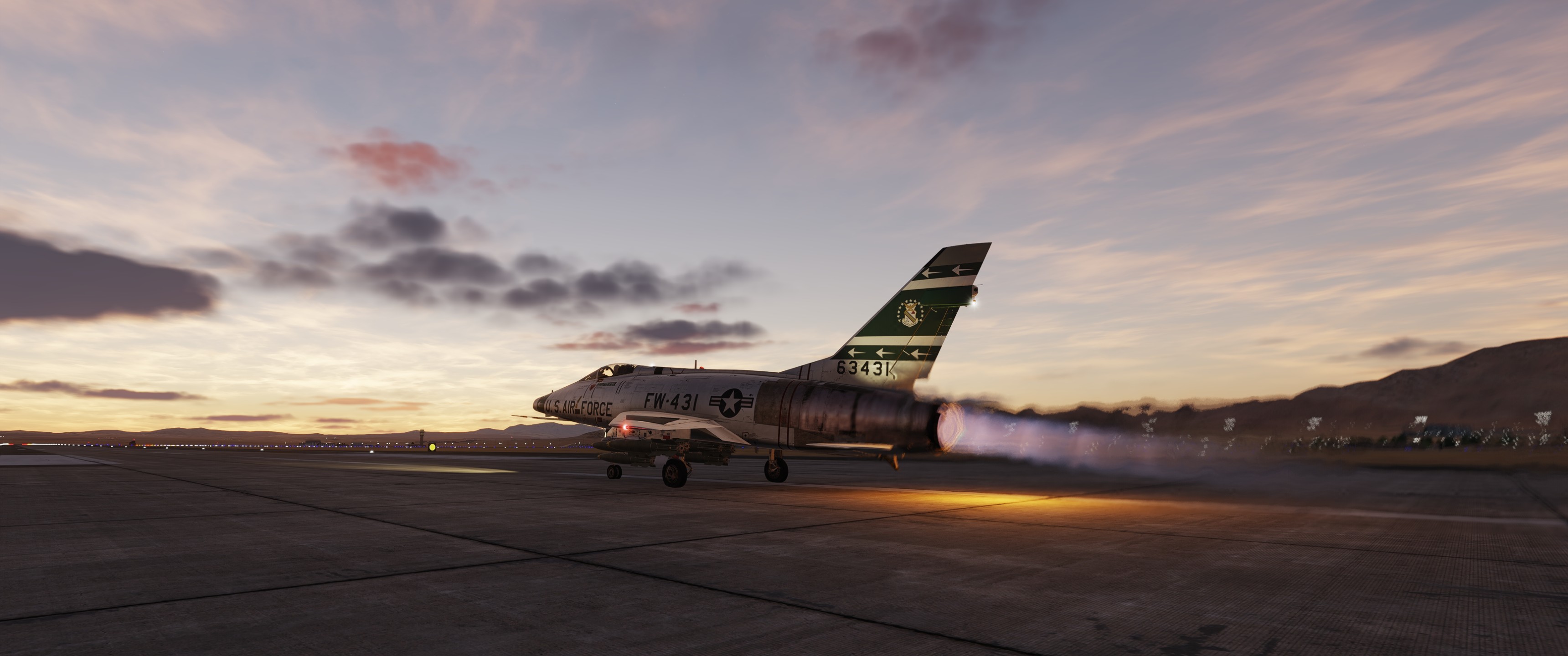
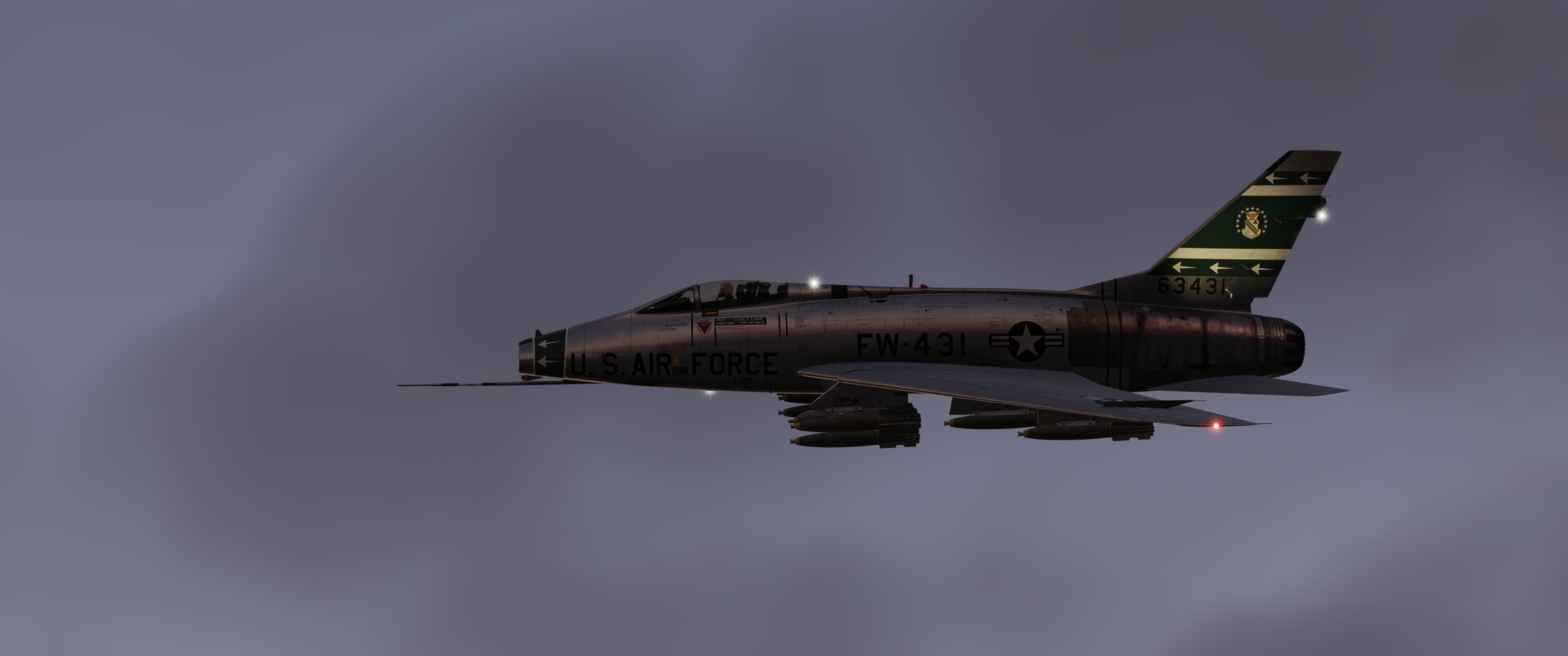
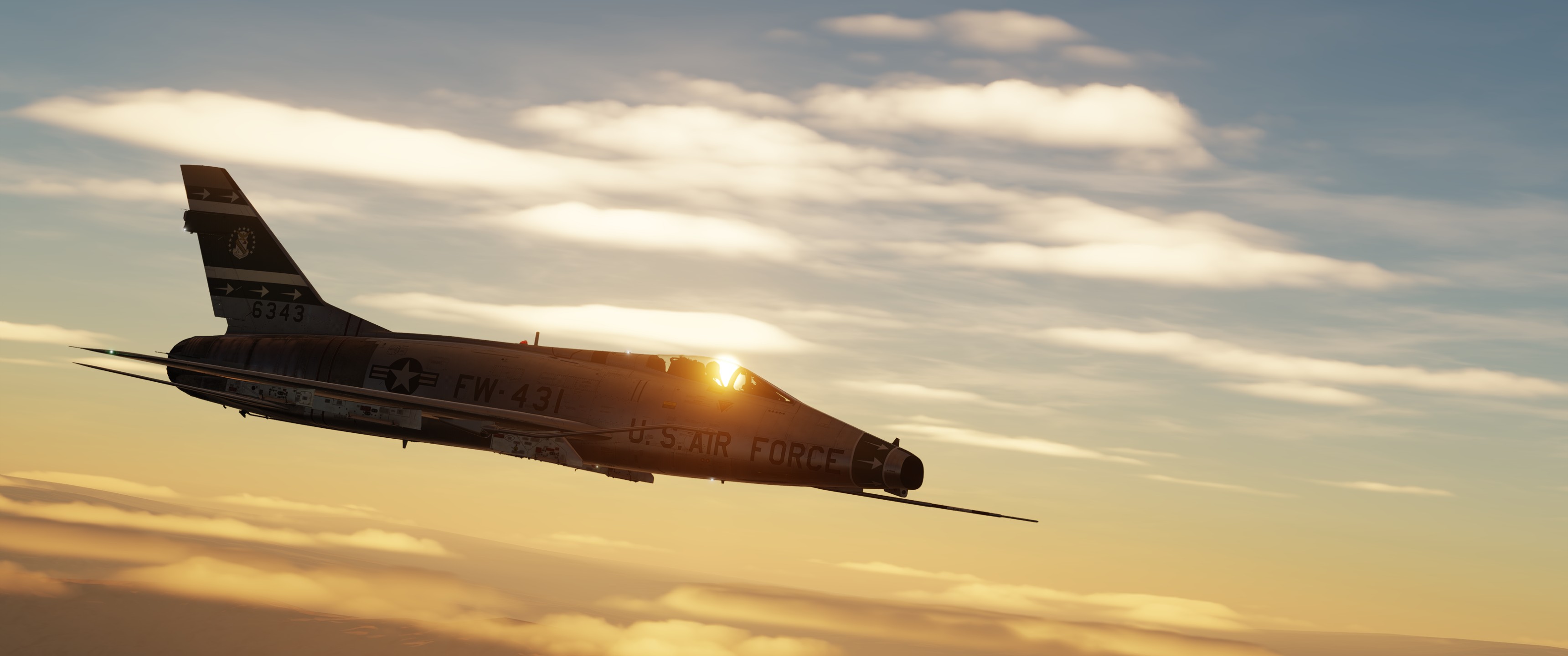
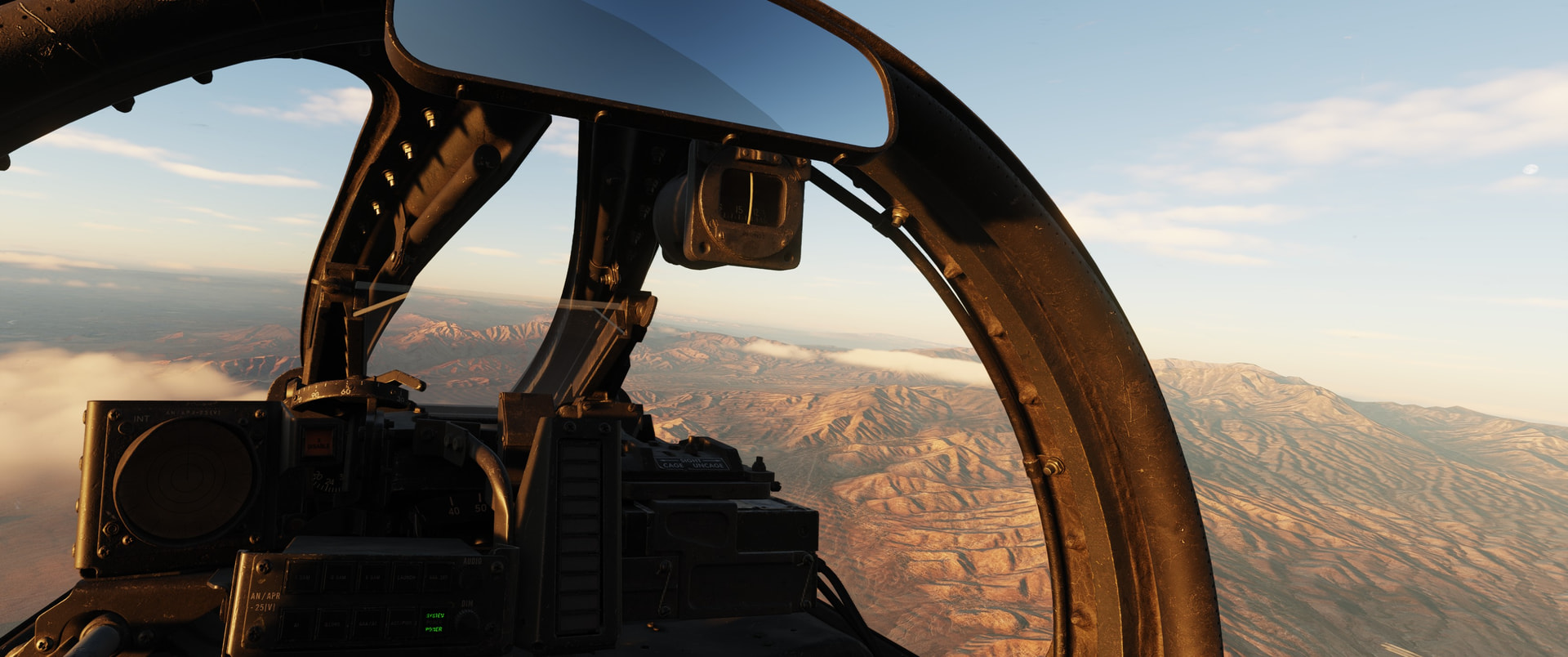
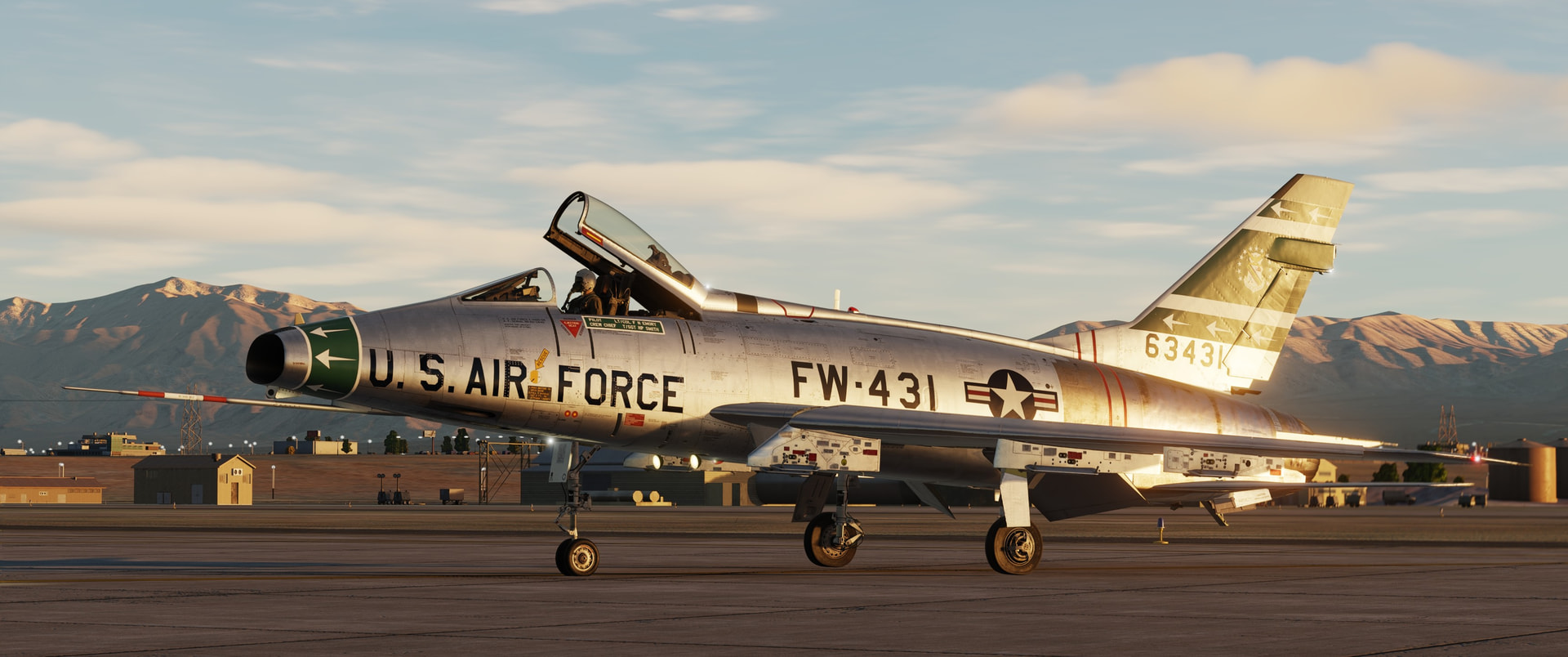
It’s a tough job…but someone has to do it! 
A few more highlights from the museum. I’ll post some more in the Where You Are thread. 
It’s a tough job…but someone has to do it!
A few more highlights from the museum. I’ll post some more in the Where You Are thread.
This right here, rung my bell. from @jenrick "The A-4 Sight could probably label it better as “Adjustable Depression, Gyro Gunsight, Auto Bomb,”
Here are more words of wisdom from @jenrick
“696’ MSL, real world, check the mp. So with my altimeter set to match the local QNH (which I know is default weather of 29.92), I just add 500 to that to get my target of 1196’ on my altimeter”
Thank You, Cant wait to get home… Two hours till I am home. YAY!
Well, being that all my “missions” were during peacetime, I don’t want to get ahead of myself.
But, considering that when I iron sighted in the TA-4 and the T-45 we absolutely used our baro altimeter for release altitude and even the Harrier used baro at times to derive it’s data, it theoretically could affect your accuracy…at least to some degree.
Thinking about it though, I’m going to say that, compared to all the combined error sensitivities, altimetry errors (unless they were gross) probably mostly got lost in the math.
I mean, when your sight was approaching the target, you were literally sort of going, “OK, so I’m about a degree steep, but I think the airspeed might wind up being just short of 10kts slow at release, but it also looks like the pipper is going to reach my offset aim point at slightly higher than release altitude, so the angle and speed will somewhat cancel out but I’ll correct for being a little high by aiming about 50ft long.”
So, some pilots might have been able to do that well enough to where a small altimeter error might make a difference…but I couldn’t! 
Not that you wouldn’t want to put the best data in possible, just that it might not necessarily be the long pole in the tent, if you know what I mean.
To be fair, as we would either generally bomb local ranges or have spoken to ATC for a local setting enroute in peacetime ops, that whole issue may have taken care of itself.
I’m sure that this sort of thing would have been more important to, say, an F-4 guy flying from Thailand up to Hanoi than it would be to one flying CAS close to Da Nang, but in either case I would expect that it would have been addressed in the target weather brief.
How’s that for a non-answer?
Ok @Deacon211 My head is spinning
Something I want to share with you guys, since I feel I am always taking and not giving enough.
The WinWing Throttles have a bunch of rotaries. I use one for the Sight Selector Knob and with a modifier I set the Mils. Then the three at the base of the Throttle I use for Heading, Course and NBD Tuning on that beautifull radio we have in the Sabre and Super Sabre.
These throttles are game changers. I combined mine with the TO panel and i have to try hard if Im going to run out of buttons.
I finally got round to checking all the skins included. The Mach3 ones are awesome. 50s scifi chique. Colourful and shiny, just superb. They included even a (fictional) Dutch one! Yay  !
!
The ratty Turk is fun too. Poor ol’ bird
I was amazed at the skins too. Too bad that German splinter in the Vid above was not in there, but Germany never did have Huns.
@jenrick I am home with the printed chart from the manual and ready to make some runs. YAY
I just dropped a stick of Snakeeyes on some tanks. Sadly the strike camera has its exposure borked on my end. Known problem, oh well waiting for the next patch.
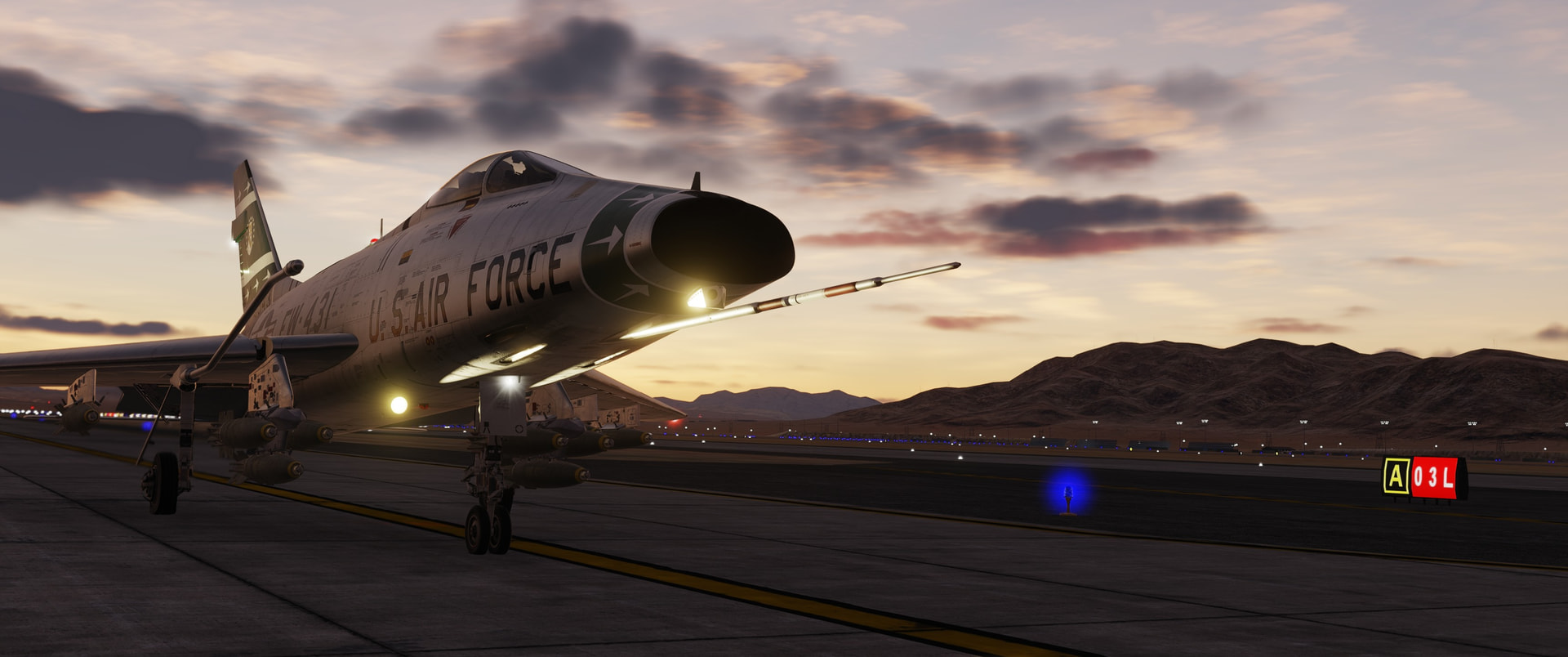
Some pictures
They are my favourites!
Considering mine have all been in the comfort of my chair behind my monitor, I think you can lead the way!
Good point. I think part of the issue is in DCS our aircraft are always fully functioning, everything is correctly calibrated, the bombs are perfectly balanced, fins are dead straight and attached perfectly square, the radar is correctly tuned, the ejector rack is dead straight, the ejectors all fire with equal force, etc. Errors that might be immaterial real world show up, as they are the only error in the system in DCS.
That’s kind of what I was thinking, is someone somewhere had at least a SWAG on the target area barometric pressure.
As our continental friends would say: “Brilliant!”
And because I am nerd, with time on my hands. .1 inHg on the in pressure difference is equal to 100’ of altitude difference. Disregarding air resistance (as I don’t happen to have the BC for a MK-80’s series bomb), and assuming a level release, a 500’ drop takes approximately 5.5 seconds. A 600’ drop 6.1 seconds and a 700’ drop 6.5 seconds. Assuming ground level is 600’ MSL that makes our 500 IAS ~507TAS, or ~850.7’ per second (~.16 miles, ~250 meters). In this dramatically simplified calculation being 100’ high puts you ~425’/125 meters long, and being 200’ high puts you ~850’/250 meters long. As the bomb is falling in a curve, this should be the absolute worst case, something like a CBU dispenser or the like would be closer to these figures than something like MK-80’s series bomb which has a pretty decent BC.
And just for the heck of it, Ubon currently has a QNH of 29.80, and Da Nang has is at 27.71, and if you’re going all the way downtown, Hanoi is 29.65.
Great stuff!
Actually, I’m surprised that the QNH is that varied…though I haven’t “flown” in VN since Strike Fighters so my appreciation of distance is a bit off now.
Regardless, we are happy to have a real air warrior opinion. Even if you only killed dumpsters and targets.
So i am still dropping short. I have to change my mission perhaps as i am too frustrated at this point. Its amazing to me how precise you have to fly. I need more eyes than a fly to check everything. Speed, VVI, ALT, Pipper… danggit!
I raise the mils, im short, i lower the mils, im short. Its embarrassing at this point. I cant hit the side of a barn with a snake eye.
Can you post a track, I’ll be happy to take a look and see if I see anything. Caucasus or NTTR to keep it simple would be best.
Don’t feel bad! The error sensitivities involved are really pretty amazingly tight when you think about it.
It only takes a few knots, a degree or two, or a second anticipation/delay and that sight is functionally meaningless.
Consider how many years you’ve played sims where you, “put the thing on the thing”.
Now, not only is one thing only accurate in a very specific set of parameters but, if you are correcting for wind, the other thing isn’t even what you are aiming at.
That’s a hard habit to break! And not just for you.
Personally, providing that you’re not being a “switch pig” (and our squadron had a little pig award for “winning” it so, again, not you), manual bombing is mostly about consistency.
I’d recommend starting with slick bombs and learning something like a 30 deg delivery. Don’t start with level laydowns. They’re harder for the same reason that playing darts is harder if the dartboard is on the floor…and you’re laying down on the floor as well.
Tacview or watching your playback is a great suggestion as well and I’d definitely take @jenrick up on his offer. It’s incredibly hard to self judge your runs in real time.
Undoubtedly, it takes some practice (or a willingness to string bombs from here to yonder…sometimes both!).
But, once you get good at it, it’s very satisfying!
Good stuff. Yeah, when I worked the AZ low alt areas there would regularly be enough diff [ALTSG] . between say, PHX and PRC that FL180 ‘went away’. Was annoying, and IIRC there was, probably for a reason, nothing that told you exatly where the change took place. Was a ‘wag’, solved by just not letting it be a problem.
All this ‘manual bombing’ stuff is cool. Feel like I’ve done something when I start to git gud at it (have to keep it up too). More satisfying than putting the thing on the thing [and having the computer say “when”]
I want to die. Having played combat flight for two decades ant i cant do what 20 year olds did?!? Feeling sh*t
I’m hip. I think some of it IMO, with non-FBW jets, is the lack of physical (seat of the pants) feel too. Just a guess [excuse on my part?  ] - keeping these old beast steady is hard for me.
If you are way far off with your drops, it’s likely a setup (equipment or attack profile) issue versus a skill issue.
I suck at dive angles without a HUD so one cheat I use to get myself in the ballpark is to come in with an arcing base turn before rolling in. I can put my wingtip on the target then check the bank angle on my attitude indicator.
But like Deacon said, consistency. Even if it’s just practicing a level turn around an object off your wingtip at a constant speed. It all compounds to later skills.
What gauge layout are you using in the Hun? If it’s not the default one, you might be making it harder on yourself than you need to.
My general approach to a laydown delivery, is first get the speed right early. Particularly in something without a HUD, that’s something I can set and forget aways away from the target. Same with trim. That low you’re going to be making minor corrections in anything that’s not FBW or has an ALT hold regardless of how dialed in the trim is. With that said, are you using FFB, I find that the non-FFB trim is pretty decent once you get it dialed in. Altitude I want to be ball park more than a minute out, if I’m way off I’ll screw up my speed and angle trying to get to right altitude.
One thing with altitude is developing a “picture” of what a certain altitude looks like. If at 500’ AGL the trees on the Kola map come up to certain point of the cockpit rail before disappearing under it, I can use that to help keep my altitude roughly on without having to stay glued to the altimeter. Same for the sight picture of what “level” looks like. The horizon line across the cockpit should be your primary instrument to determine if you’re level in VFR. If you’ve got your speed on point, trim set pretty good, altitude picture looks good, and put the horizon level; you have about 80-85% of what you need for a good laydown delivery done without even needing to glance at a gauge on the actual attack pass.
From there it’s not reading a gauge so much as monitoring a trend. If I know the altimeter needle needs to be at say 9 oclock, I’m not watching the VVI and altimeter. I see the altimeter needle dipping, I give the stick a hair of pressure aft, and see if the trend on the needle changes. Slows - add a touch more. Stops - hold it right there. Reverses - back off. Yes, ideally I’d like to have it rock steady, but unless I’m in something with ALT hold it ain’t happening for me. Speed, same thing, and honestly depending on the jet I may not even try to fix it. On a string of bombs unless you’re grossly off on speed it shouldn’t matter a ton.
My sight picture outside is keep the wings level, and the horizon level without having to watch the attitude indicator. About 90 seconds out I want to get on profile as best as I can, I’m probably 60/40 to 50/50 in the cockpit to outside. Under a minute, I’m at most 50/50, more likely 40/60 cockpit to outside. At the 30 second mark, I’m pretty much 10/90 cockpit to outside, and around the 10 second mark, I give the gauges a glance for any errors I need to account for on my drop, and then it’s all on the piper and the outside sight picture to keep it level and pickle on time. And accounting for my errors is very much a SWAG, not anything near as reasoned as Deacons example of figuring speed vs altitude corrections.
Lastly the actual bomb string should be doing the hard work for you. Even with whiz bang stuff in modern jets, dumb bombs are an area weapon. Lets say you want to blast a group of trucks. On your axis of attack the formation is about 200’, and you have 6 MK-82 Snakeyes. You can space them out every 33’, but the craters will almost be touching. I usually use 100’ spacing for soft targets, that gives us a 600’ bomb string. I can be 200’ short or long and still get 100% effectiveness. I can be 500’ off and still get 50% effectiveness.
In general if you’re not comfortable flying that particular aircraft low and mostly heads out of the cockpit, laydown deliveries are going to be difficult. Once you get used to being low and steady, the rest is just picking some spots for the needles to be at, and pressing the pickle button.
I REALLY like doing ground attacks the old school way, so the vast majority of my combat flight sim’ing has been doing this stuff. I still regularly screw things up, I just usually know what I screwed up. Also remember all the guys flying ground attack started out dropping bombs in something with less performance. I’d highly recommend something like the C-101 or MB-339, as I don’t think you can get 500 kts except in a vertical dive. Doing laydowns at 300-350 knots really lets you get in the groove of doing them before transition to something a good bit faster.
The F-5 is a good one to practice in too, with good visibility, reasonably stable, and a good sight. It has the same turn of speed as the Hun, so you can work up to full speed. The Hun and the Phantom are on par with the Mig-21 for human factors in the cockpit, with gauges shoved every which way, and the forward view being “tight” to be generous. Using something that’s more pilot friendly and has better visibility is definitely going to make your life easier. Something kind of in the middle is the Mirage F1. It has a baro altitude gauge in the sight glass, but no speed read out. The view is congested, and the gauge locations aren’t optimal, but with the airspeed indicator being high on the dash it’s pretty workable. It has a pretty decent autopilot for heading and ALT hold, to help with the workload, and it is stupid fast when you punch the burner it.