Two more days until the great gig in the sky
5 Likes
Man these references really “Speak to Me” 
4 Likes
just breathe man, breathe. or it’ll cost you money as they welcome you to the machine. aint got time for that.
5 Likes
Enough 
I think you passed The Trial
6 Likes
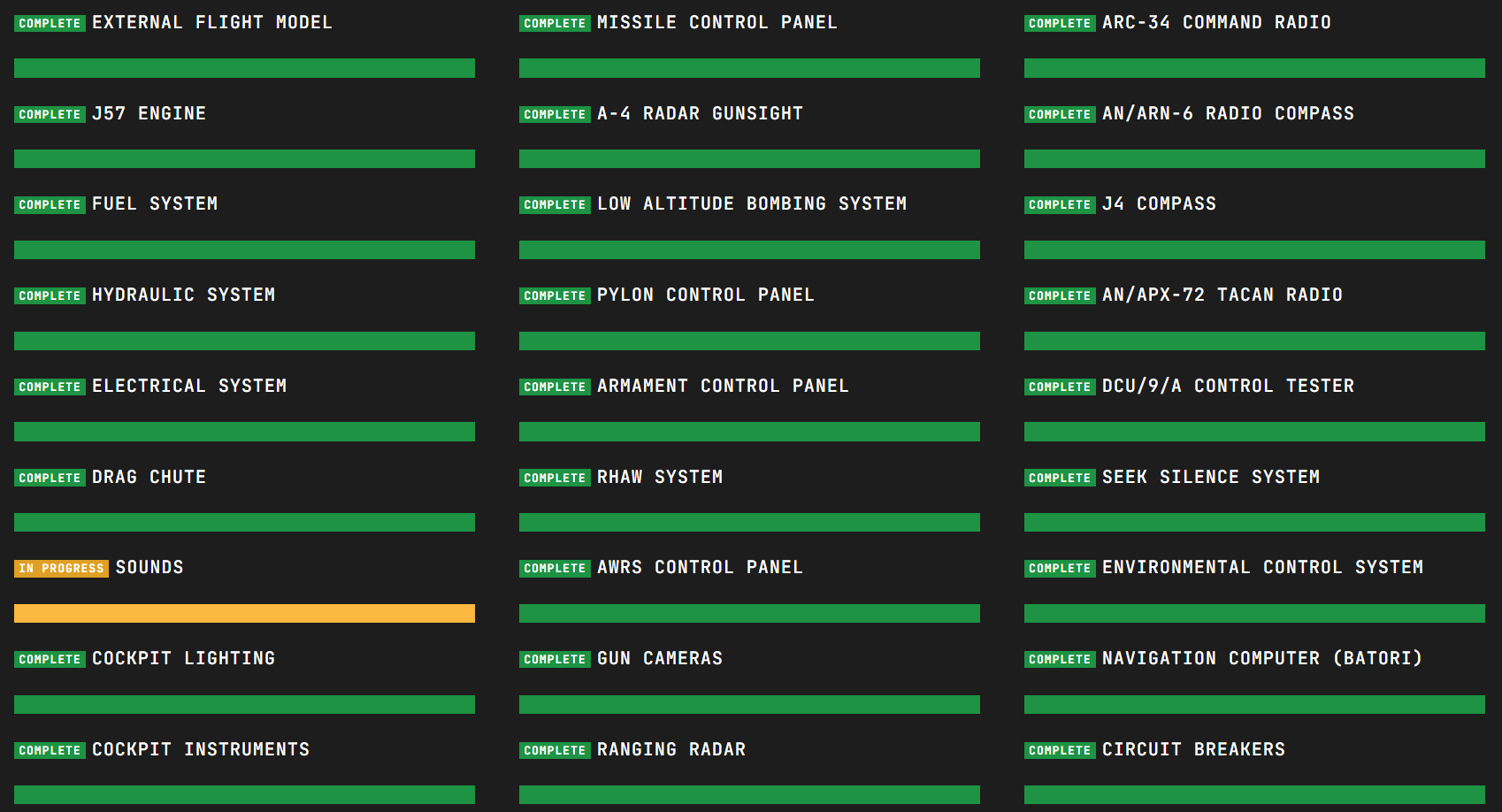
INCOMPLETE SOUNDS? DO NOT BUY RIP OFF!1!!
etc /s
9 Likes
UNPLAYABLE, I BET THEY WANT MONEY FOR IT
3 Likes
Almost the same level of unplayability as when the fan didn’t work in the mi24 …no buy from me
4 Likes
Must Prepare Ritual for Saturday Morning. Clean my desk, make a kickbutt meal, get something to drink that will not impair my ablilty to do the Sabre Dance…
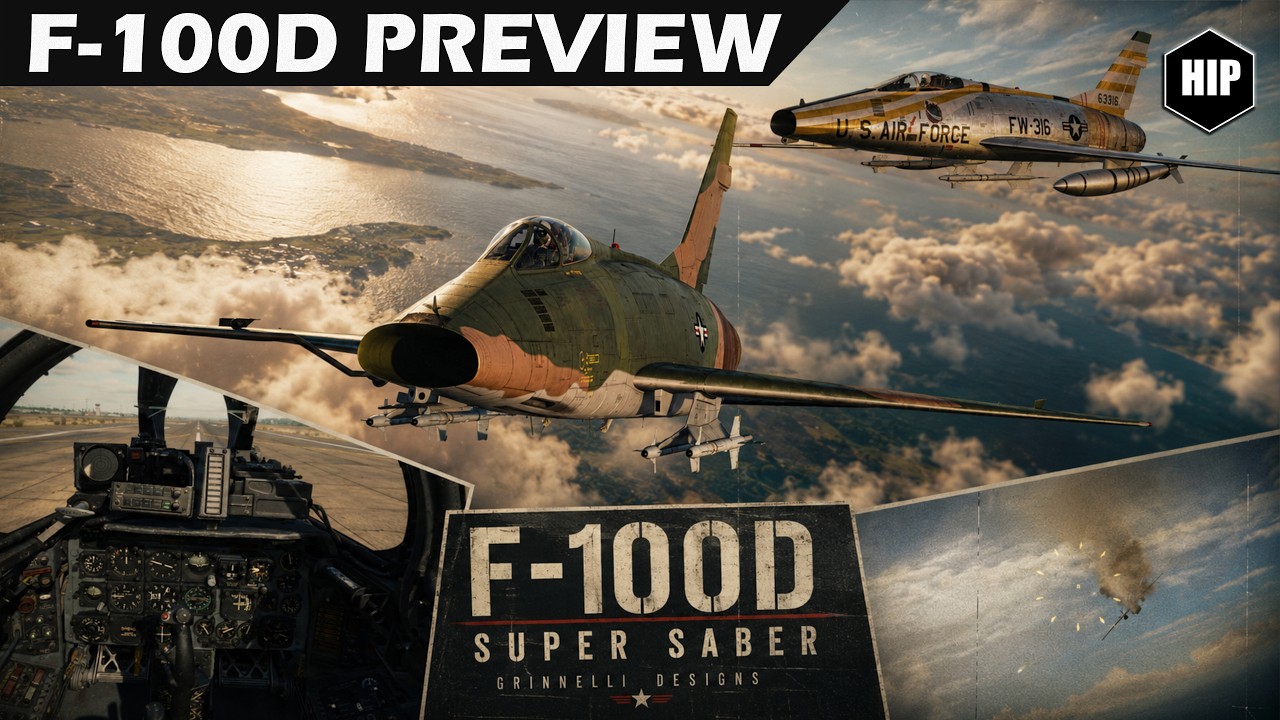
It makes sense that the systems are quite similar to the F-86. Fly the Sabre and youll be familiar w the nav system. Obviously a gen ahead but quite compatible. Its the 50s, so its still using a lot of old tech.
2 Likes
3 Likes
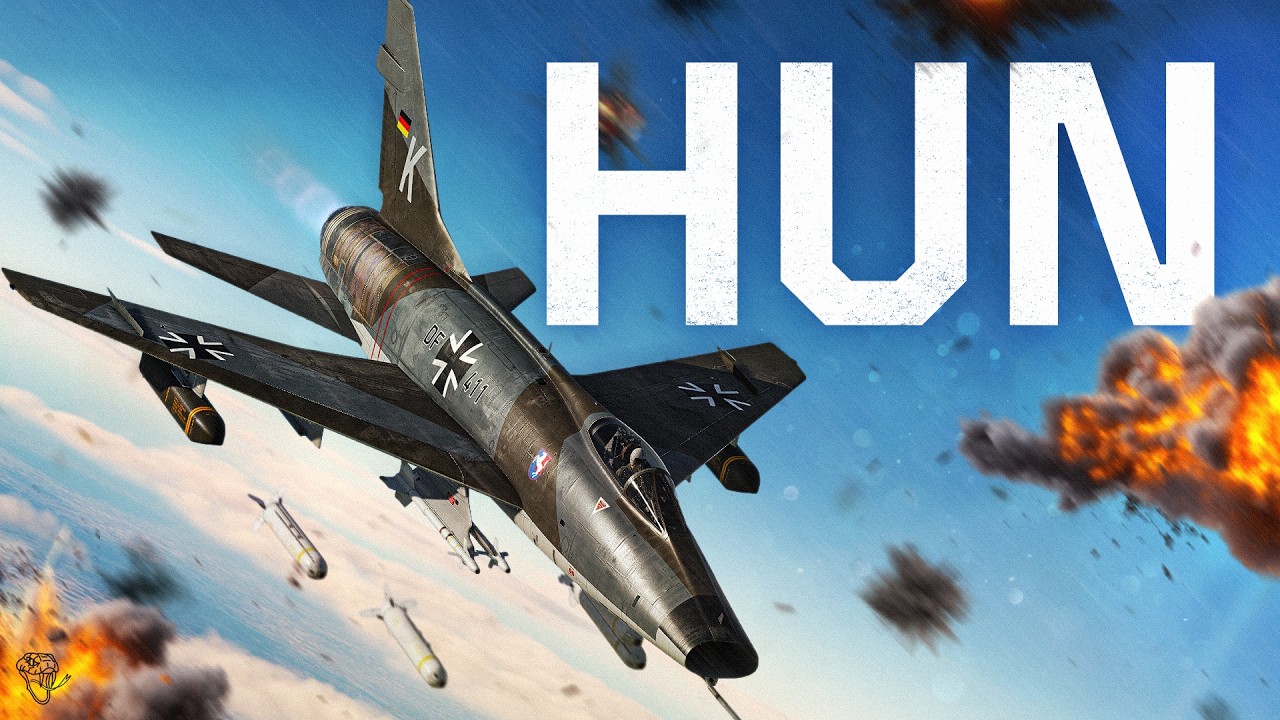
Check out this Sexy Skin…
4 Likes
Yea…Looking at all these Preview vids,I think they really covered a good amount of liveries.
I’m actually getting more and more interested in it now after reading through Wikipedia summaries of its service outside of Vietnam. Invasion of Cyprus, bombing raids in Northern Iraq, plus Danish use might make it a good fit for the Syria and CW Germany maps (We have a couple of Danish airfields now, right?).
3 Likes
That we do. I described the Danish mission profile earlier, here. It sounds fantastic fun on CWG.
They were based at Skrydstrup and Karup, which are JUST off map and really should be on it. Their AO of concern was primarily Northwest Germany and the Baltic.
The main areas of operation for the RDAF F-100s were North West Germany and the Baltic approaches. Initially they divided their time equally between these areas of responsibility, but gradually the focus shifted from attacking targets in the east to defending against Warsaw Pact invasion by sea in the north. The demands of the mission required regular and intense training. The wartime targets of the F-100s ranged from airfields and SAM missile complexes to shipping.
Captain Hans Fenneberg was the weapons officer with Esk 730. He had speciic thoughts about how realistic training should be achieved. In an article entitled Jagerbomberpilot I 1970’erne (Fighter-Bomber Pilot in the 1970s), published in a book commemorating 60 years of the Royal Danish Air Force, he wrote: “My philosophy was ‘train for combat’.
What was expected to happen on a real wartime mission should be accounted for in training: ‘Train hard, fight easy’.
“I argued for more realistic training like, for example, having the correct depression in the sight for the simulated weapon and, since the training missions were flown without actual weapons, all switches in the cockpit should be set up as if there was actual ordnance.”
As part of their training for operations against land-based forces in the east, Hans and his team at Esk 730 came up with a system of mass attack by the F-100s. “In order to satisfactorily attack the enemy’s larger airfields and targets we devised an attack profile using eight to 12 aircraft,” he said. “We practiced this strategy frequently.
We started from an initial point (IP) where we split into two or three lights and lew carefully timed co-ordinated attacks from different directions; using lat, medium and high angles of attack, dropping 48 iron bombs in two minutes. It was good to be the lead in such an attack: pulling up, rolling in, inding a good target; then pulling the trigger at the correct height, speed and dive angle. Then, back home for a debrief, coffee and re-arming for the next sortie.”
At the rear of the formation two of the F-100s, called ‘dogs’, had an air defence role. Armed with cannon and AIM-9 Sidewinders, in addition to two bombs each, they would engage any attacking ighters, thereby enabling the main light to proceed to the target unmolested. Alternatively, the ‘dogs’ would join in the attack and drop their ordnance.
One of the most important exercises in the F-100’s year was the annual weapons training at Oksbøl. During this, the ‘dogs’ of Esk 730 were given a different role. Hans Fenneberg recalled: “On one occasion I got the opportunity to spend a day in the control wagon of a Hawk [Raytheon MIM-23 Hawk] surface-to-air (SAM) missile battery; then afterwards to go out onto the dunes to observe the results of the tactics we had developed against the Doppler-based radars.
“The idea was that the main formation would approach the battery to within shooting range. The ‘dogs’ turned directly toward the battery, maintaining a high speed until they saw a SAM, which I had to simulate by shouting ‘launch’ on the radio.
They then pulled 7G in a 90° turn, flew straight ahead for 10 seconds again, turning hard against the SAMs and into the battery, while the SAMs acquired a Doppler lock. “The lock would be broken when the ‘dogs’ broke perpendicular to the Doppler line-of-sight.
The impotent Hawk battery was then attacked with cannon or folding in rockets; while the other aircraft in the formation pulled up to strike the, now unprotected, main target.”
6 Likes
I’m thinking the early jet bomber interception should be a major challenge. Headon overhead attacks at almost mach 2 closing speeds. In a bird that compressors stalls if you aren’t smooth? Definitely a challenge.
3 Likes
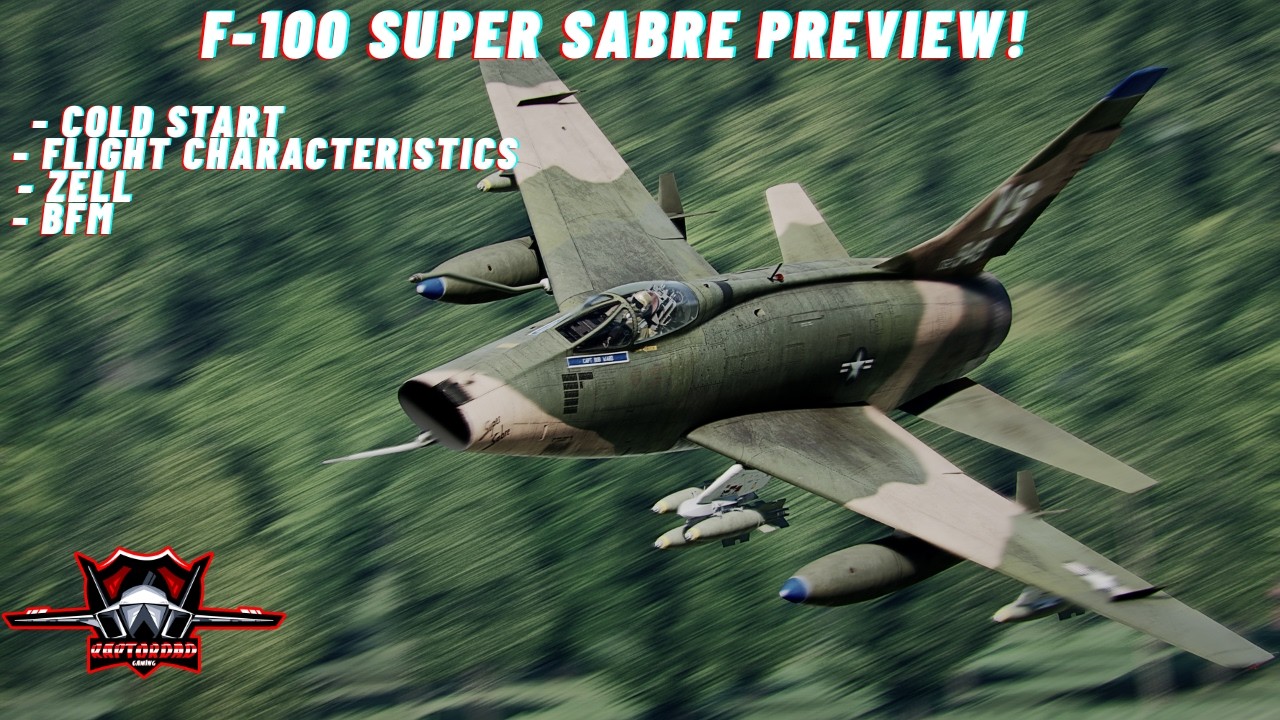
First one to put out an easy to follow Startup. The rest of the video is good as well.
3 Likes
Manual is up:
4 Likes

there should be a live demo of the f100
1 Like
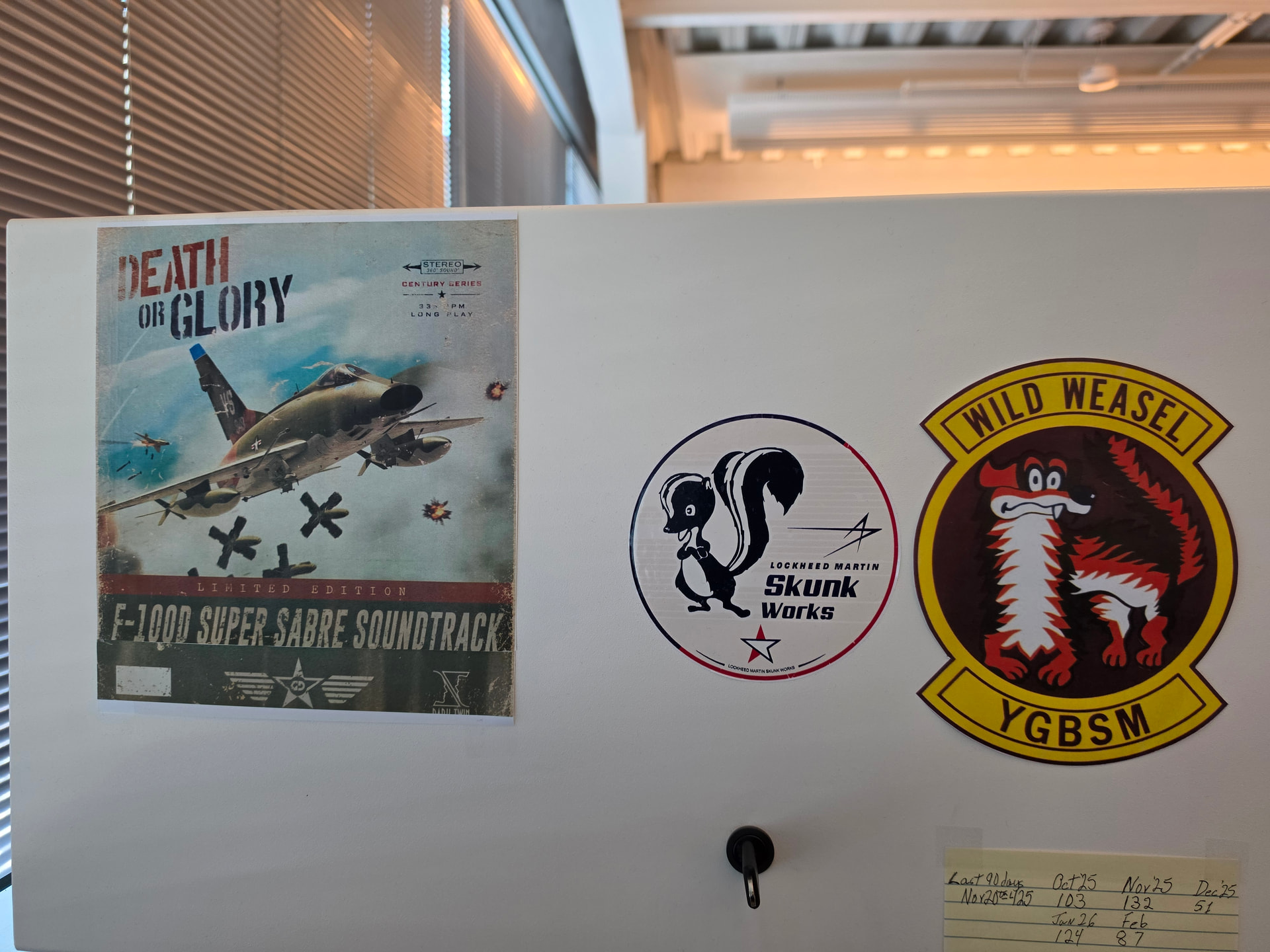
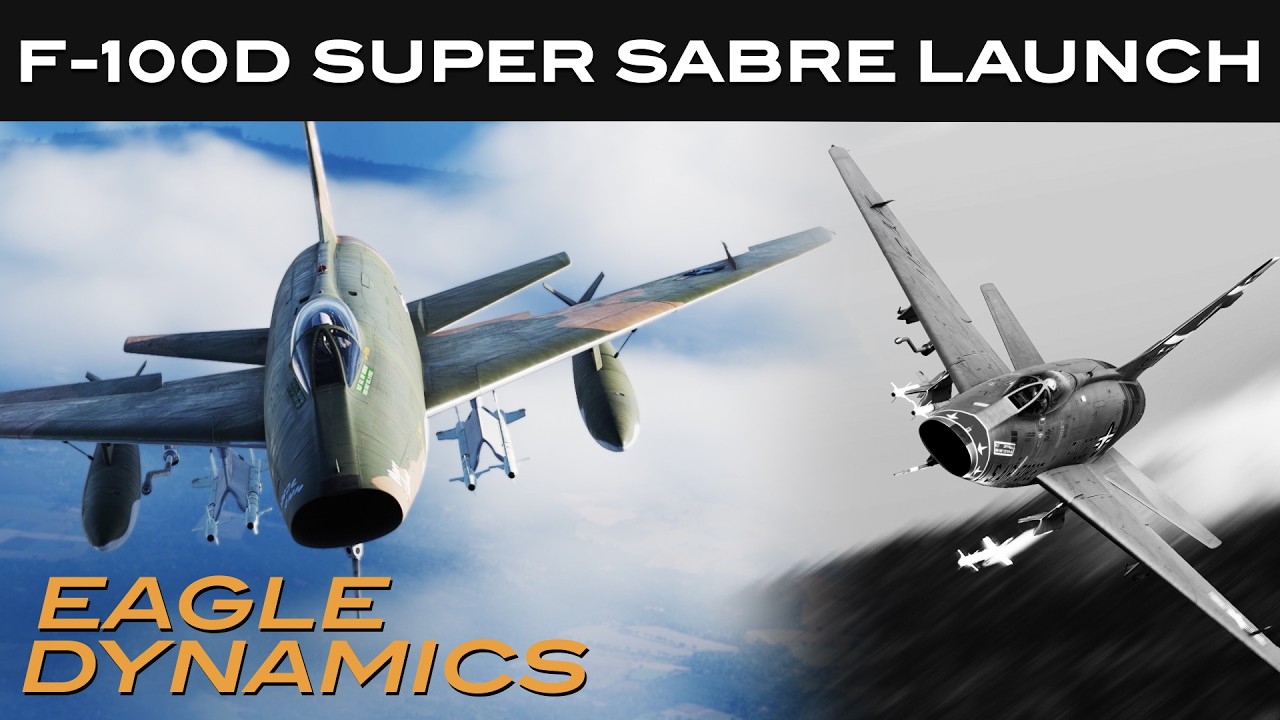
3 Likes