Leg 3: St. John’s International Airport, St. John’s, Newfoundland and Labrador, Canada (CYYT) TO Base Aérea das Lajes, Angra do Heroísmo, Terceira Island, Azores, Portugal (LPLA).
Leg 3. If you’ve been following along, you already know where I’m trying to get to and the obstacles I’ve been having getting there!
If you haven’t, then you probably don’t care anyway! 
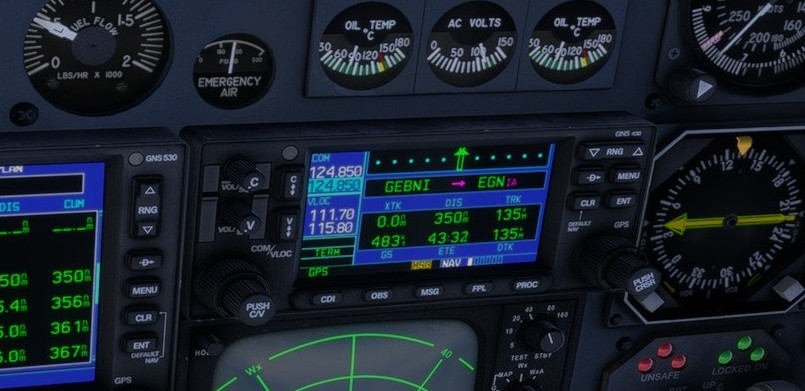
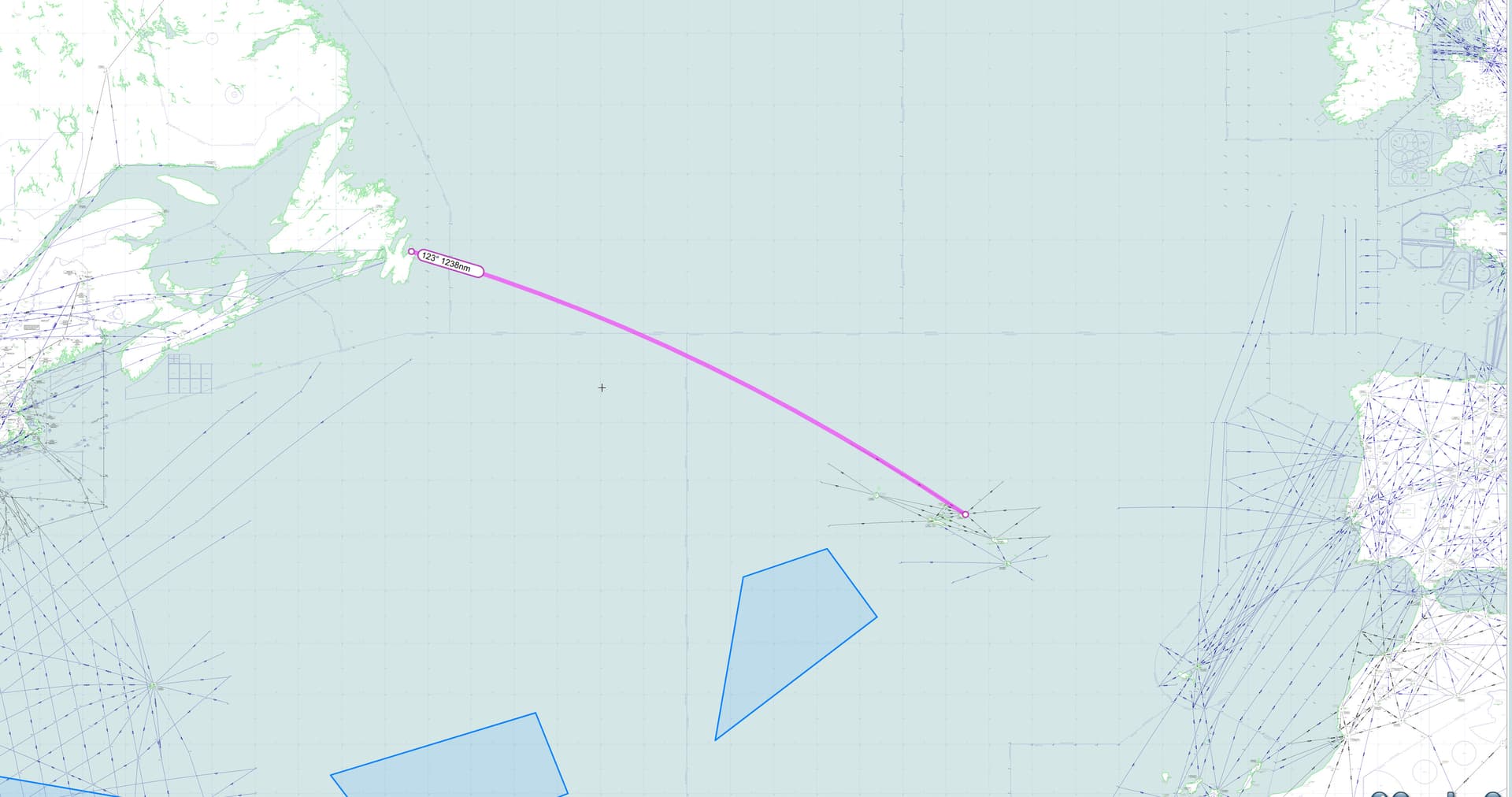
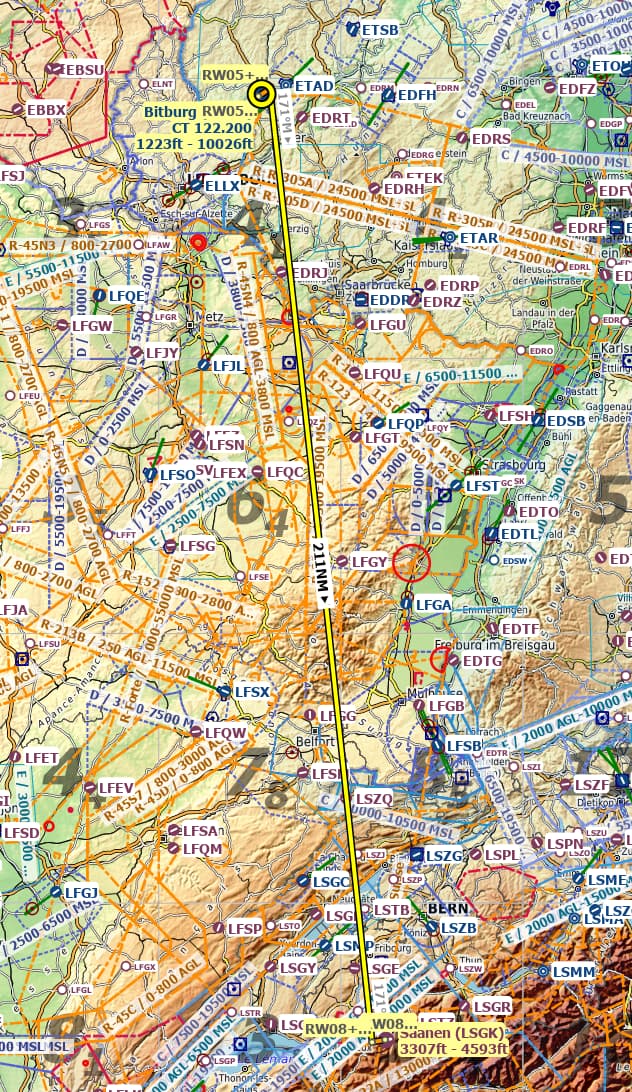
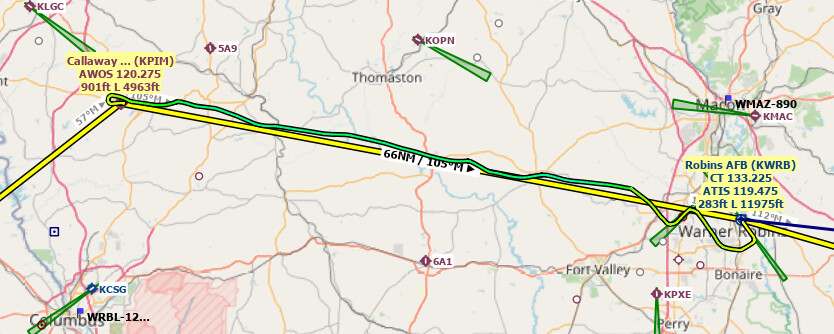
So, here’s the leg. 1238NM as the crow flies:
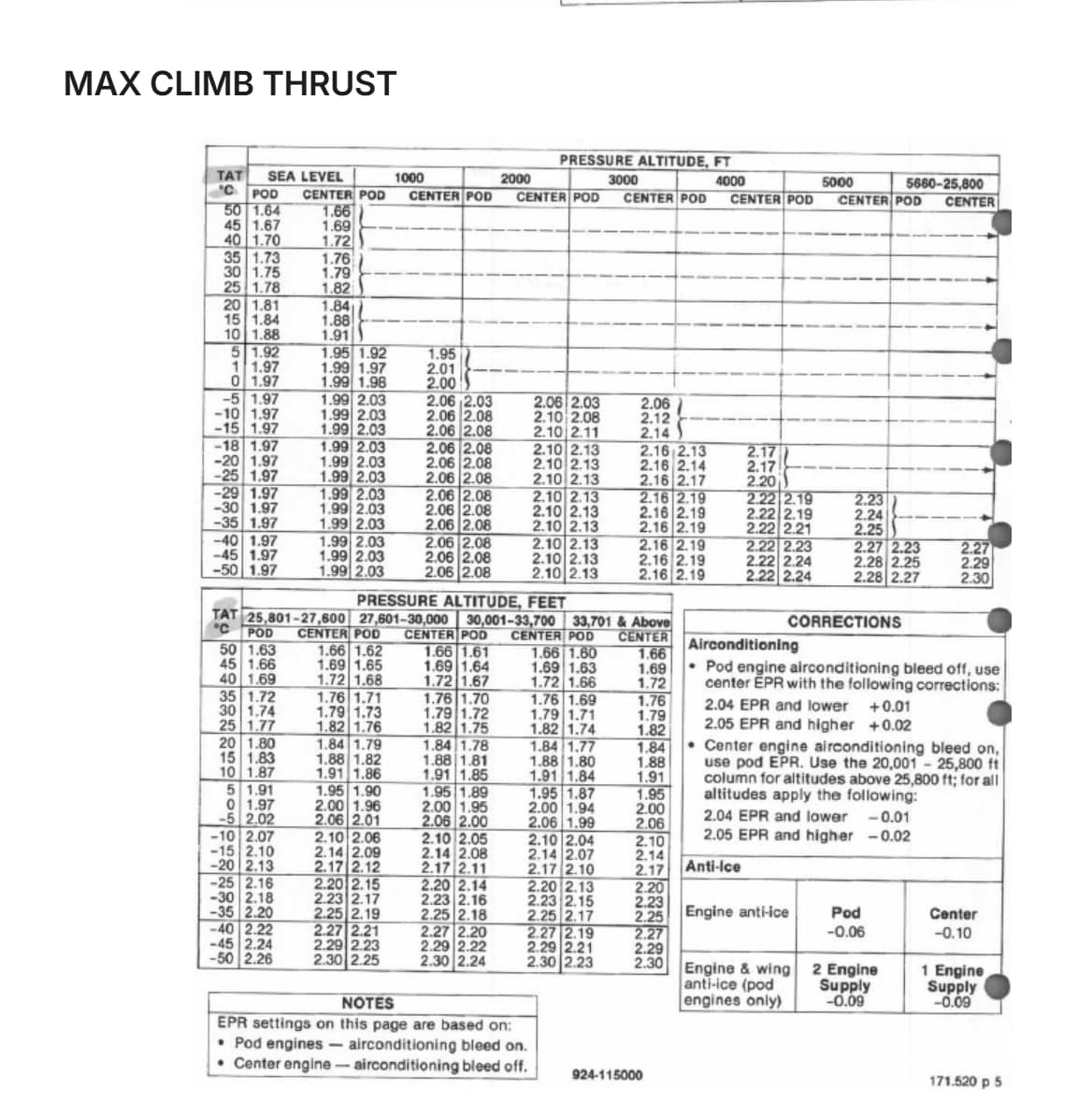
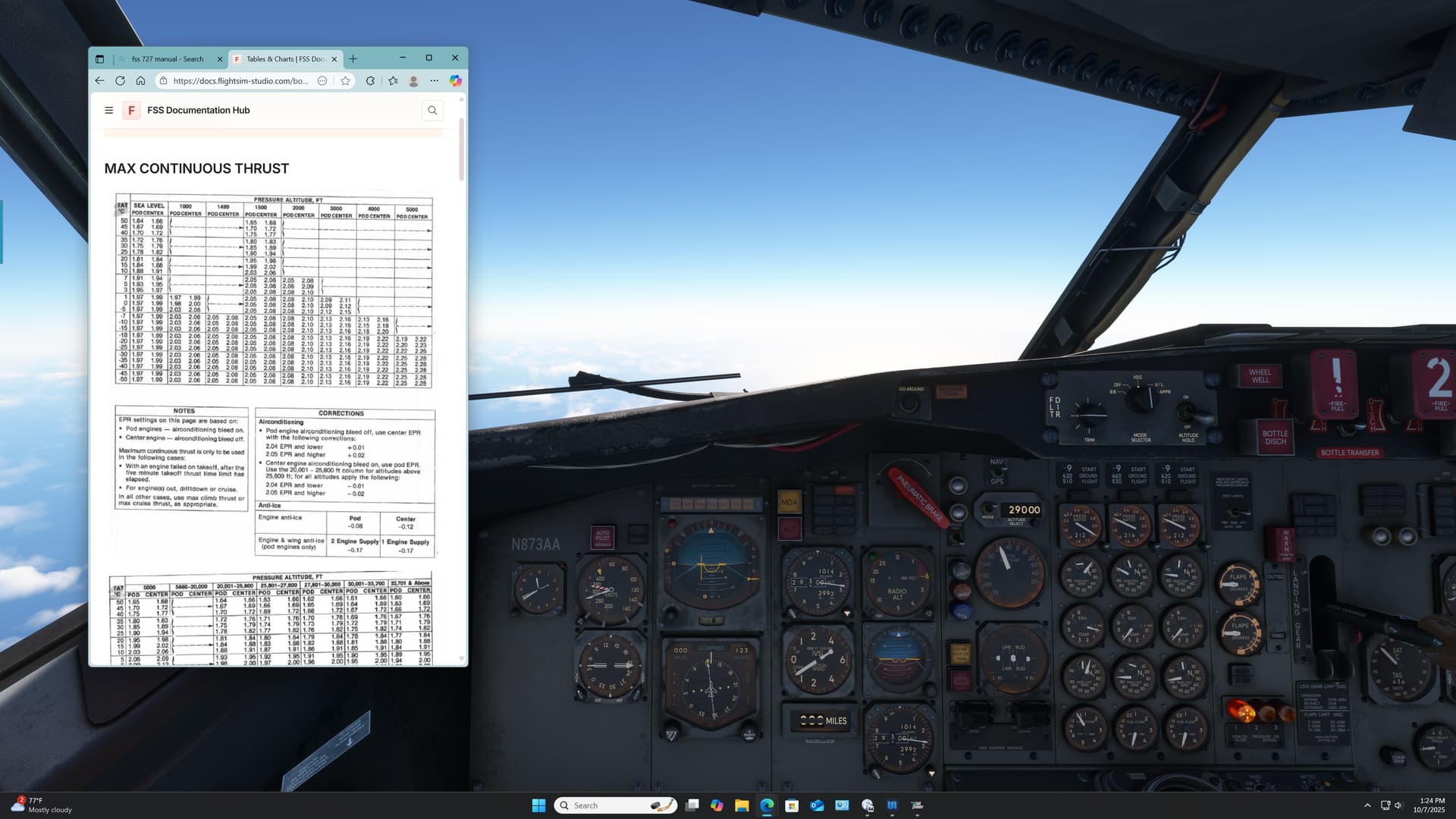
Here’s the chart that I’m going to use to see if I’m just blowing gas out the tail for some reason.
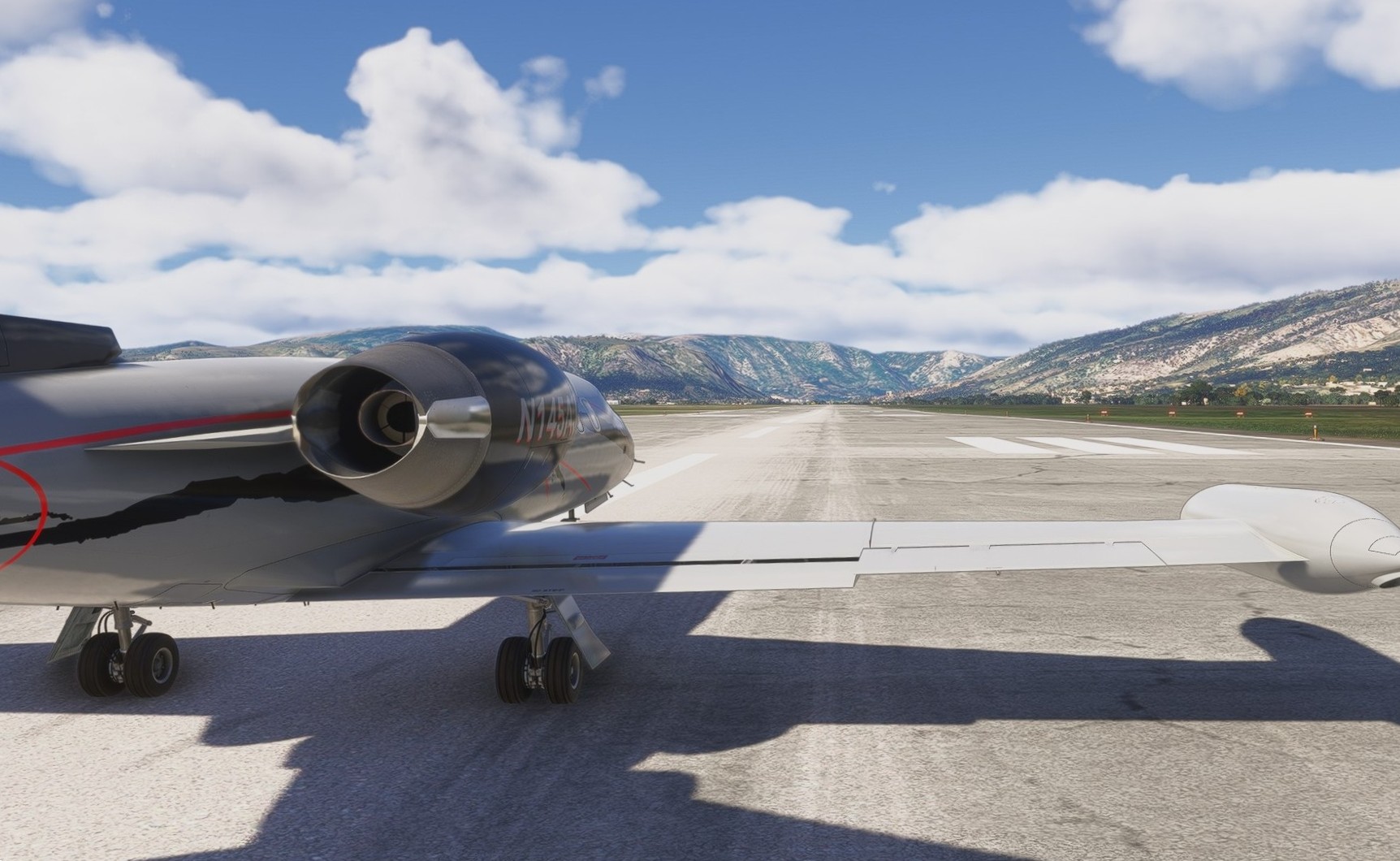
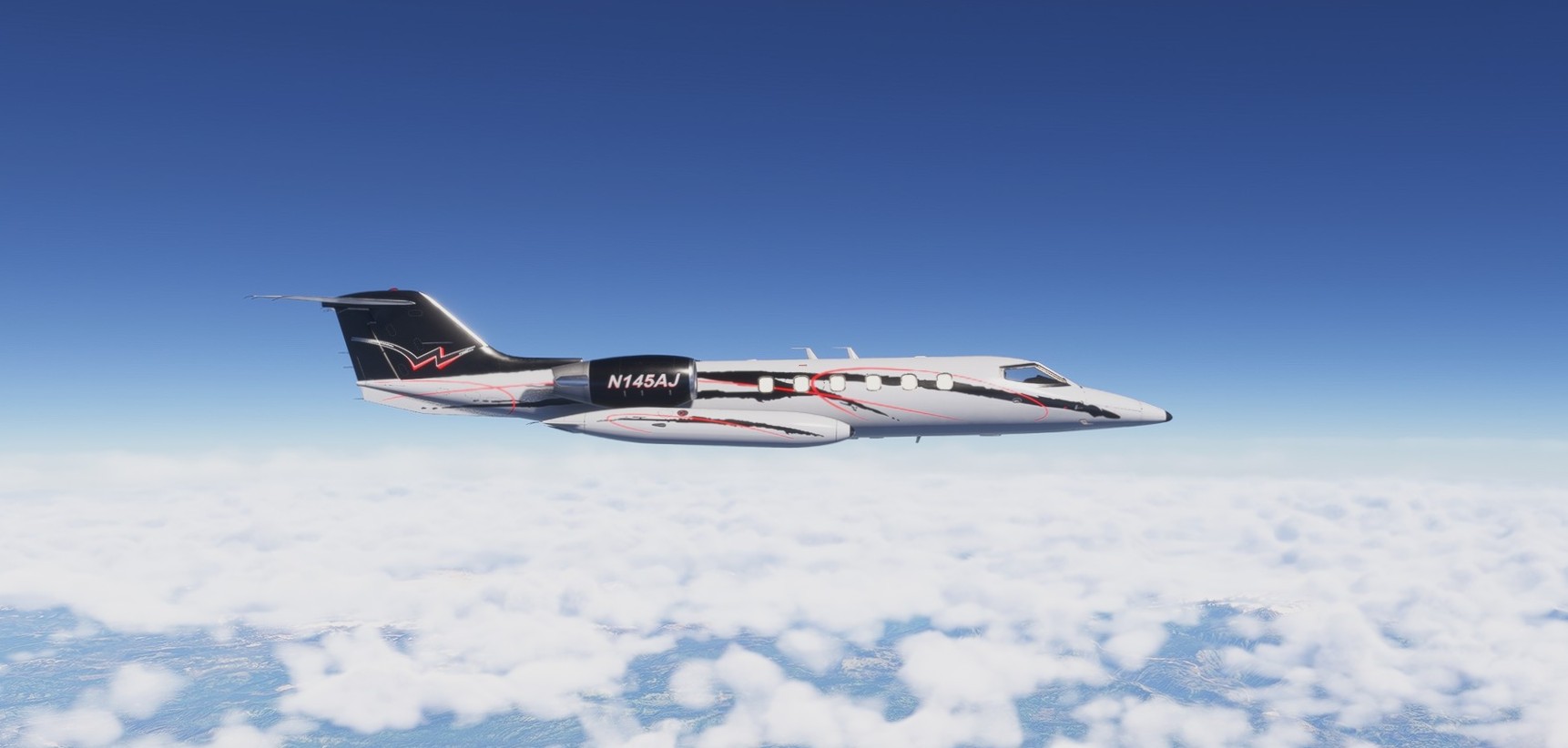
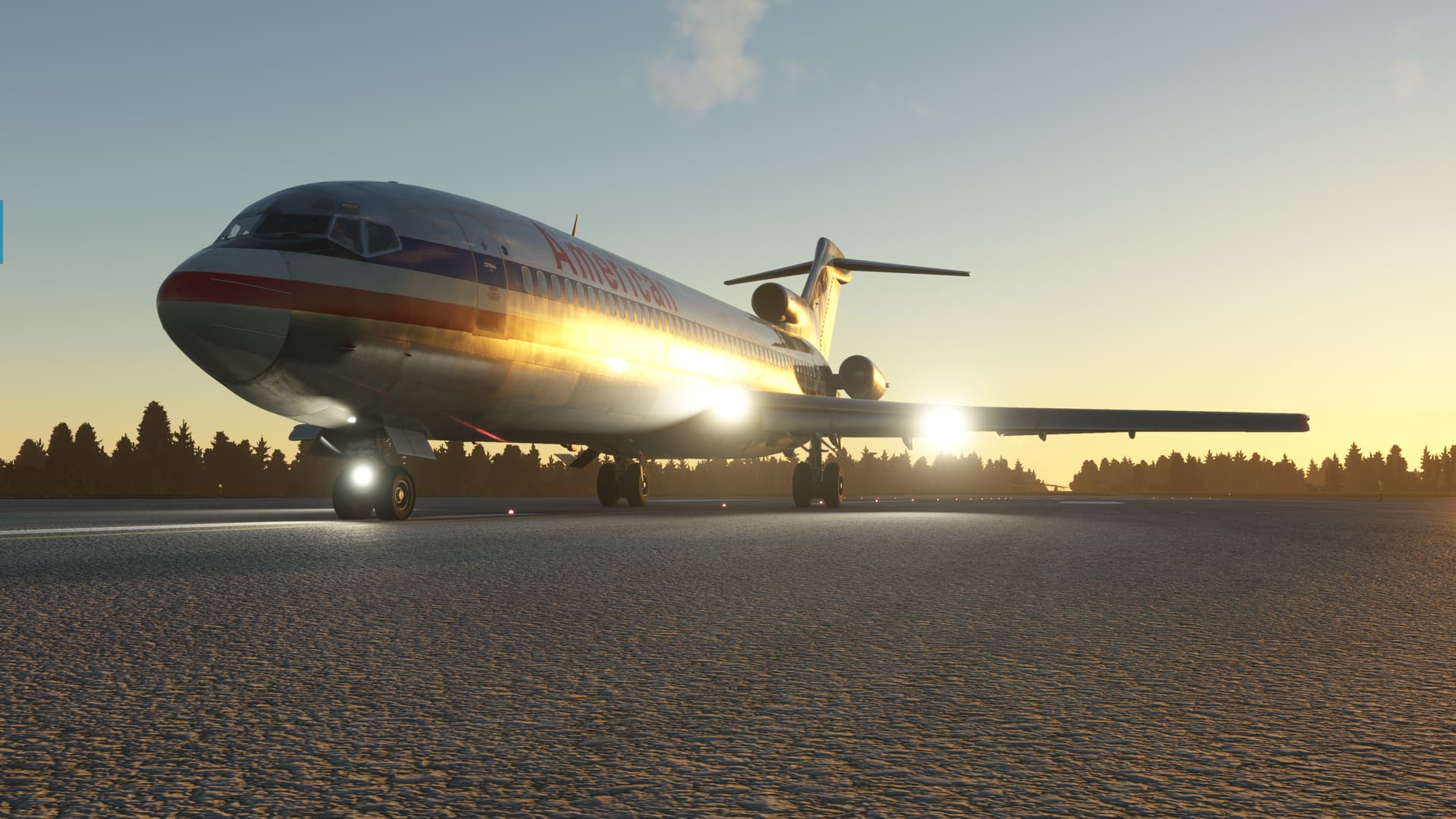
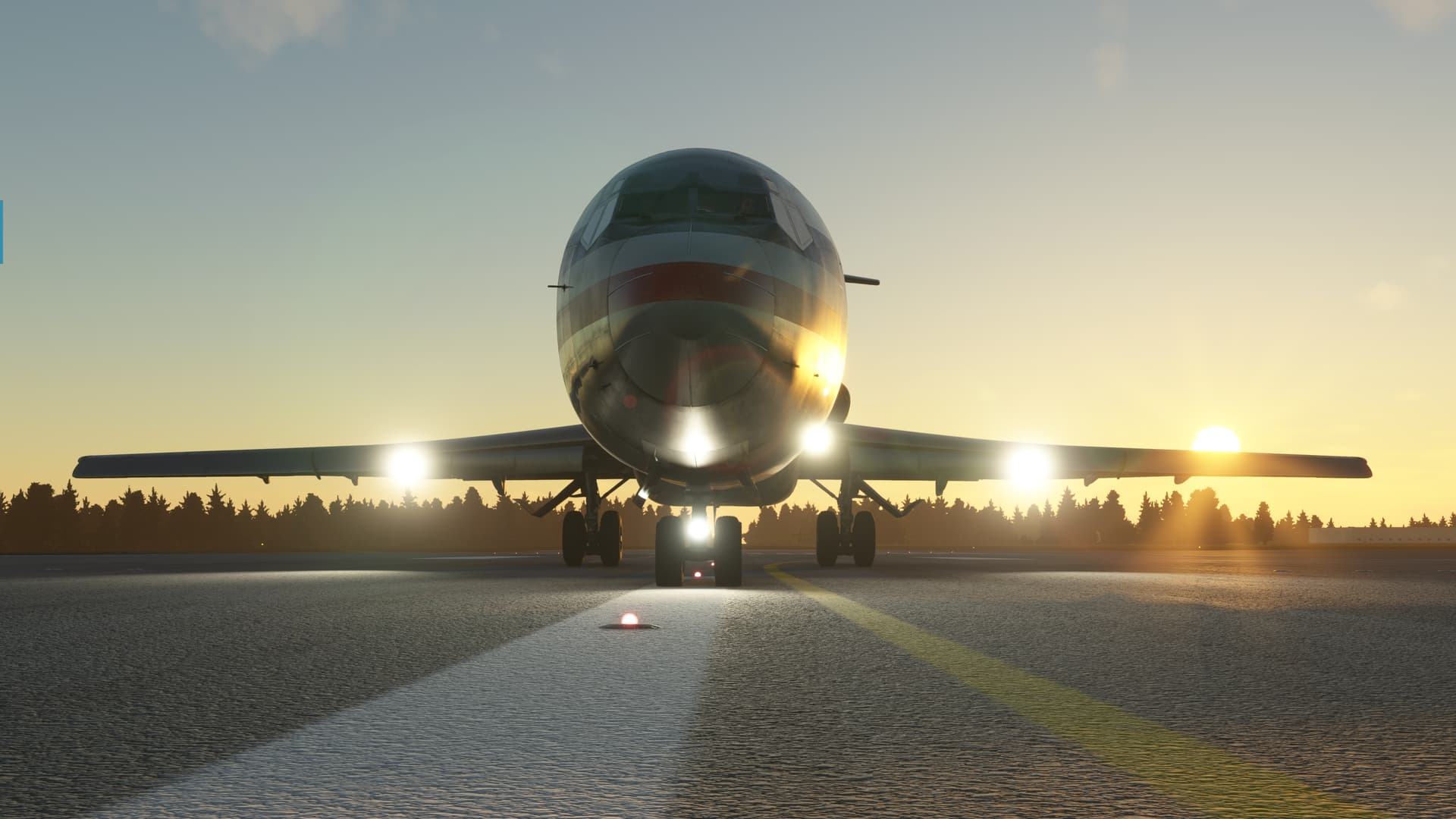
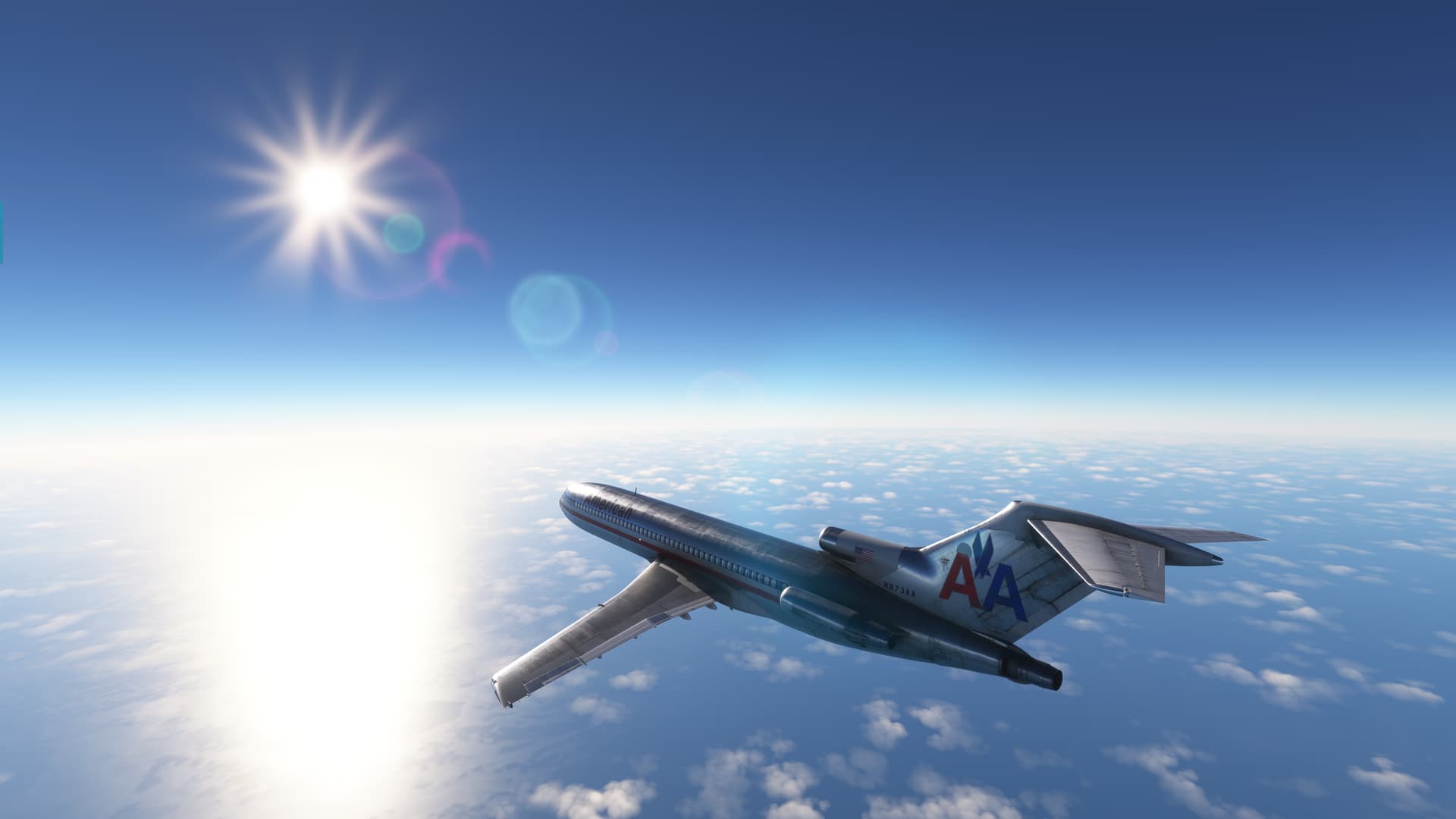
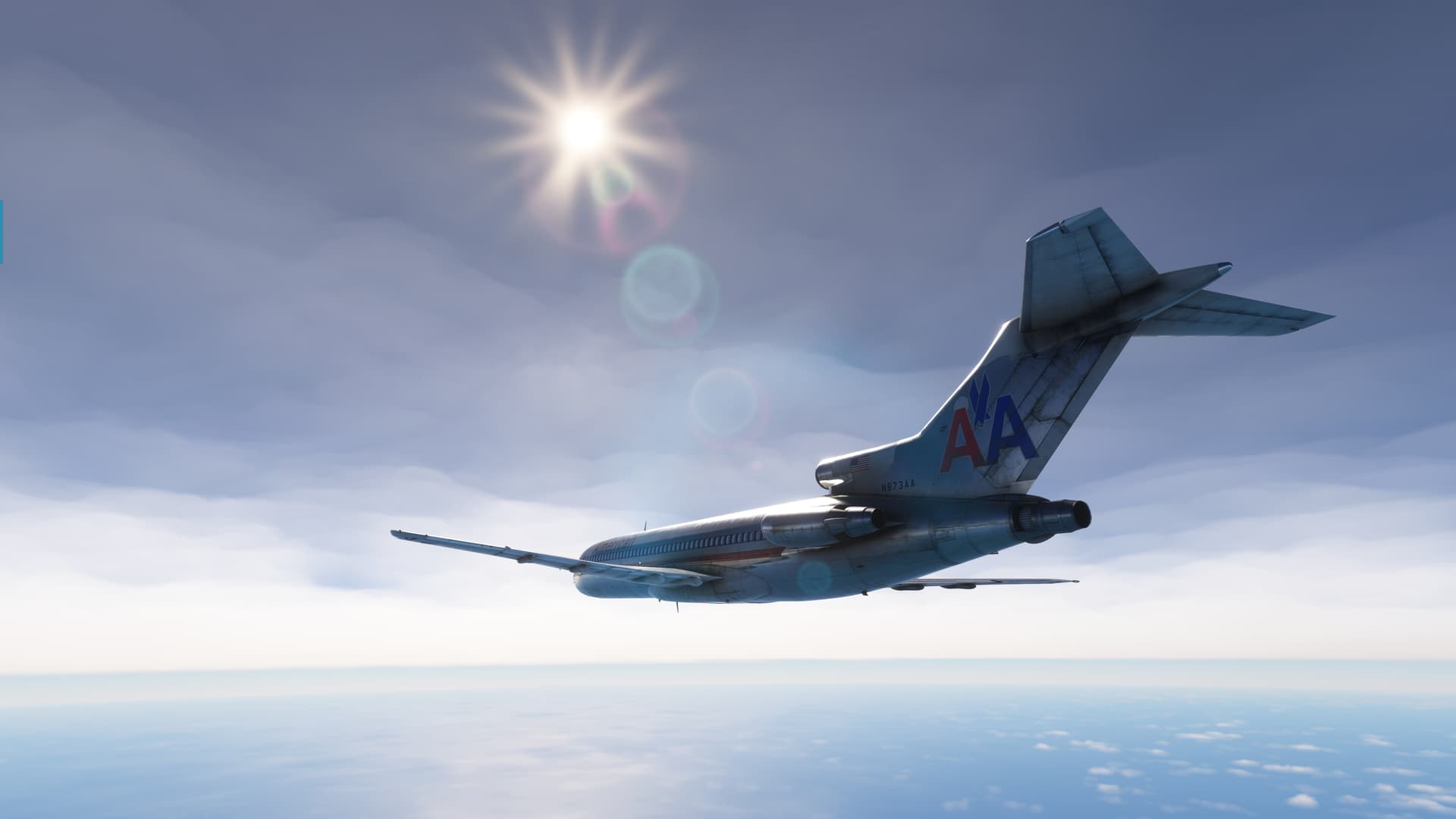
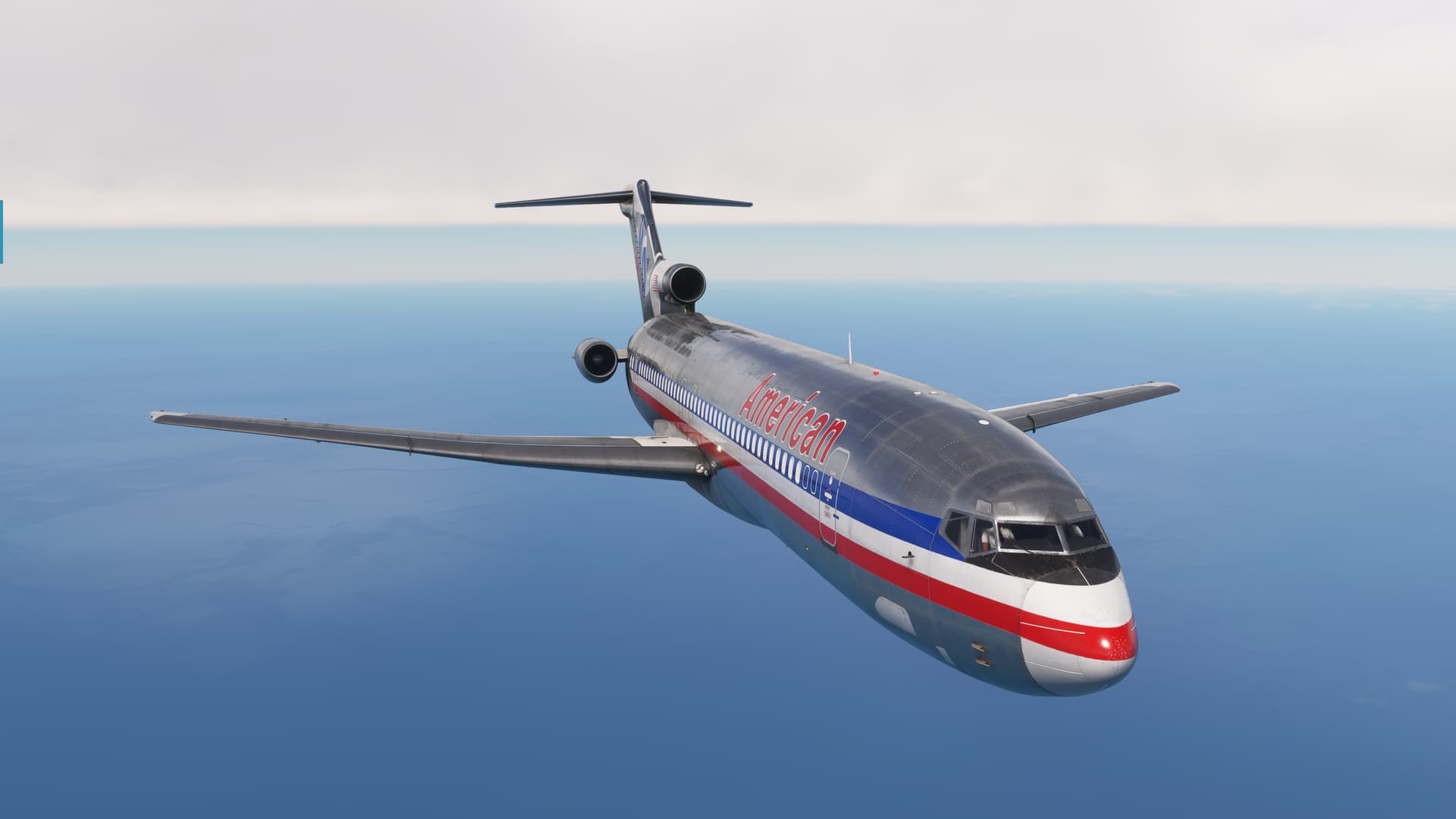
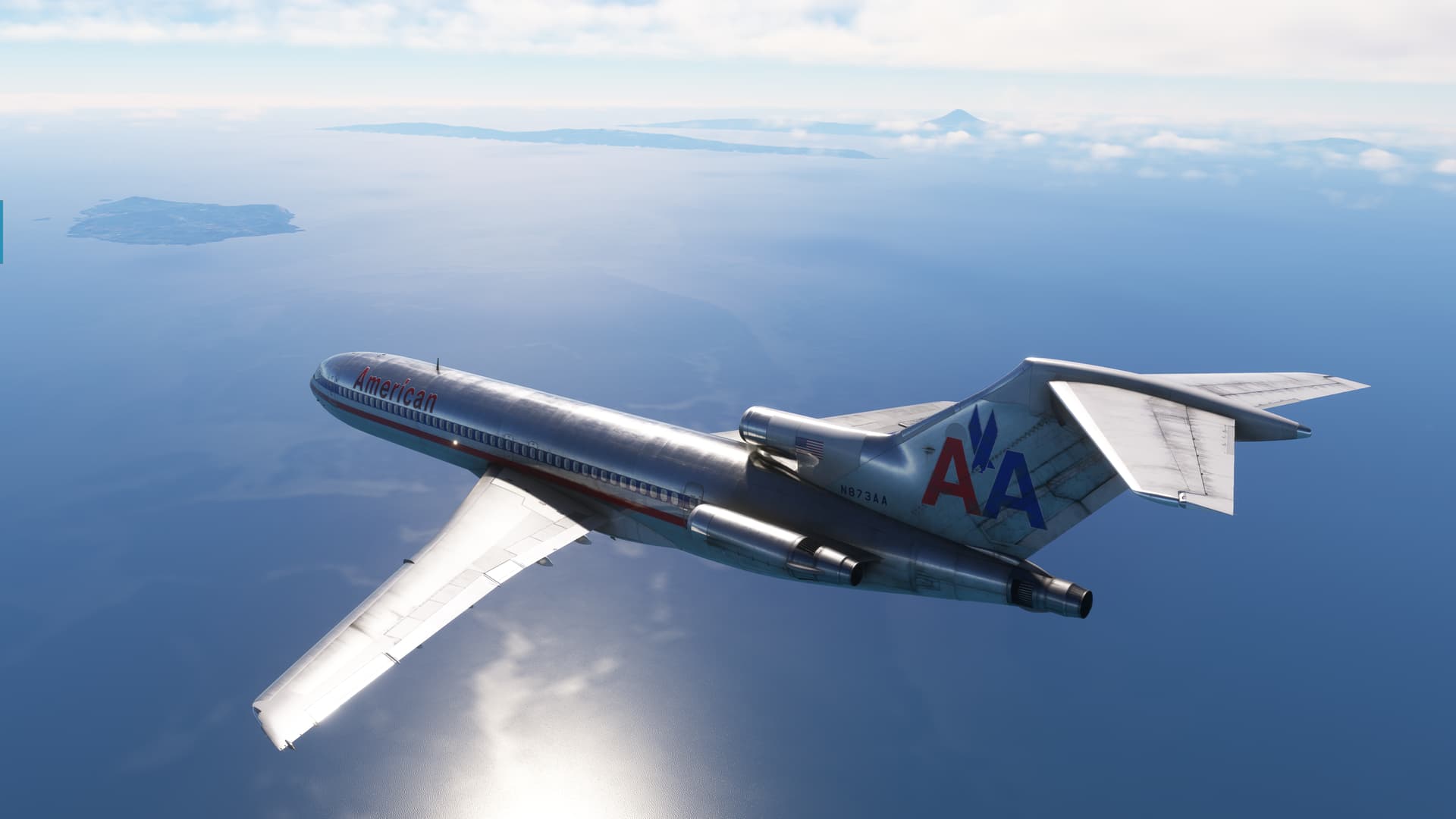
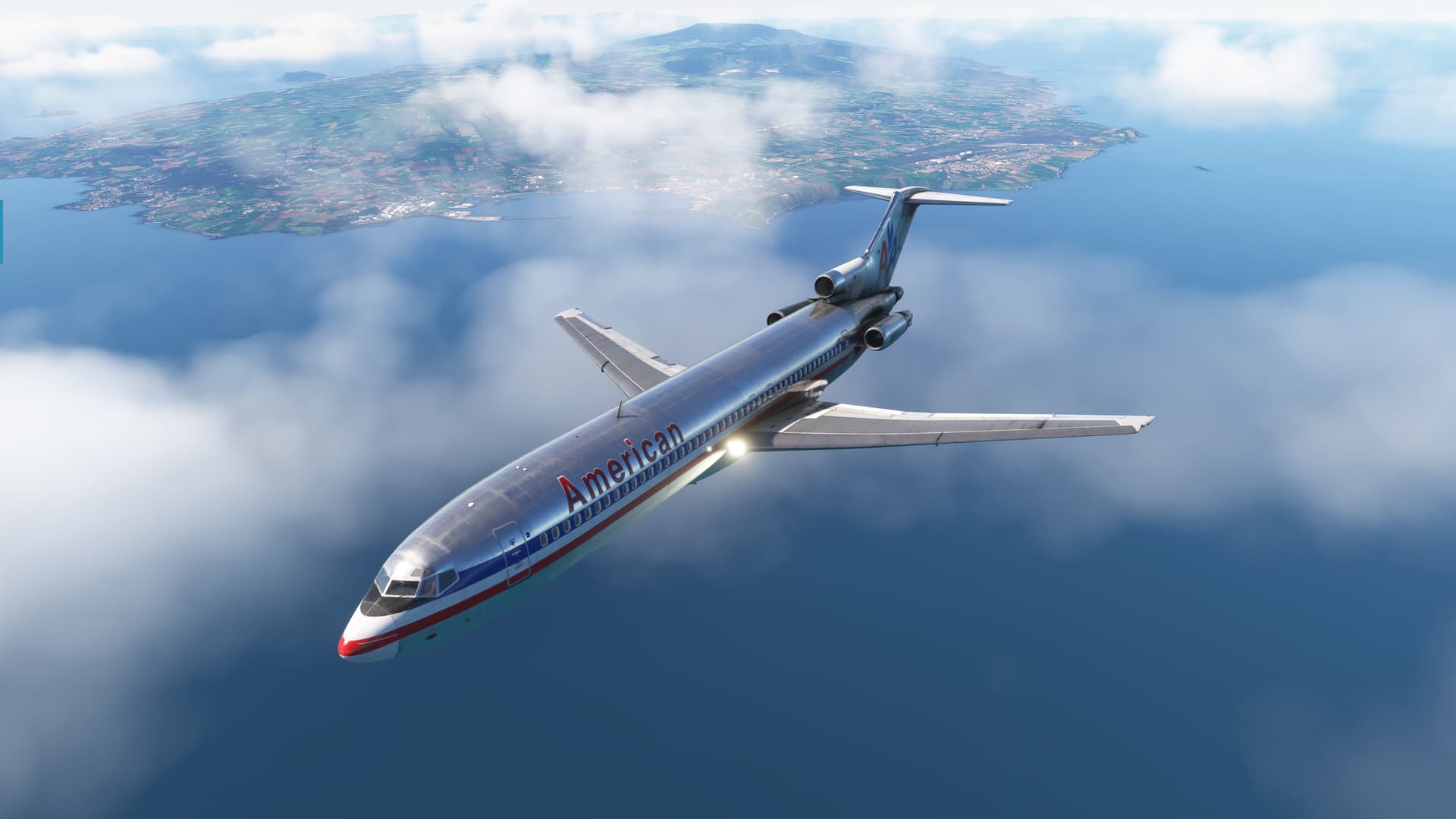
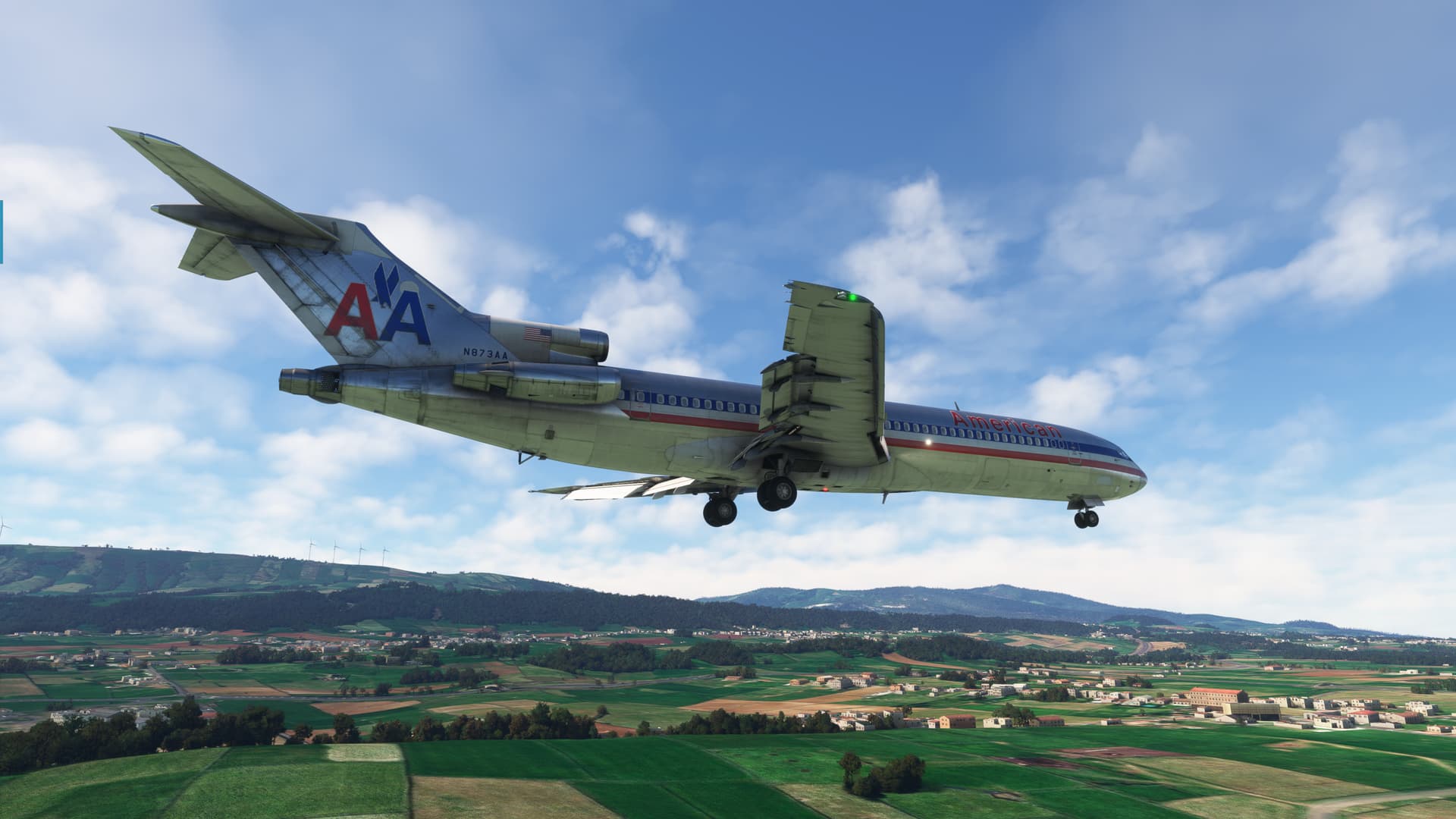
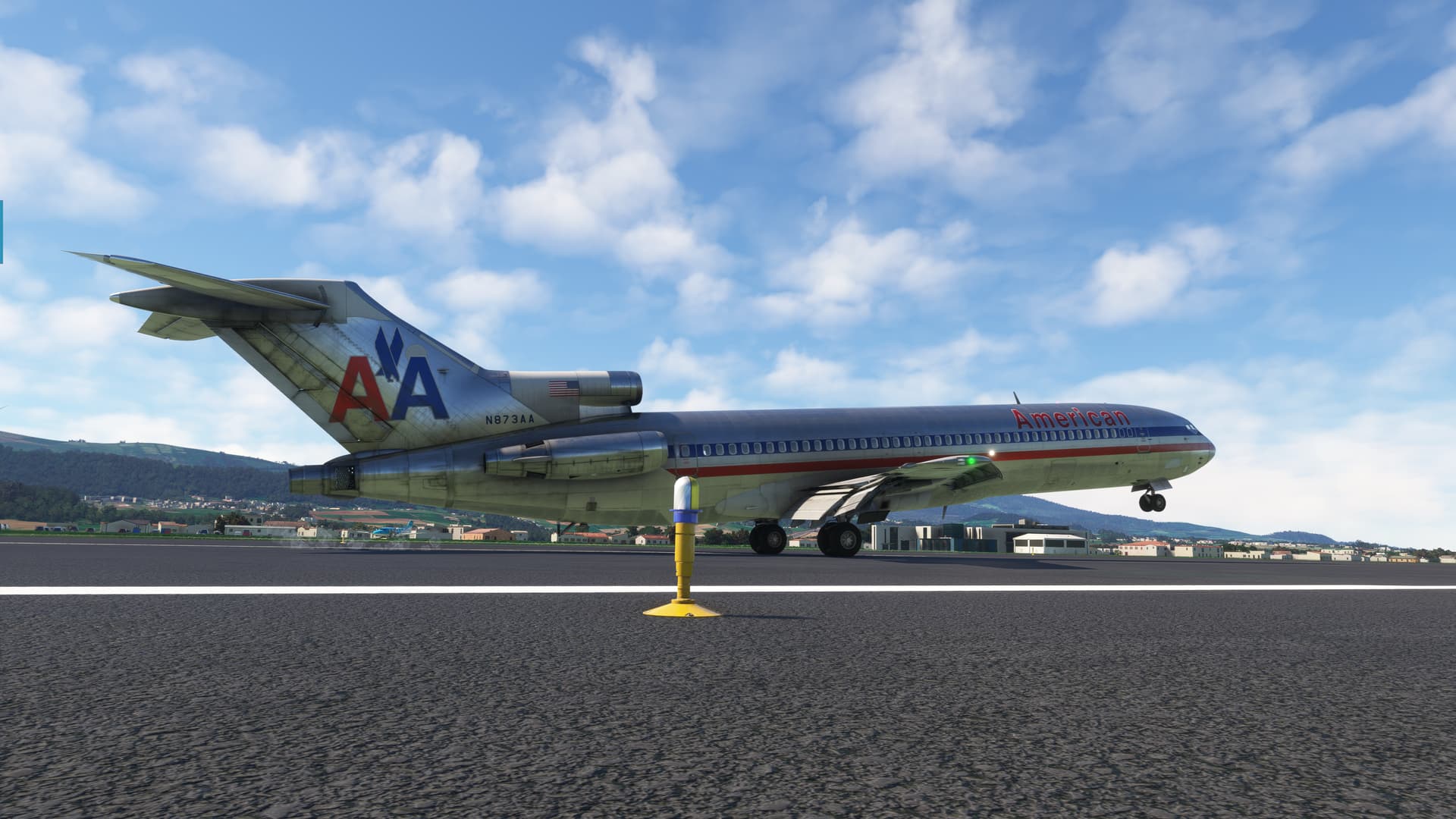
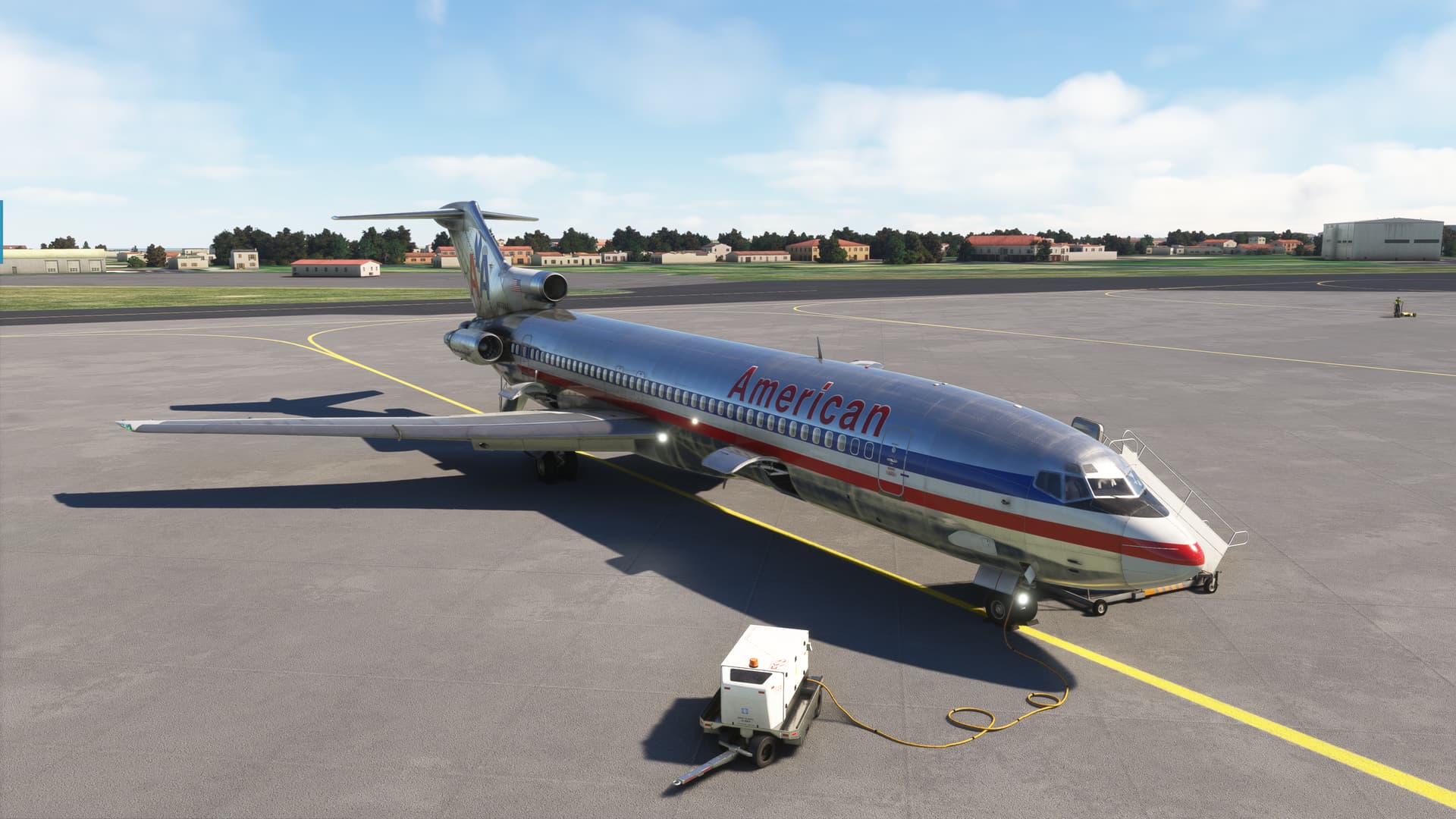
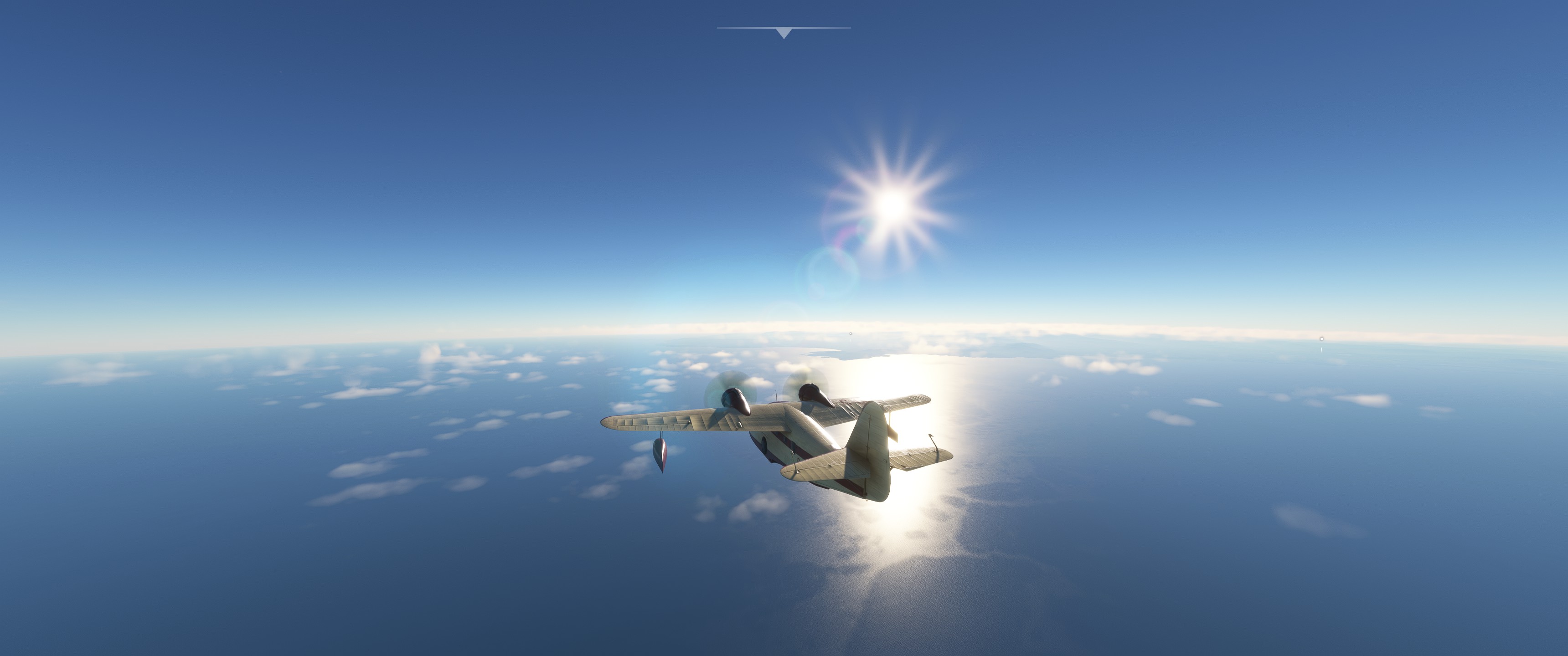
And here’s my mount, by FSCabral.
In the end, or at least the end of the beginning, it appeared that I had solved my problem before I even got started.
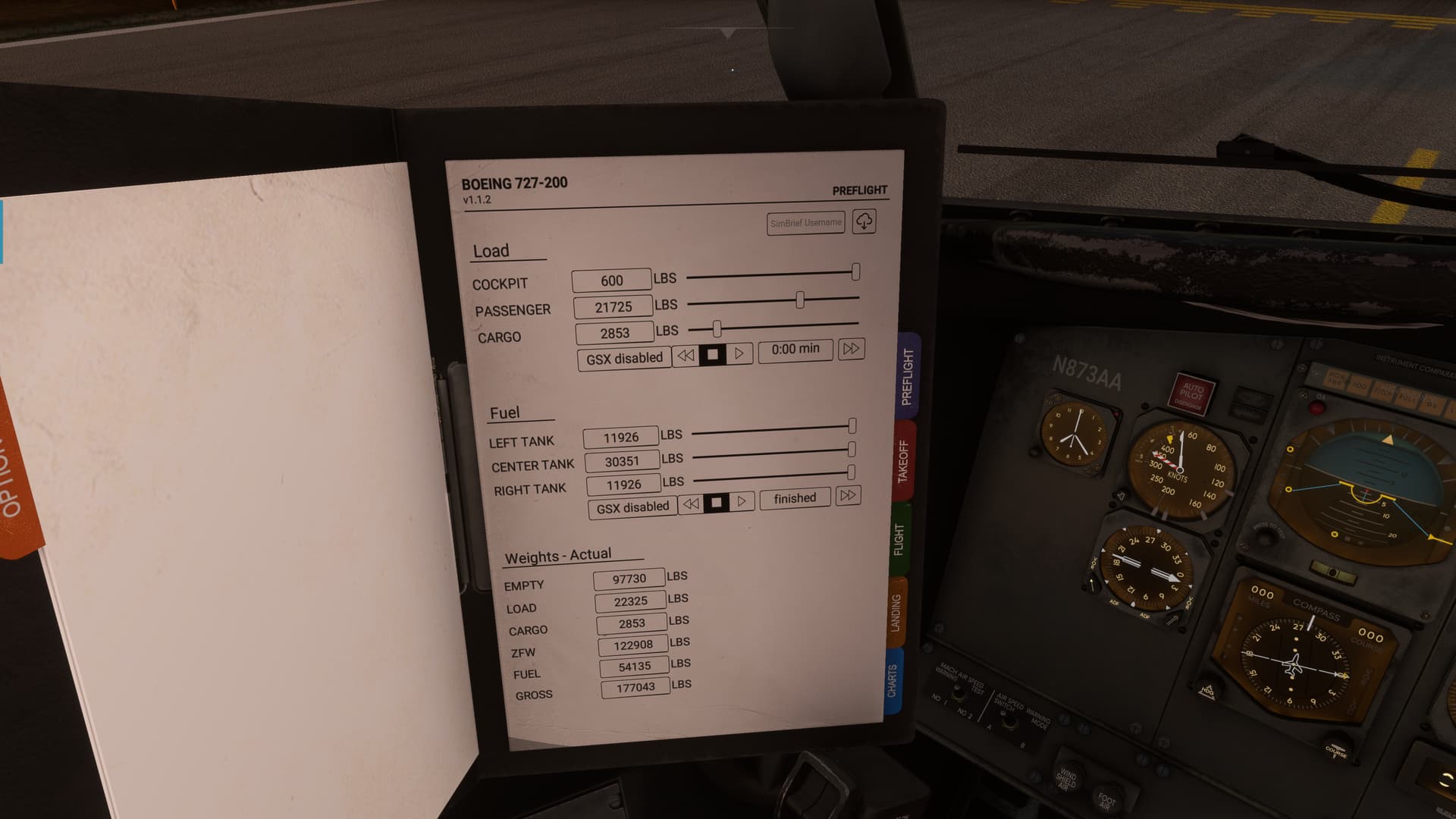
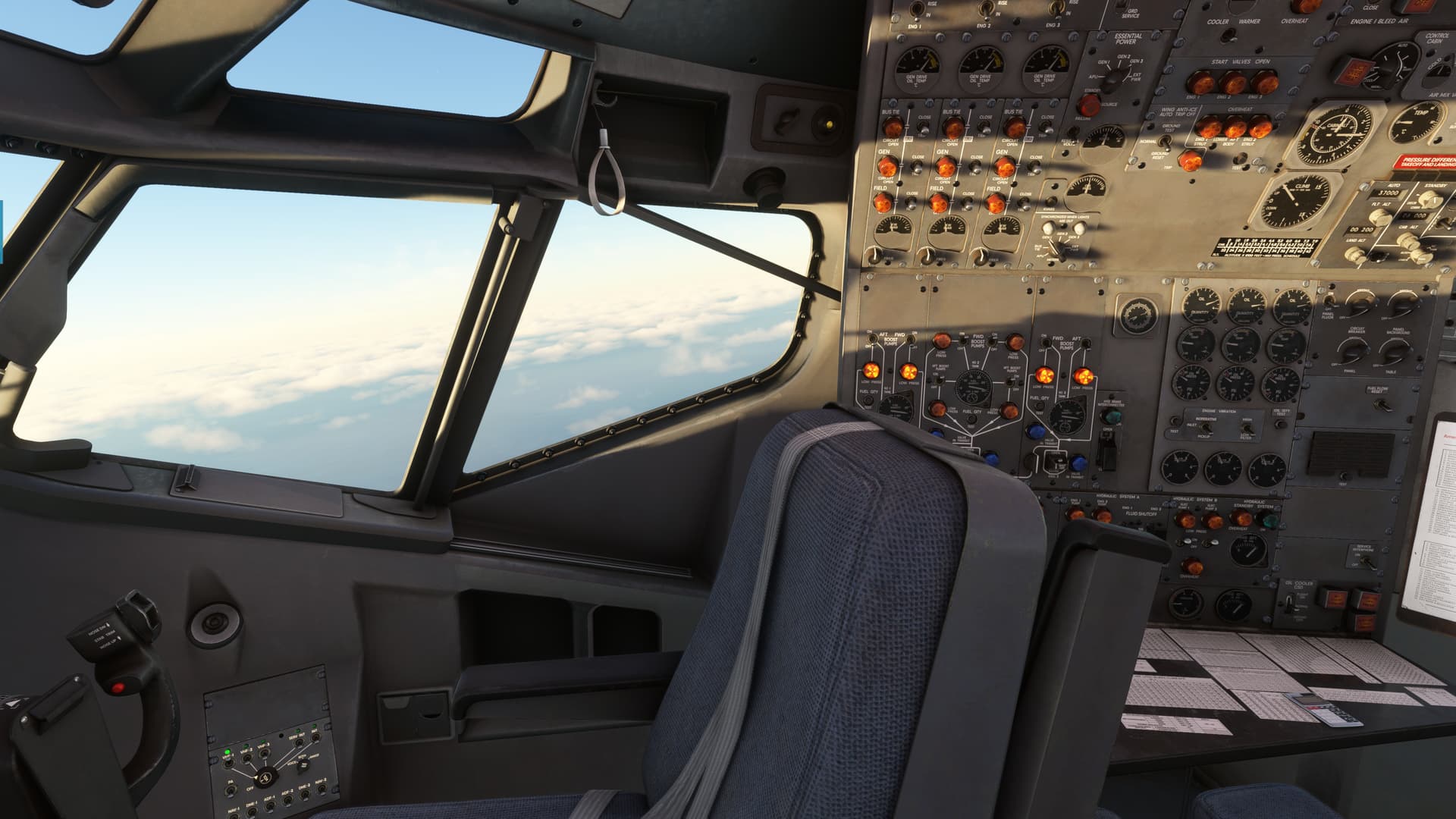
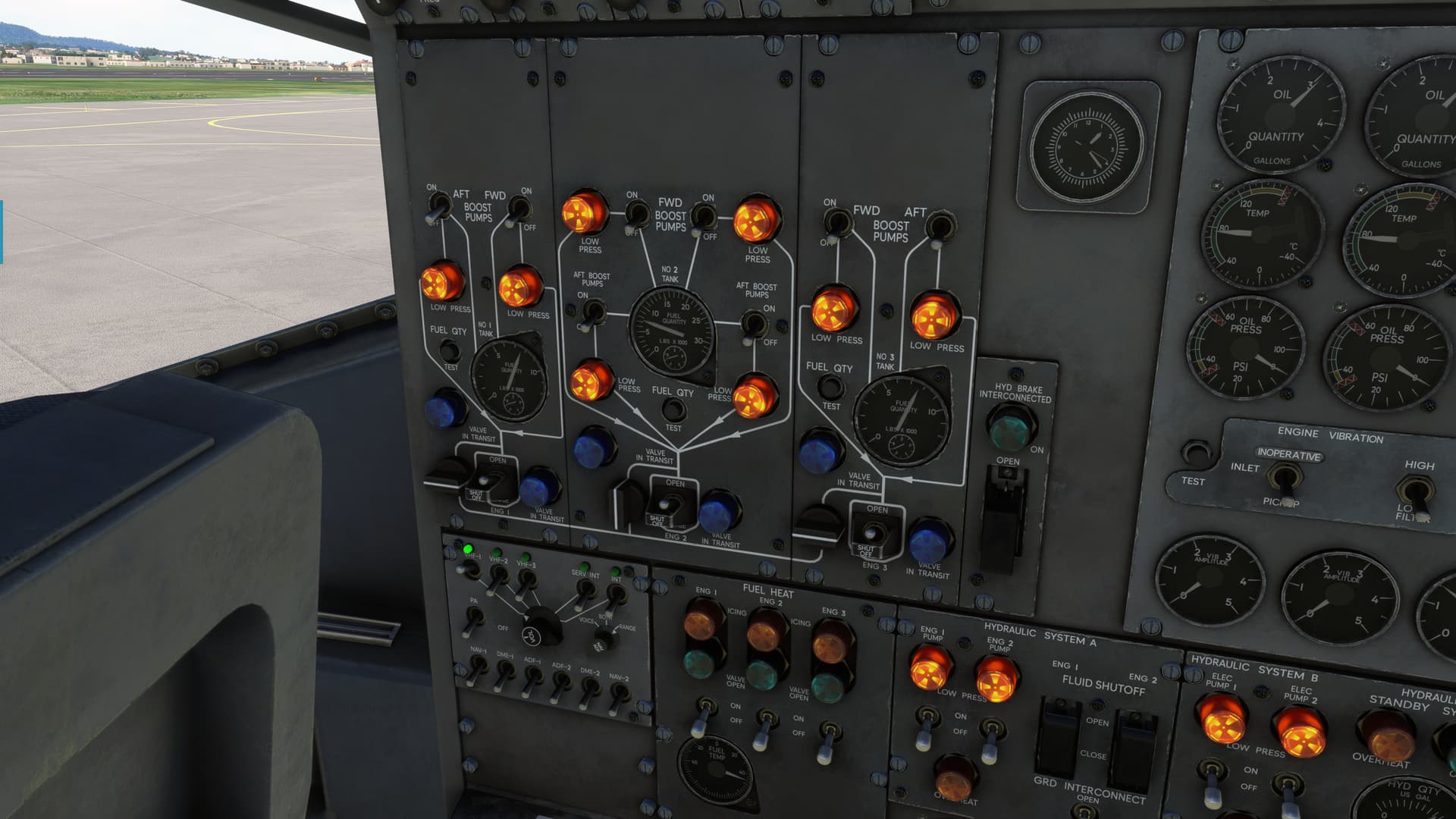
Now that I knew where to find the gas gauges in the 72…and actually checked them before pushback  … I noted something strange. The amount loaded in the weight and balance screen in MSFS and the actual fuel loaded according to the fuel gauges was not the same.
Unfortunately, I didn’t take a “before” screenshot, but these gauges, which are now showing full, were showing considerably less when I first loaded the jet.
In my defense, and filed under the old adage that “it’s impossible to build anything that is foolproof…as fools are so ingenious”, I had loaded and cross checked the fuel state by reference to the retro, pseudo EFB thingy™.
But, in a fit of generous thoroughness, FSS had gone through the trouble of integrating both GSX and real time fuel loading into the 72…neither feature being one I ever use.
So, adjusting the FUEL tab sliders isn’t so much “setting” the fuel as it is “requesting” the fuel. Which you must choose to load yourself.
And of course, having assumed that the fuel sliders worked exactly the same as those in MSFS, I didn’t check the fuel gauges. Because, when are they ever NOT reflective of your actual fuel state…
…um, other than now. Yeah, when except for now? 
So, with this mystery finally solved, it looked like the rest of this trip would be anticlimactic.
Spoiler: It would not be anticlimactic!
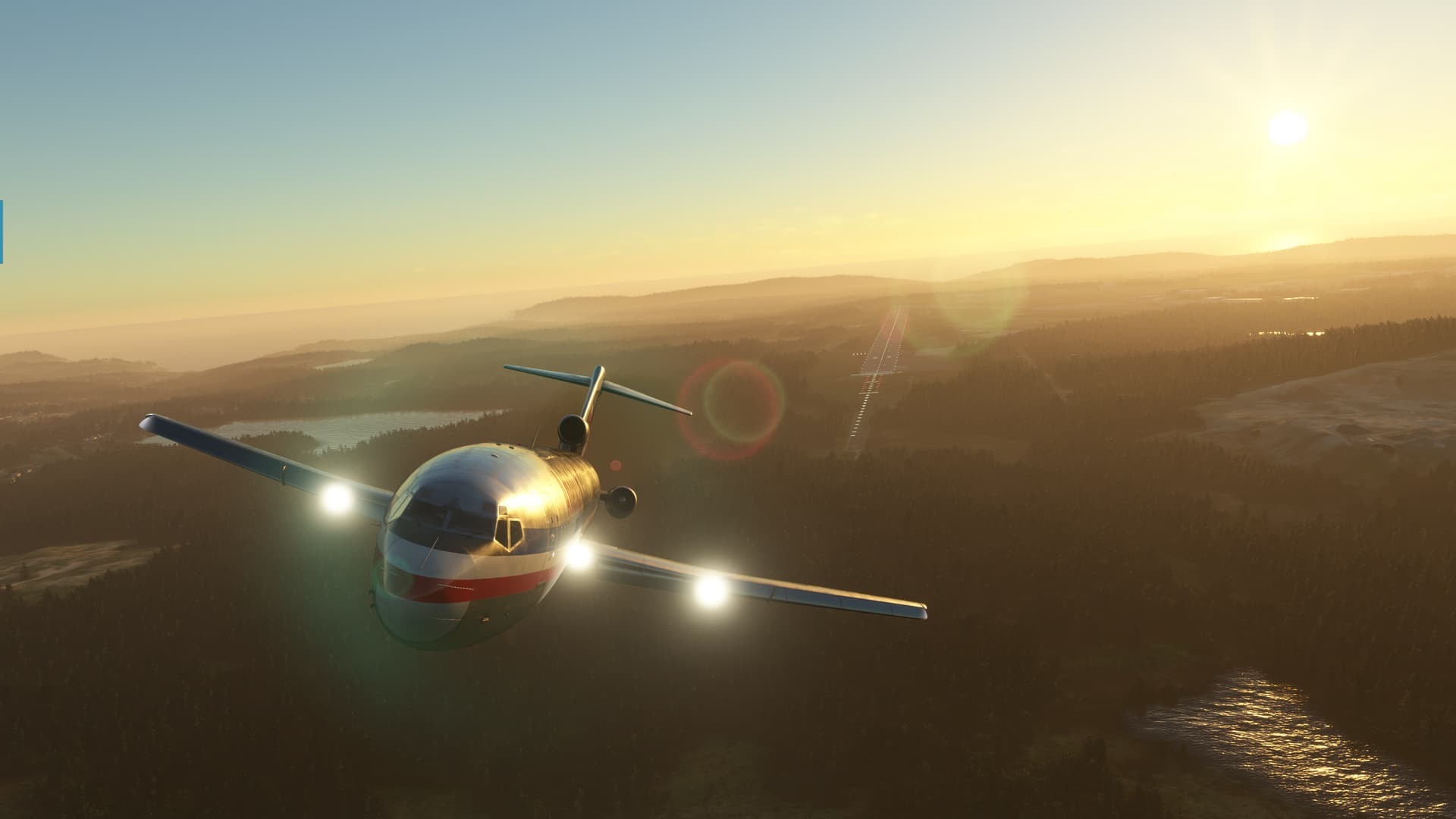
With that dragon slain, off we went into an early morning haze that felt more like the last of summer than the beginning of fall.
Lovely morning with reports of good weather over the Atlantic.
The auto EPR bugs did a fairly serviceable job of matching the charts with a low altitude fuel flow of a little under 6000lbs/hr/engine, which didn’t seem exceptionally high.
But, it’s been a long time since I flew a turbojet, so what do I know? 
Following the whole fuel folderal, I forgot to note that this would also be my first long range test of the CIVA INS. FSS says they put drift in the sim, so it’ll be interesting to see how much it drifts by the time I get there.
Climbing through the teens, I looked back to see what the gas gauges said: still full wings and over 29,000lbs in the center.
I think I’ve solved my previous range problem.
Turns out, it was the nut behind the yoke that was the cause all along! 
In due time, I had managed to couple up the autopilot, get the INS direct leg into the CIVA, and throttle back to a very comfortable 2800lbs/hr/engine with 46,000lbs of fuel on board.
Great day to be flying! What could possibly go wrong?
Turns out…quite a lot.
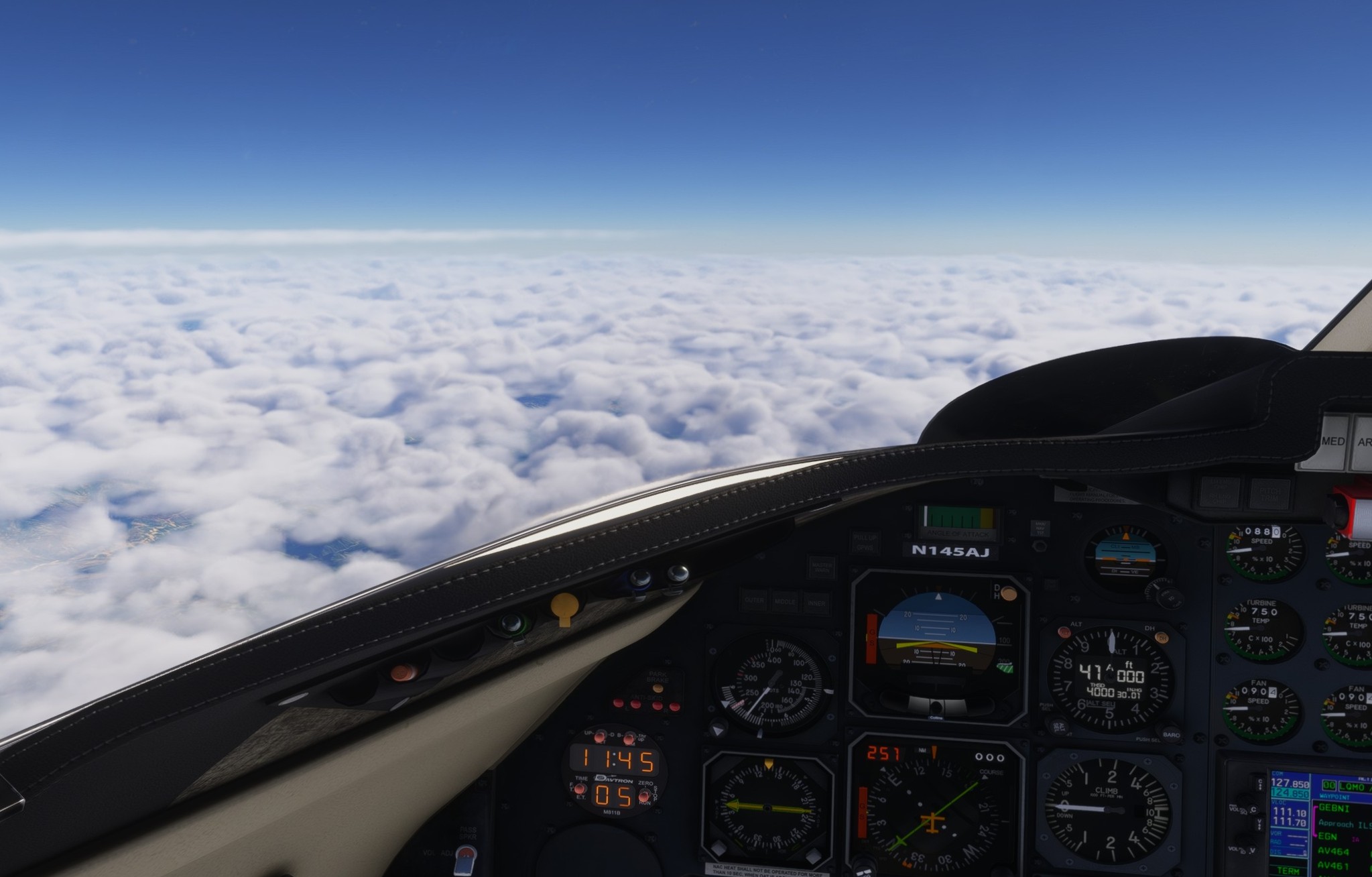
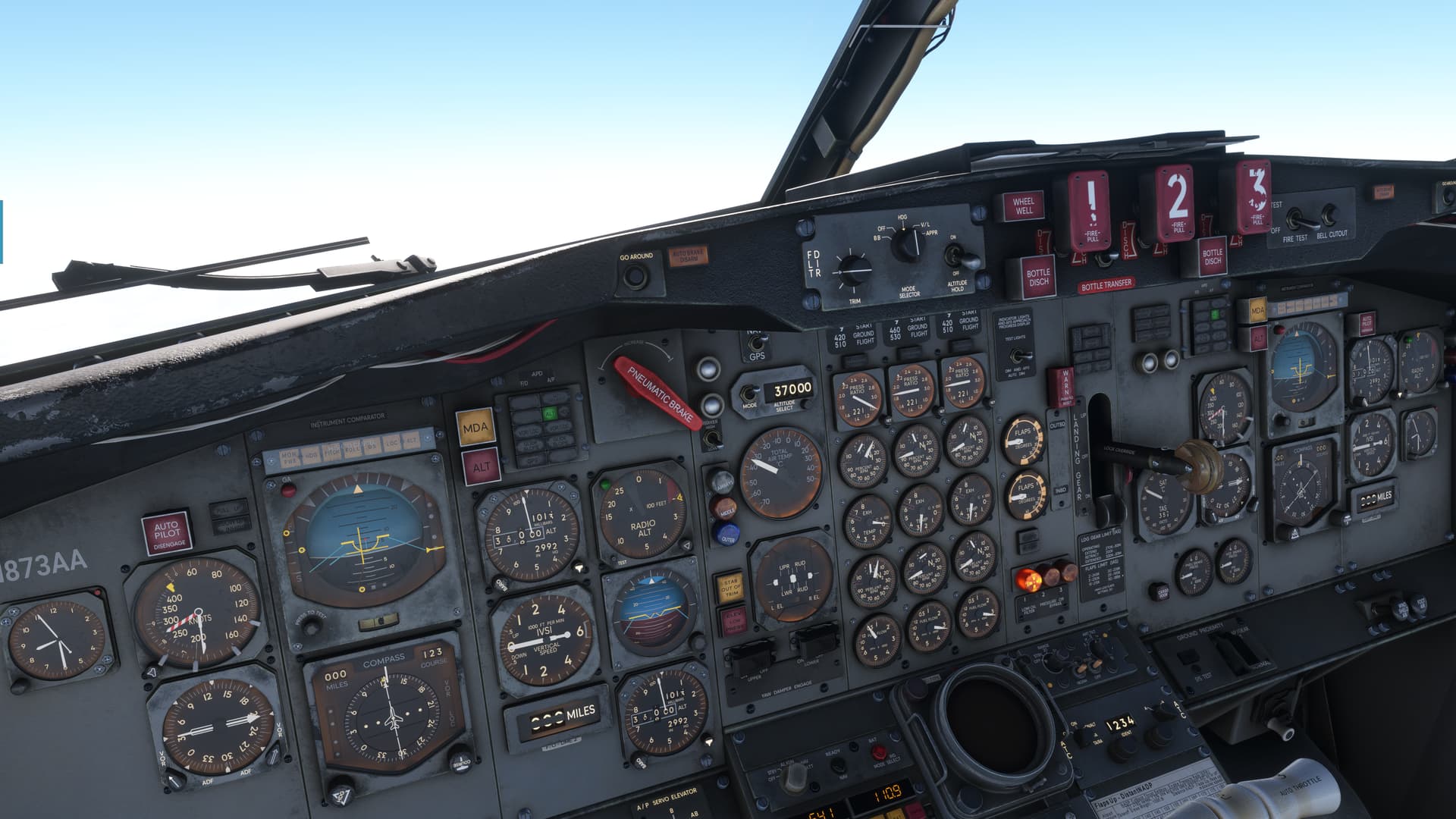
I had just done my 90 min out fuel check and everything was looking good.

Yes, mostly.
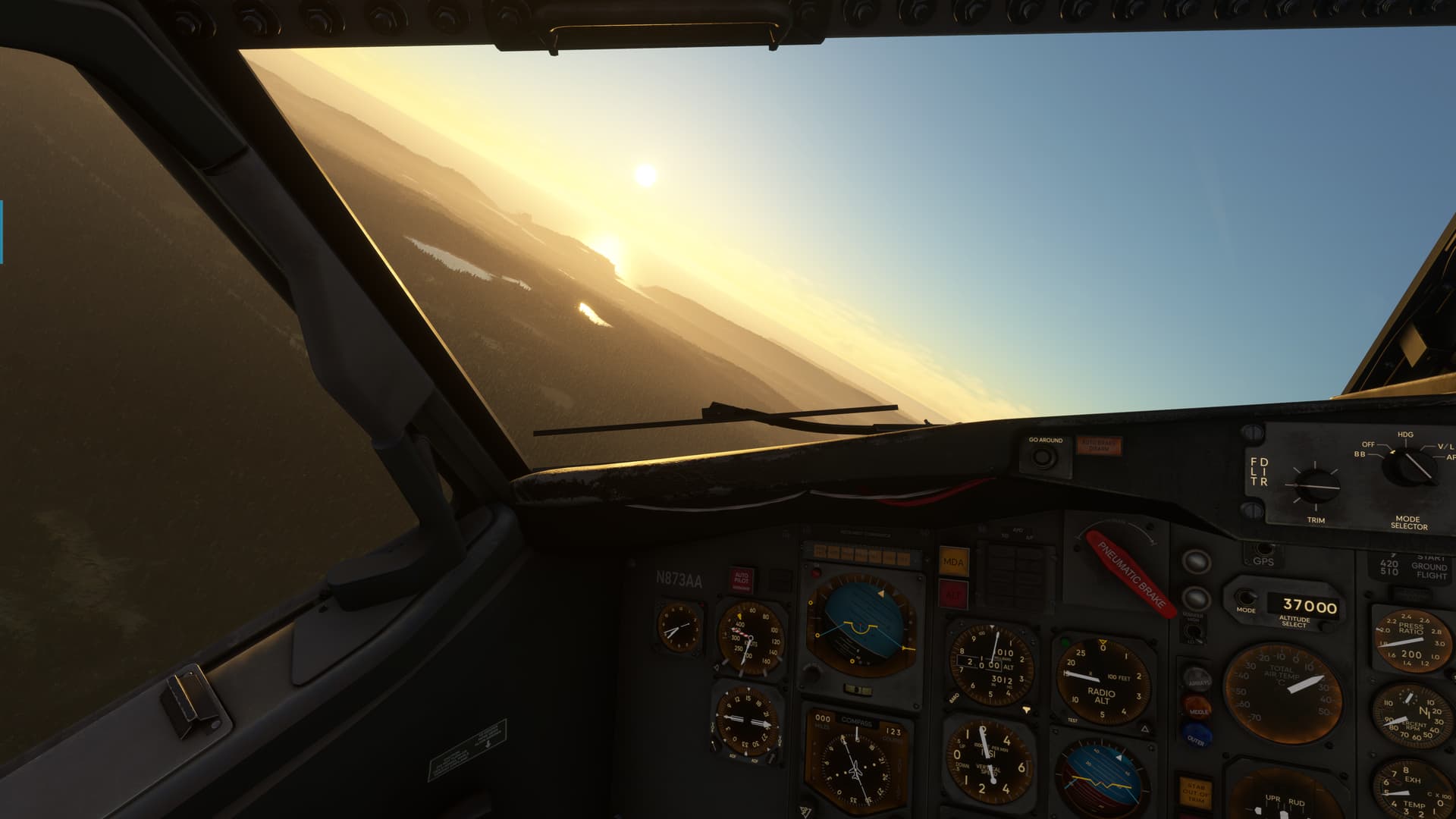
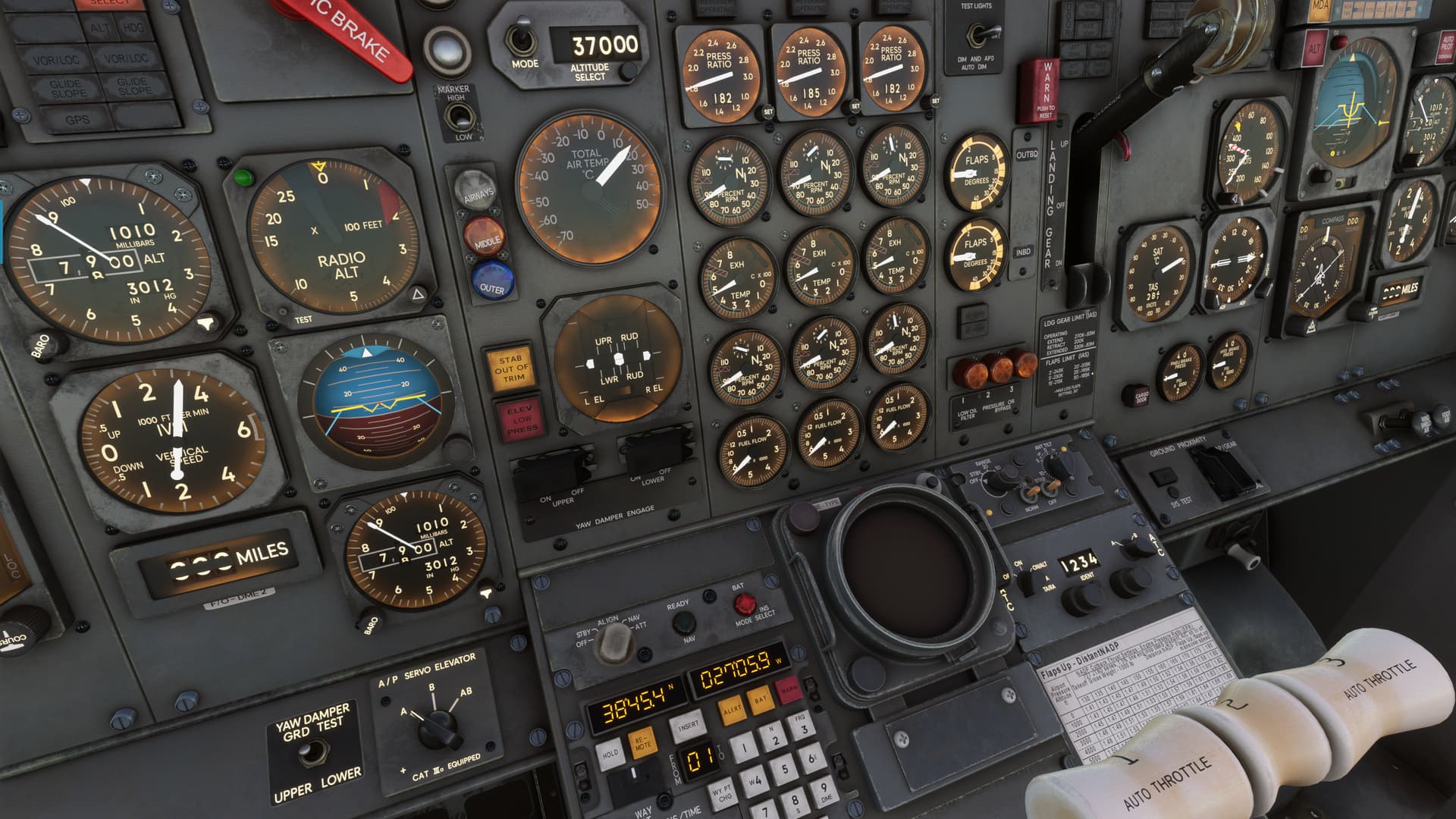
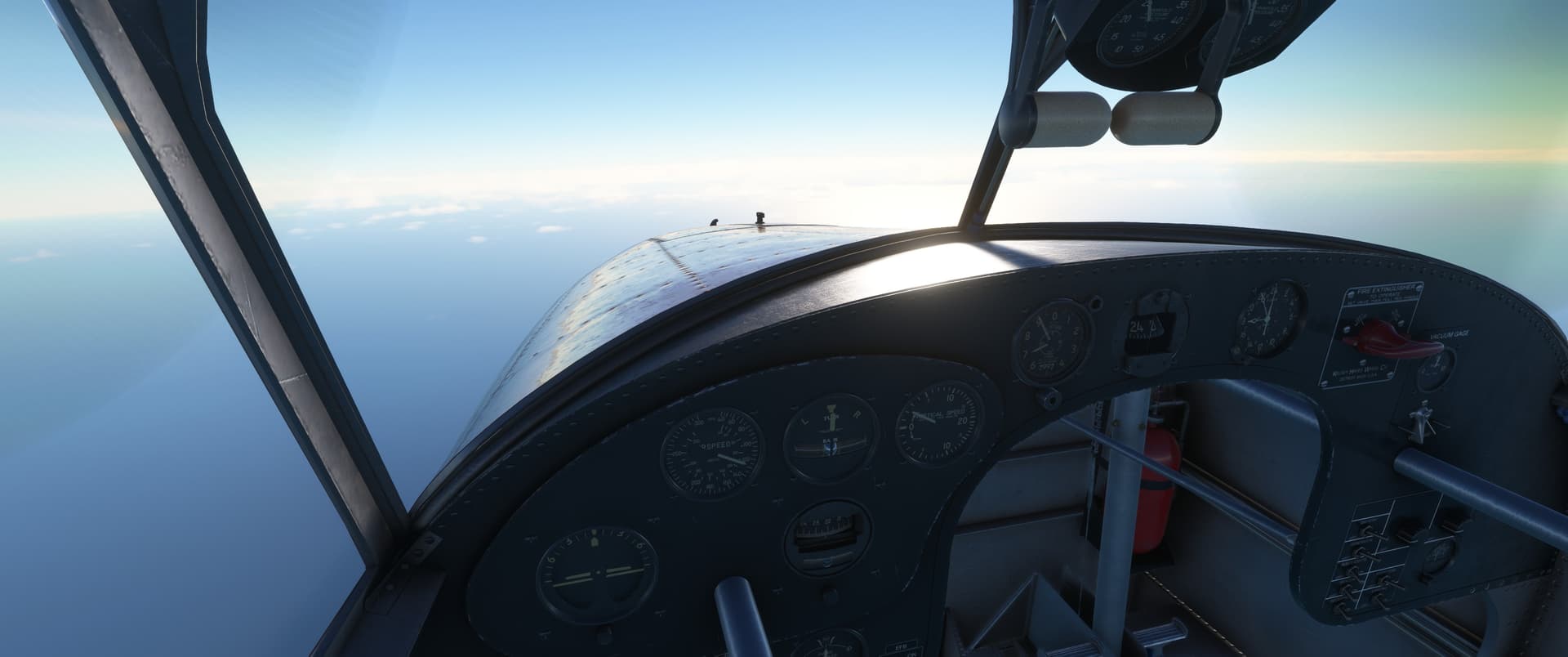
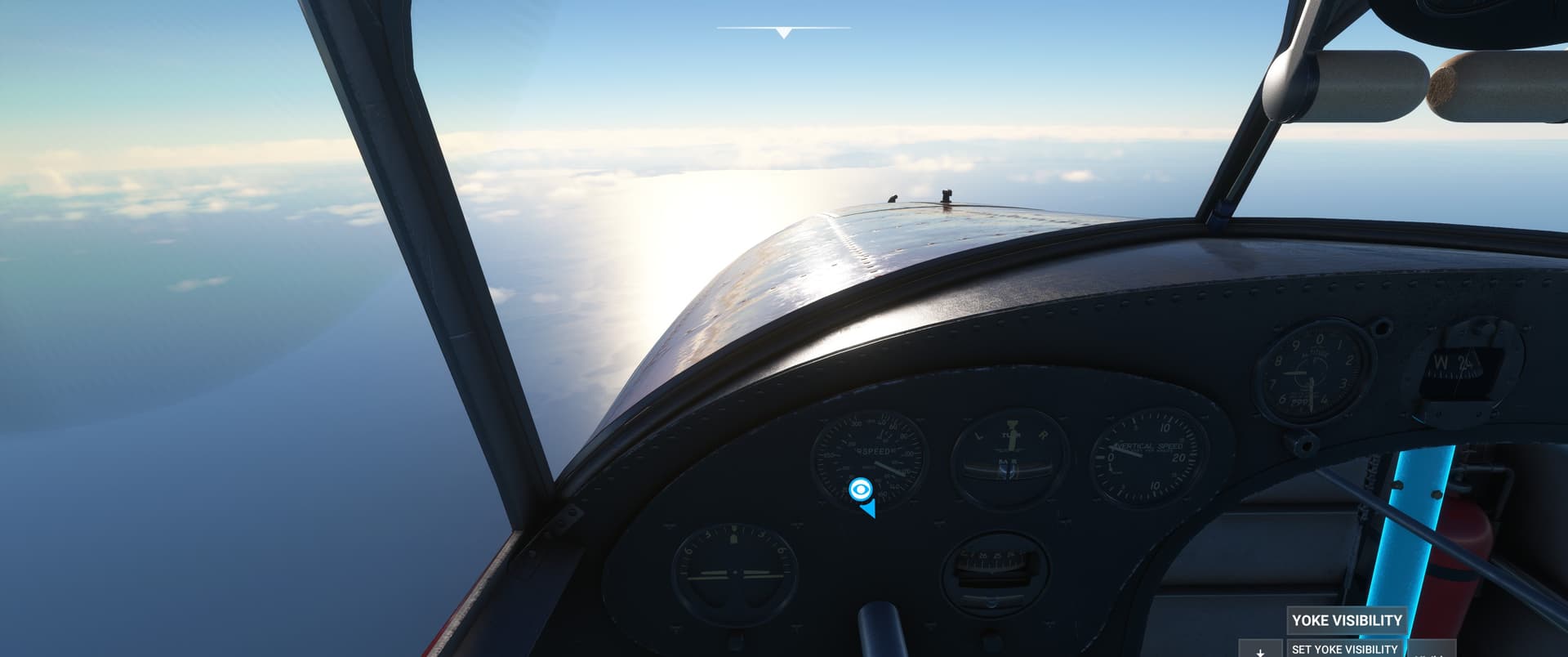
See if you can see what I didn’t at the time.
It’s not a very fair question as most of the panel is hidden. I didn’t catch it either until I went back to the captain’s seat.
Do you see it now?
The first thing that caught my attention was the big amber light that was illuminated on the panel, LOW OIL PRESSURE OR FILTER BYPASS on number 1.
And my next thought was, “How the Hell do I have a low oil pressure light…I don’t even think that I have failures enabled in the sim!”
But, you see, the one thing that can give you a low oil pressure light in a sim where you don’t have failures enabled is when the engine is off.
Now, I know what you are thinking. “How the Hell do you have an engine off if you don’t even have failures enabled in the sim?”
And, at the time, I didn’t have an answer to either of those questions…but I was kind of busy at that moment. 
Given that I only learned where the gas gauges were on my last flight, I think it’s fair to guess that I most certainly did NOT have the engine failure procedures for the 727 memorized.
So I made them up!
-Engines 2 and 3 to Max Continuous Thrust
-Descend to Max Driftdown Altitude (which I didn’t have so I also made up!)
Now, on to a relight.
Again, I really didn’t know why the engine had failed. The oil pressure was the first thing I saw. But of course, it was the only thing with a light in the front cockpit, so that was no surprise. I had full oil quantity, so I didn’t run out of oil. I had N1, but no N2. N2 bearing seizure of some sort? What kind of compressor/turbine setup did the JT8D even have? No idea.
Well, I figured that there was nothing to lose by trying. So I tried. But the engine resolutely failed to relight. Of course, I was making up procedures as I went along. So again, that was no surprise either.
At this point, I was VERY tempted to try old CTRL E to see what would happen. But, on a certain level, I kind of felt that this would be cheating. Not to mention potentially dangerous. Turning over something like engine starting to the AI is a bit like opening a box of chocolates…
So, that didn’t exactly seem like a great idea.
Plus, by this point, I was only about an hour out from Lajes with two good engines. And plenty of gas left.
I decided to continue.
Have you ever noticed that, sometimes, fate seems determined to teach you a lesson, and just won’t take “no” for an answer?
Well, I was about to have some very interesting lessons taught to me; all of a sudden like.
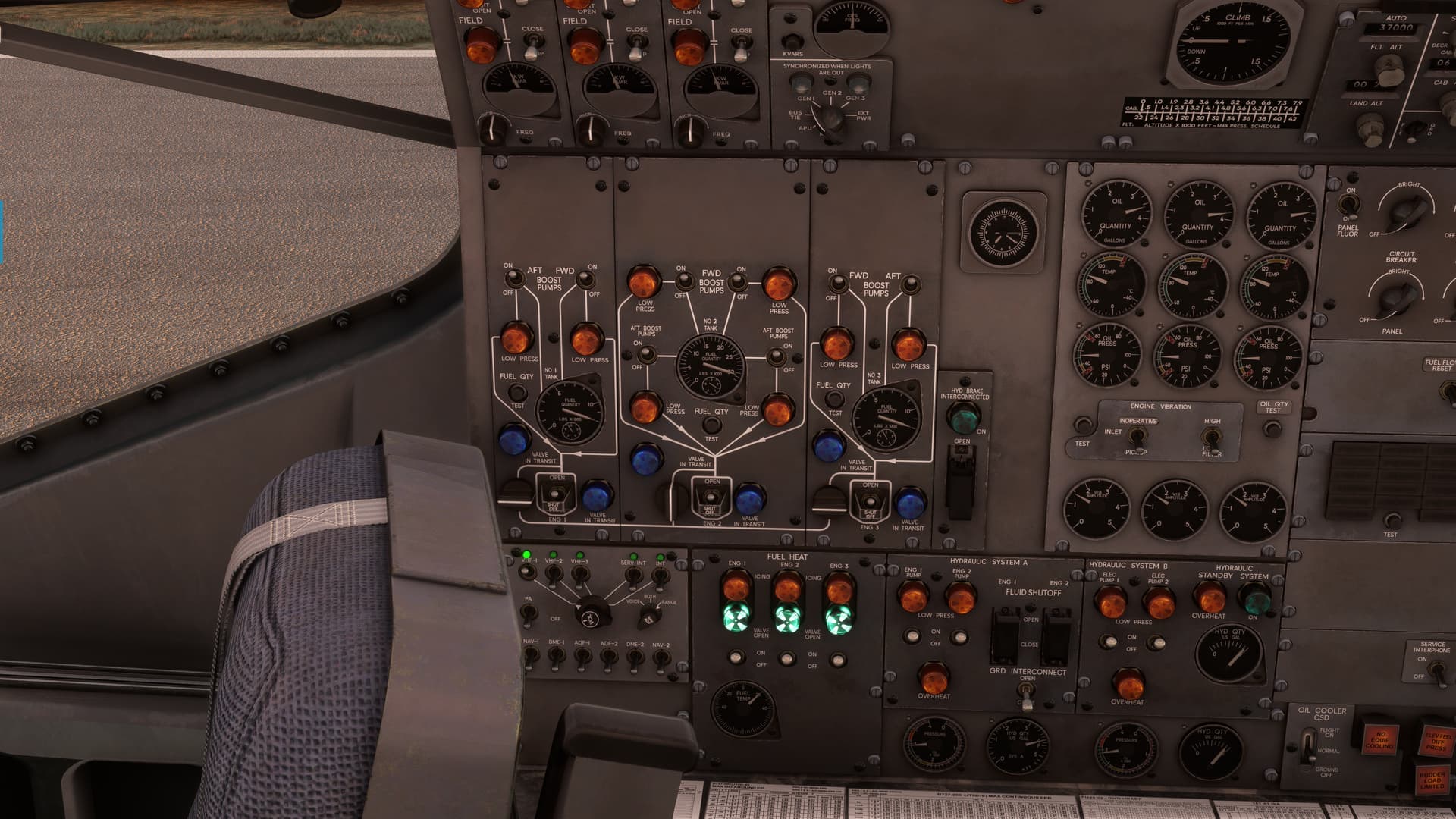
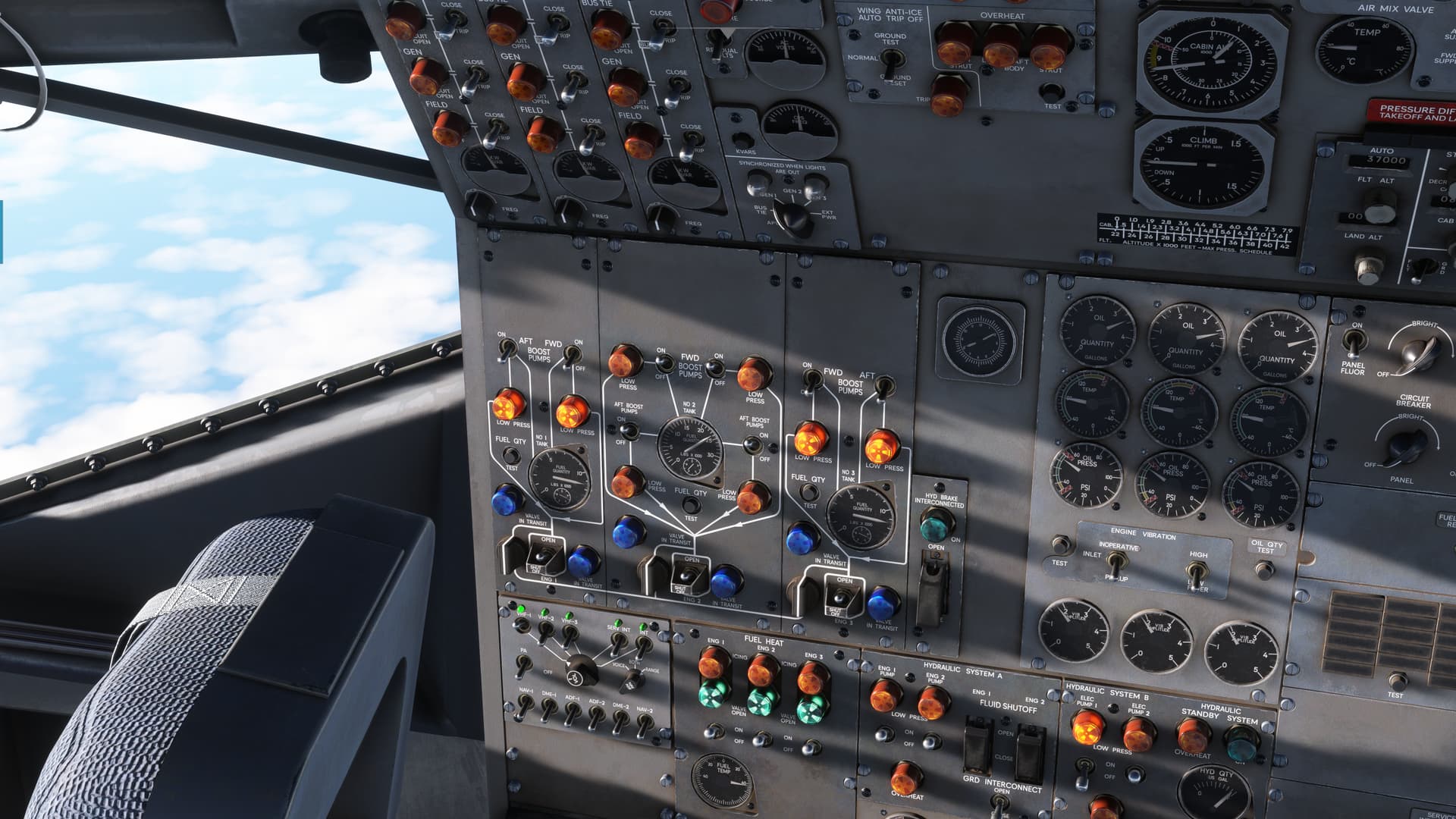
Below, just for reference as I didn’t take a good screenshot at the time, is the fuel panel. Naturally, with an engine failure you might expect it to be necessary to balance the fuel somewhat.
Sadly, my automated FE wasn’t doing a great job of it at the time. So, I decided (cue ominous music) to do it myself.
At first glance, the panel seemed to be straightforward(ish). Engine fuel shutoff switches, boost pumps, crossfeed valves, etc.
But the moment I closed the center crossfeed valve and shut off the right side boost pumps, the Number 3 engine failed almost immediately!
I’m not sure that I buy that shutting any crossfeed should starve the engine. After all, each engine still has its own tank to feed it.
But there it was…now I was down to one…
I was honestly not sure how the 72 would do on one engine. But, at that point, everything had been going along so swimmingly that I decided that I could do no worse than to try CTRL E, simulating an inflight air start attempt, done properly this time.
And everything restarted!!!

So, that was a thing.
Well, I can’t tell you how much I just wanted for this flight to go on and on and on.
But, darn the luck, I finally reached the Azores.
From there things went smoothly enough, what with three engines and all.
A quick entry into the downwind at Lajes and I was in the pipeline five by five.
Hopefully, with a better outcome! 
In the end, and despite all probability, we brought her in…mostly in one piece.
So, what did we learn?
This flight had started out as a fuel experiment (remember that?) And that problem seems to have been solved once I figured out the interface.
The engine failures, I’m less sure about.
Unless I misunderstand the plumbing of the 72 (a distinct possibility), I’m not certain why the second engine failed. Equally odd, I seem to remember accidentally clicking on the left crossfeed valve at some point right before the first engine failed as well.
So, it feels as though, what I’m taking to be the crossfeed valves, are acting like shutoff valves.
Which bears more investigating.
At least now I know that I can restart it should my fat fingering give a new meaning to the term, “Whisper Jet”!!!
Holy crap this was a long one!
Well, I’m learning. So maybe these will shorten as time goes on.
Although, given my history…
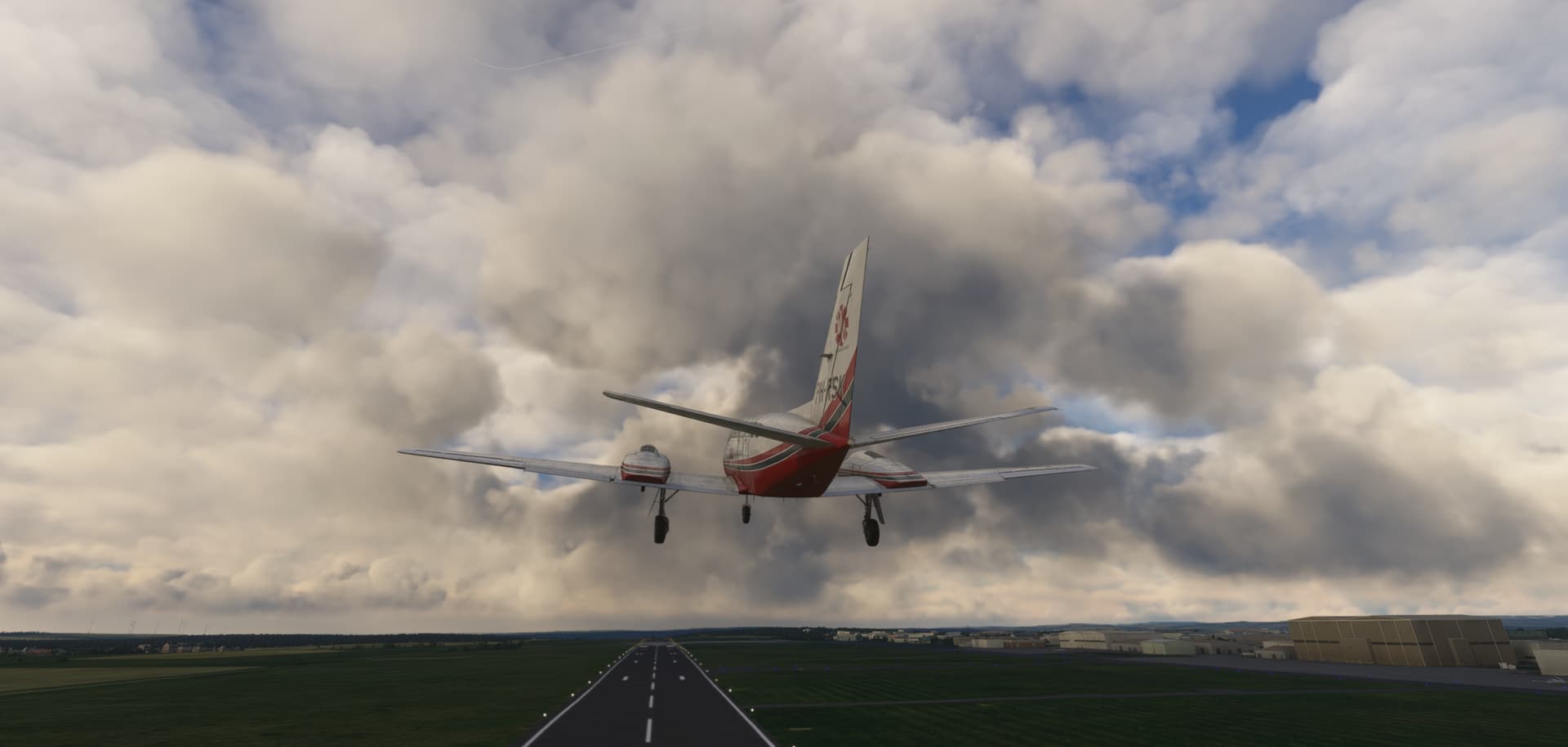








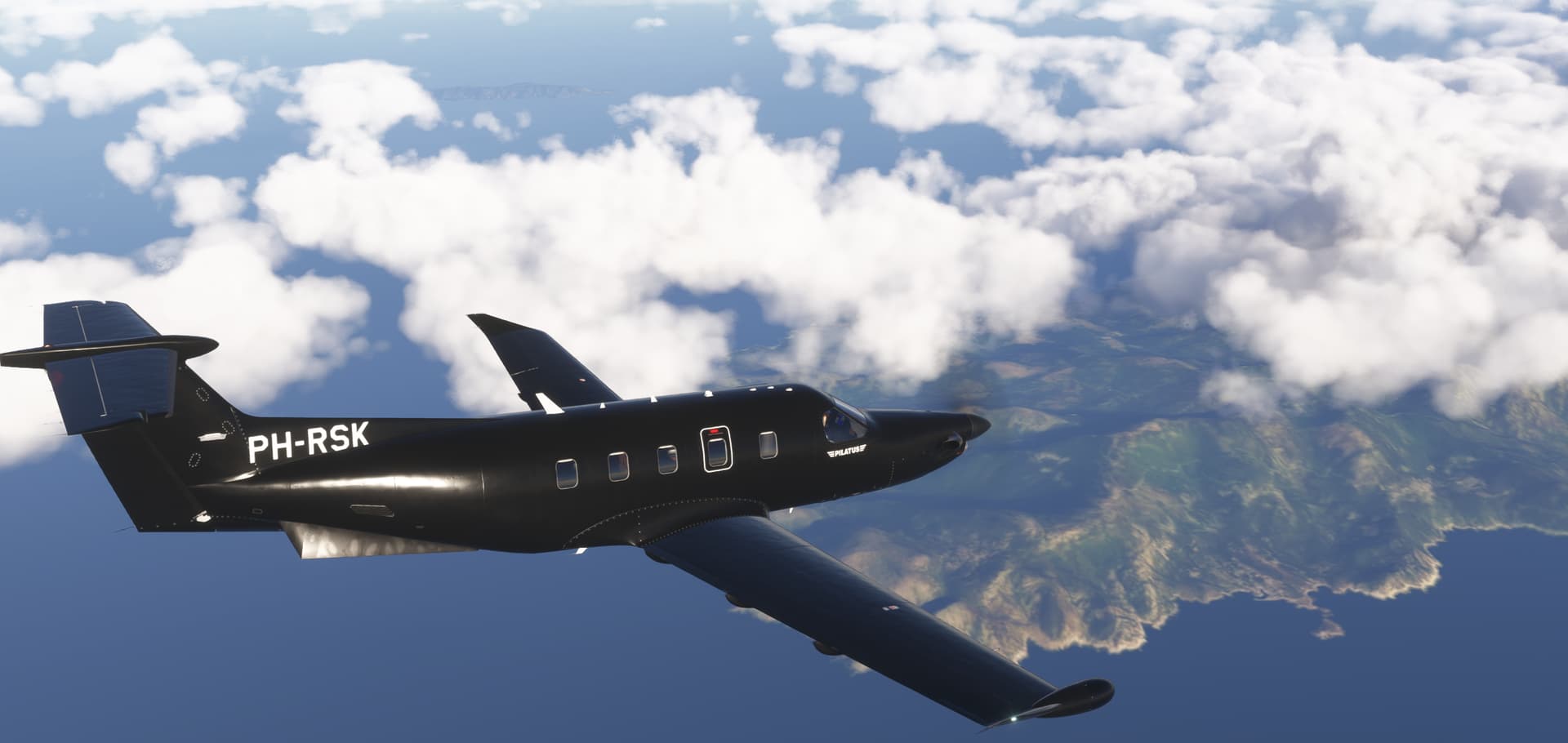
 Is it the default one? How is it to fly - systems, flight model, avionics… all good? It is on my list to take it out of the hangar but as far as I recall, it did not get a very good welcome by the MSFS community due to many bugs (when released; now one year later I hope it has improved).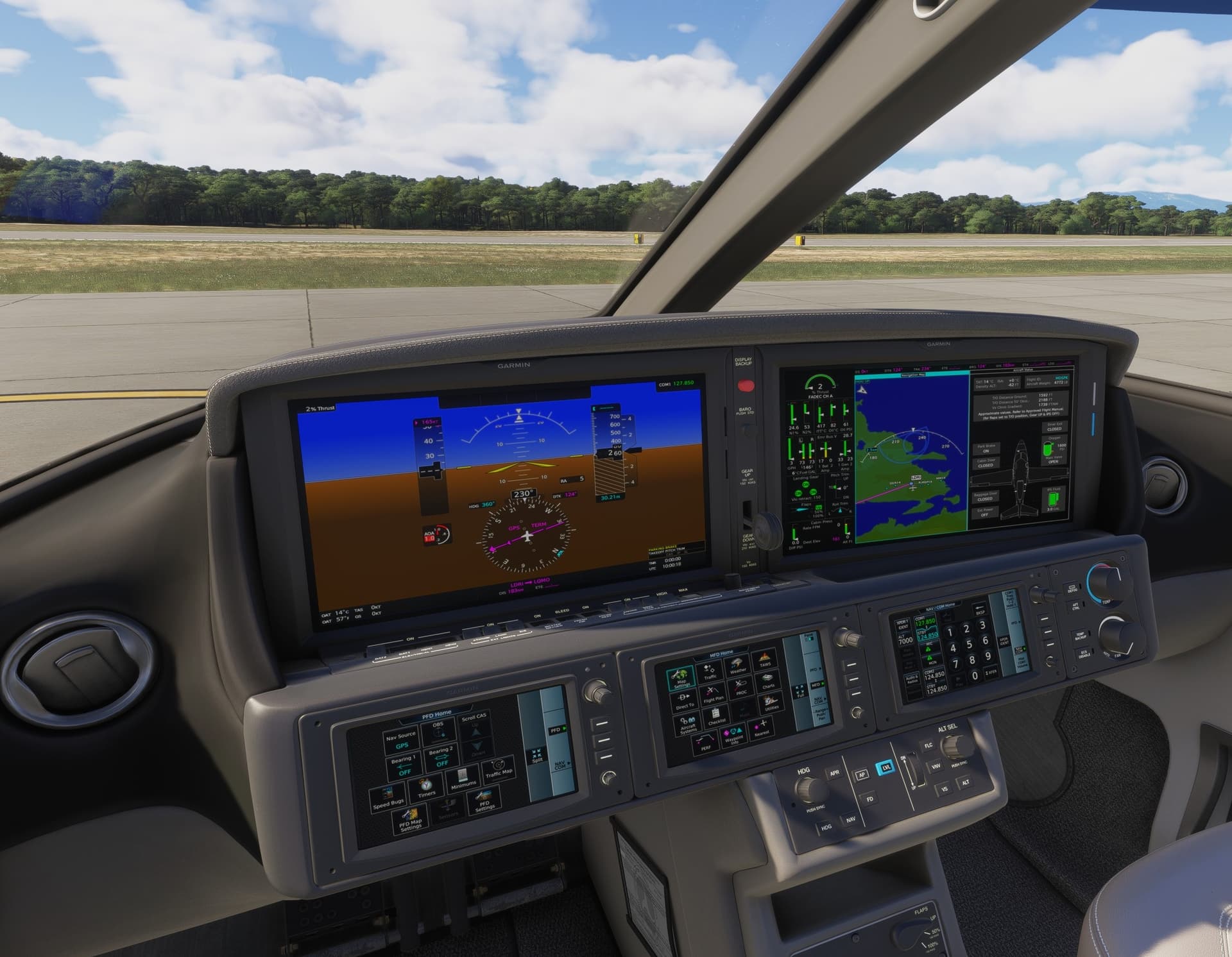
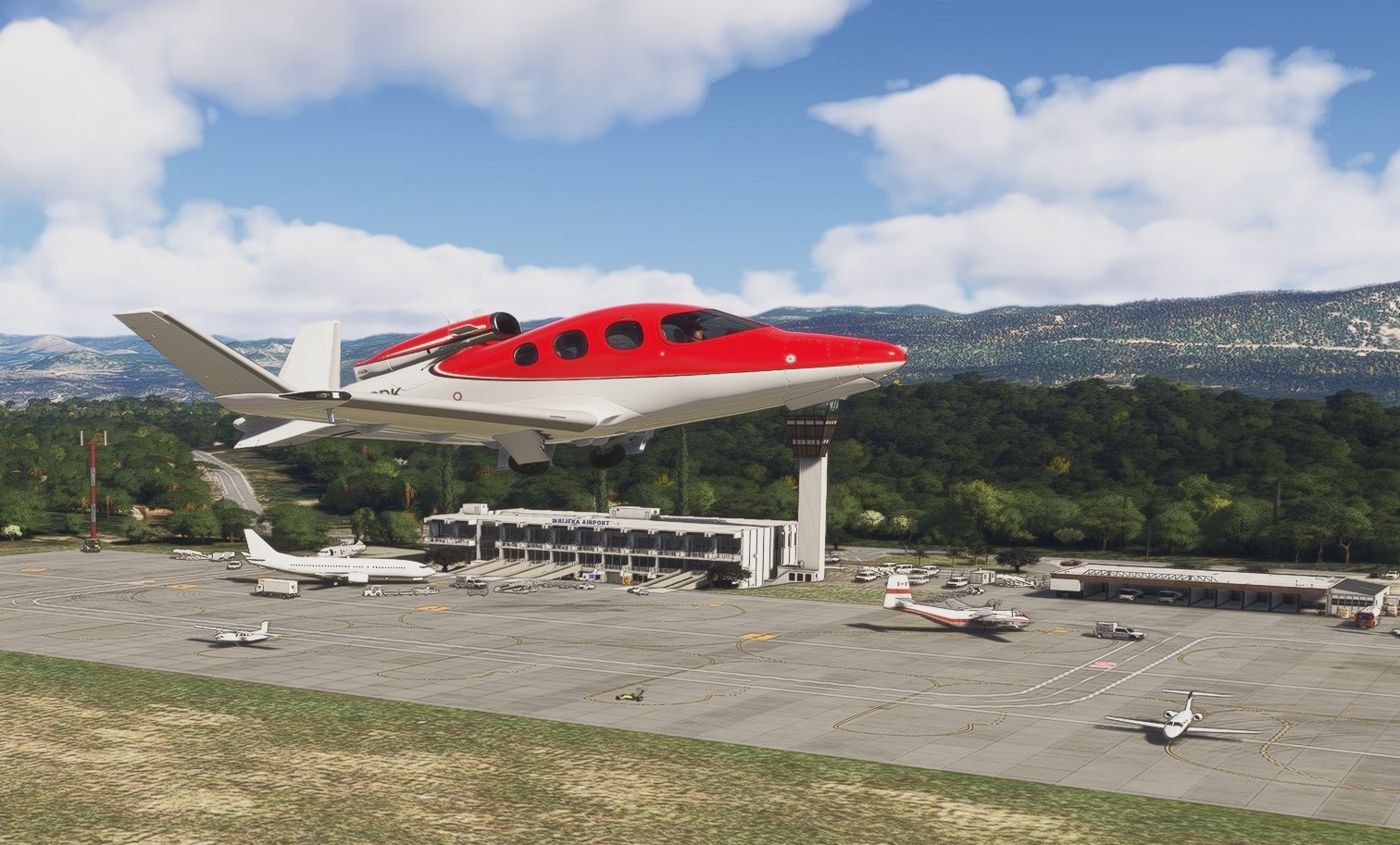
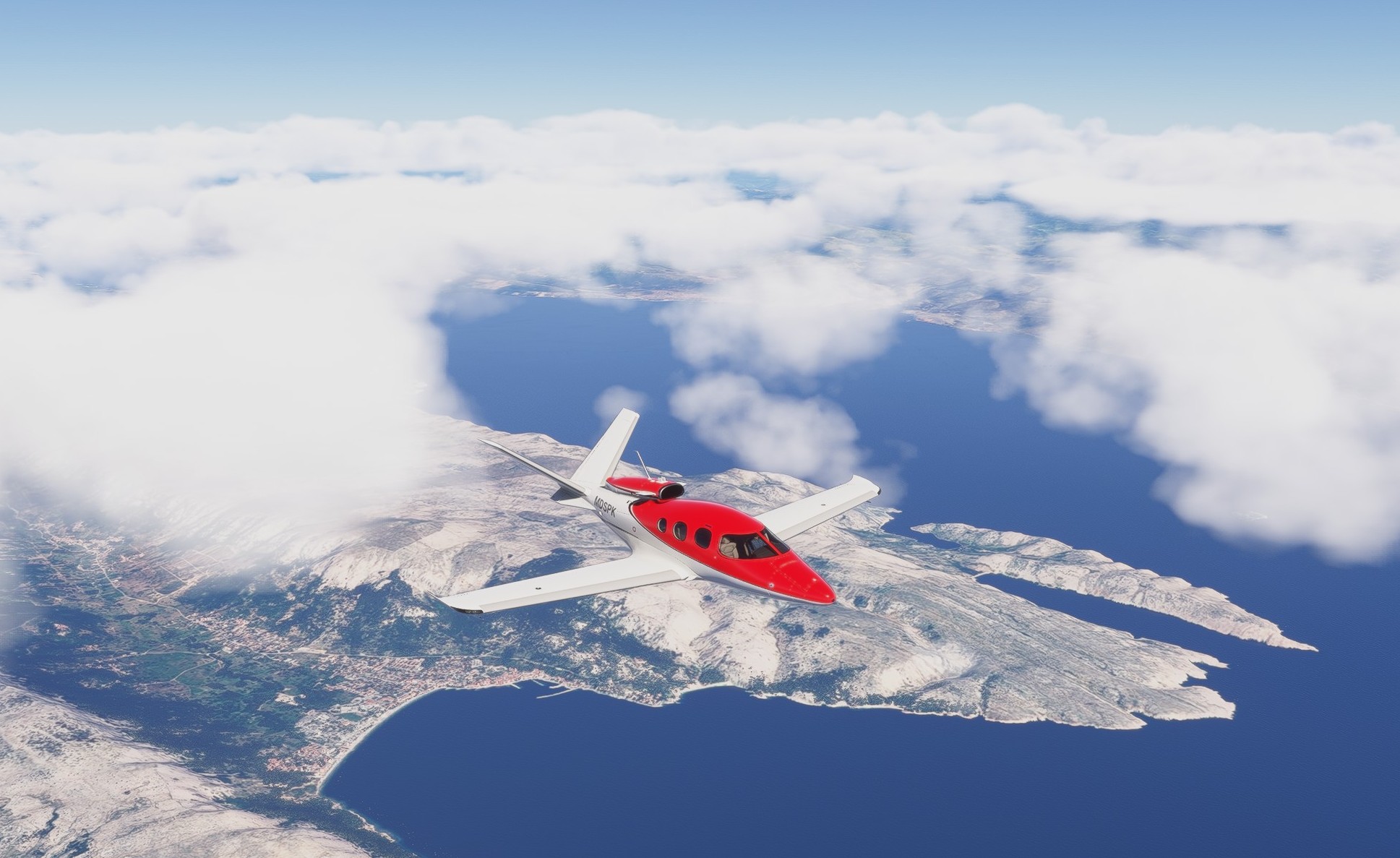
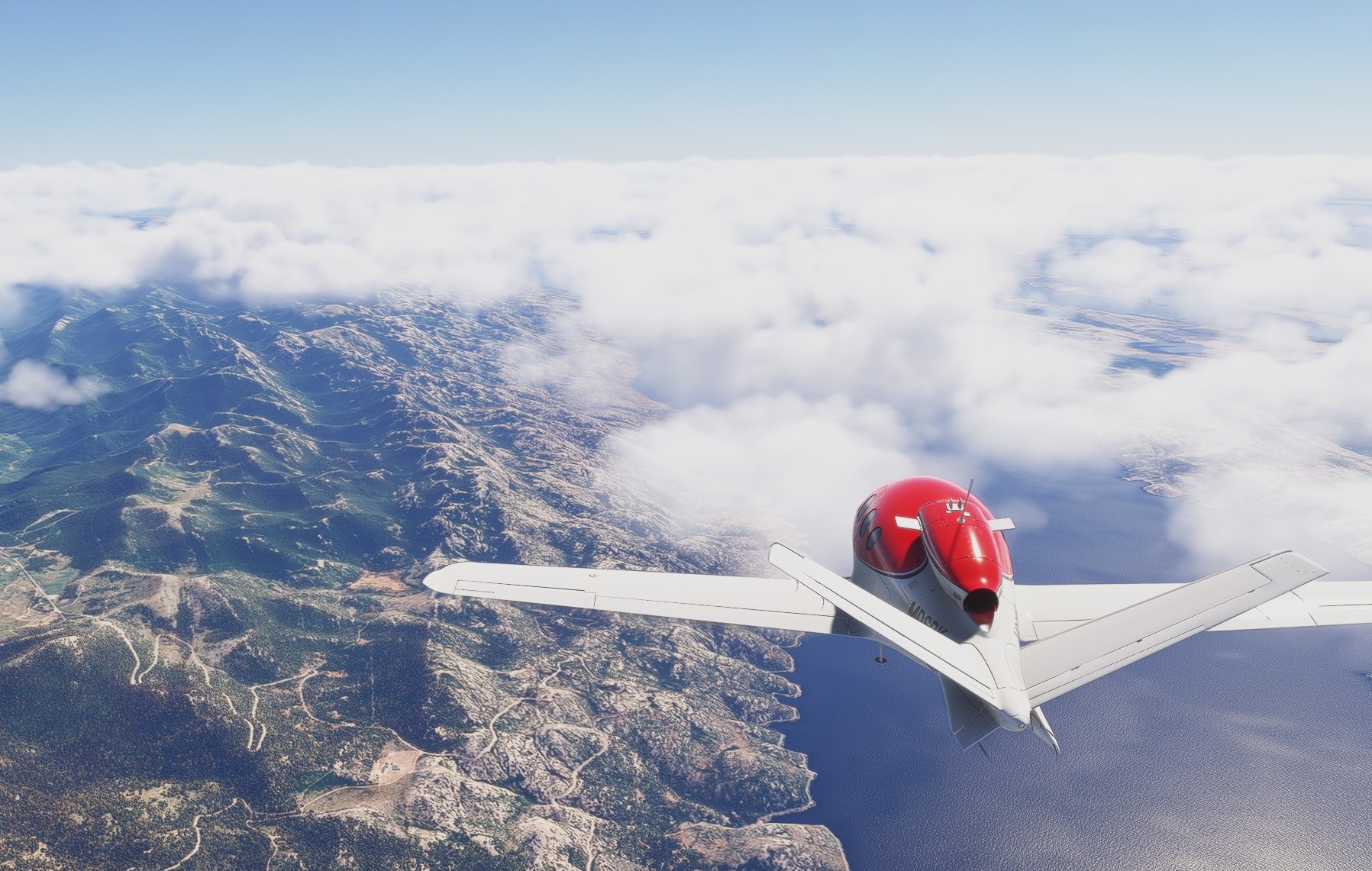









 , this one
  :
: