It’s an odd one for sure. I think the Starship would need earth orbit refueling before being able to get a lunar orbit (and then get back, so 4 burns), and maybe they don’t want to bank on that as well - the idea of two starships transferring fuel is meant to be on the ‘Mars’ roadmap but all sorts of physics make it quite hard.
The good thing is that this is $2b+ to SpaceX, and like you said, prevents the embarrassment of NASA having to deal with SpaceX getting there first. Plus of course, the SLS jobs program. It’s good to have a few paths all at once.
Still, going from that Orion Apollo-like capsule for the 3 day lunar transfer…
Fantastic news. I think this is the boldest of the three options, but the one with the greatest potential. Very unexpected decision by NASA though, because it basically makes their own SLS/Orion/Gateway superfluous.
As has been mentioned, why send astronauts on the enormously expensive SLS/Orion to the Gateway to board Starship HLS in lunar orbit, when you can access the same Starship HLS in low earth orbit using Falcon 9 and Crew Dragon? The Starship HLS will travel back and forth from low earth orbit anyway to get refueled, so you might as well board it there using a cheap capsule from the commercial crew program.
Perhaps NASA is willing to ditch SLS soon. Perhaps after a first flight to save face?
NASA wants to, it’s congress that forces the issue and allocates the money directly to the SLS project.
My understanding is that Lunar Gateway is still an thing. I am not 100% sure that the Starship we see today is what will land on the moon but orbital refueling is what SpaceX has planned for.
It is also interesting to note that the other two ‘competitive’ bids were almost double (Blue Origin) and almost triple (Dynetics) what SpaceX offered. Initially, the SpaceX proposal was significantly higher but when NASA noted that they only had $3 billion for the multi-year project (~$850 million for this year, and each year after), SpaceX said “Ok. We will do it for that.” I mean SpaceX was going to do it anyway, but you figure Mr. AmazonMoneyBags would have been interested in being competitive.
Bezo’s M.O. from Amazon was to let other people do the building and then swoop in when there was a profit to be had - let the other guy do the R&D, new market chasm crossing etc, and then he can do his “Your margin is my opportunity” thing and spend huge cash on catching up and cloning it (but with better margins). Blue Origin seems more just like a hedge to keep in the game so he can ramp up when needed. He can let Elon blow up lots of steel now but then come in down the line once the system is more proven and copy it. It sounds cynical, but that’s why he’s the richest man on the planet, and it’s been how he’s done things for 15 years now.
If SLS didn’t exist then I can still picture getting lots of people/tons to the moon if they just take the human landing rating on Earth out of the equation in the short-term for Starship. So we’d have:
Starship goes up into orbit unmanned, on Super Heavy. Super Heavy lands and is reusable.
Starship gets fueled in LEO with other Starship Tanker Variants
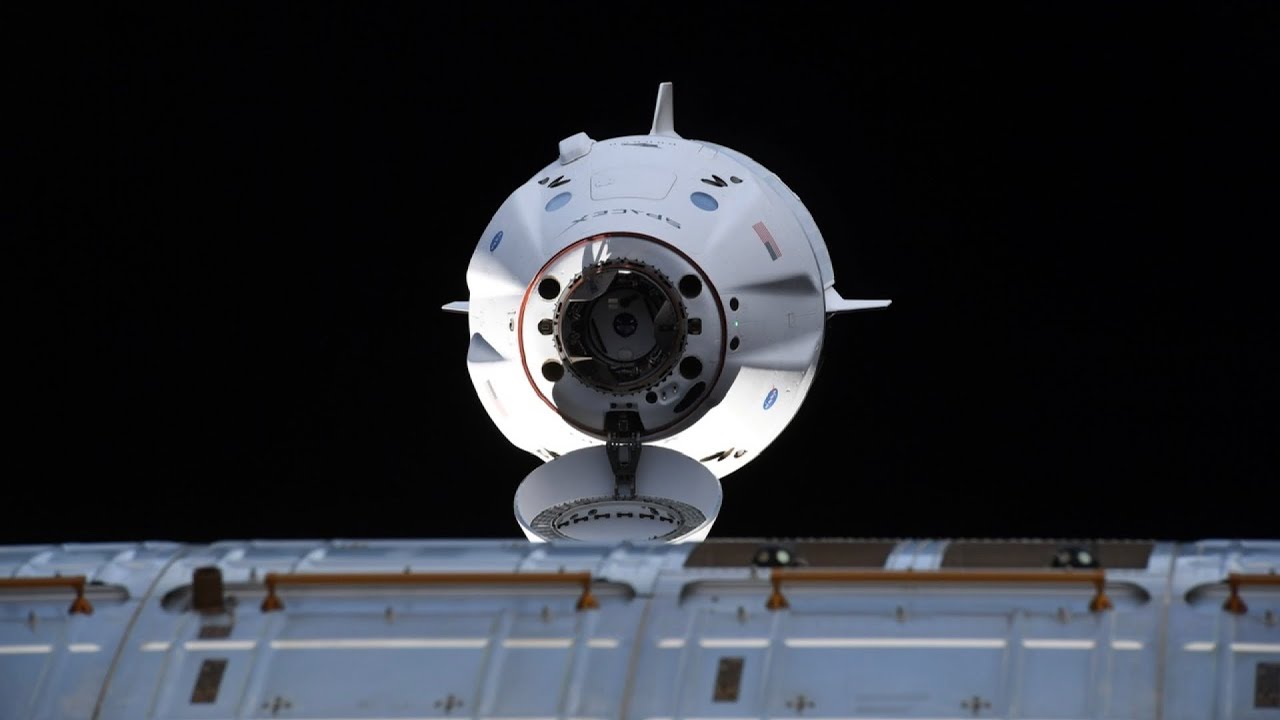
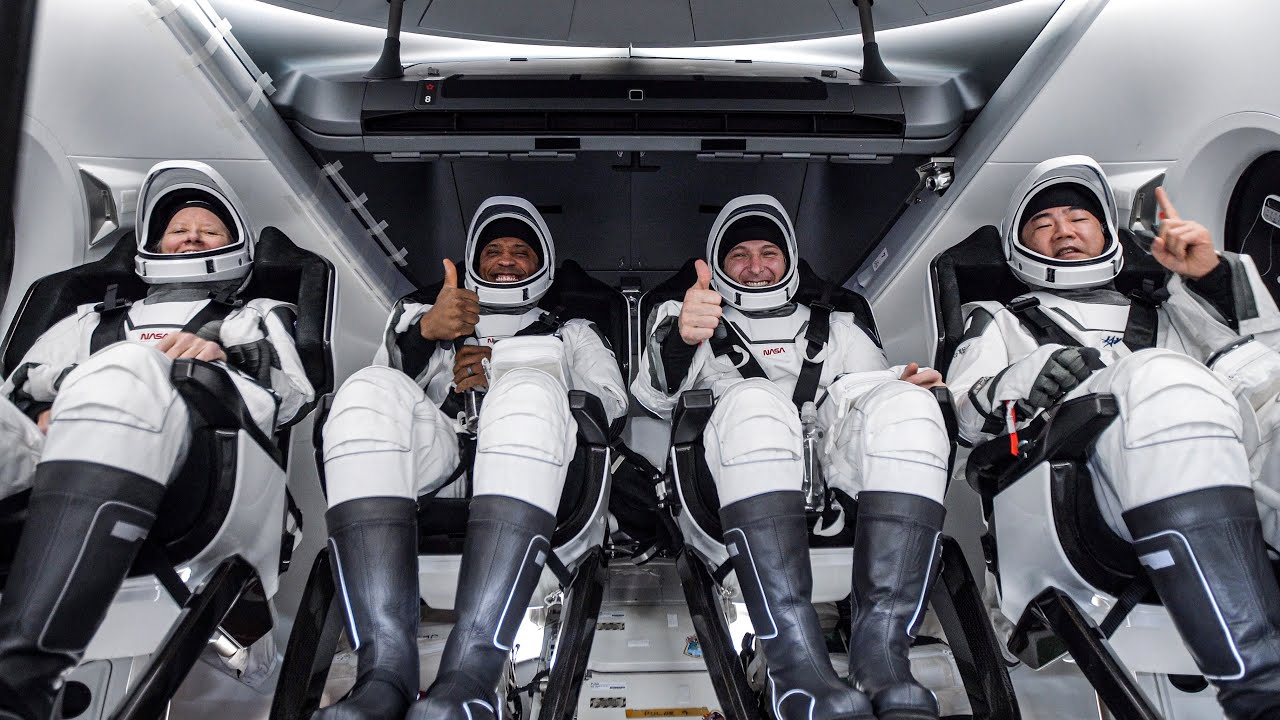
Falcon 9 / Dragon man rated (today) takes up 6 crew.
Dragon transfers people to Starship.
Starship goes to the moon, lands, comes back to LEO.
A Dragon/F9 comes up and picks them up, returns to Earth.
Repeat, reusing the Starship ‘Lunar Variant’ left behind for the next mission.
So this doesn’t mean Starship heat-shield and man-rated landings work have to stop, it just means they don’t have to be ready for the above to start. The Lunar Gateway could also be used, especially if it means Starship Tanker/Cargo variants resupply it. The biggest risks for the above are the reusable Super Heavy (landing at a tower that catches it, good grief!) and in-orbit refueling.
I’m keen for them to get on with Super Heavy reusability testing soon, as that would unlock so many things. Hopefully it goes as well as Falcon 9 did (and I think it will in time).
The $2.9B contract pays for 1 lunar landing test (un-manned) and 1 two-person landing if that goes well. The bid was pretty much exactly the amount NASA could afford at the time without more money from congress (like @Fridge said above) and pretty much dictated that SpaceX would then get the bid. I think SpaceX’s attitude was more ‘We’re going to do it anyway, so if this pays for half then cool’. The other half of the money for Super Heavy development may come from the military side, as they have a few big cargos they wouldn’t mind getting up high.
The image of the lander provided by NASA also has a few quirks (I just read this, didn’t noticed myself). The top section covered in solar panels and then a ring of gas maneuver style rockets - so it looks like NASA isn’t see the Raptor to land on the moon, but a series of smaller traditional cold-gas outputs. The current testing with Starship on sticking the landings with SN15 etc seems not much like this Lunar variant. The aim is 2024 for this stuff, but that seems optimistic (as it should be).
Given that they can hover the older prototype Starship grain silos on 1 ‘old’ model Raptor, it may be too powerful for moon use anyway … I mean if Kerbal Space Program has taught me anything
Awarding the contract to SpaceX does show the confidence Nasa has in Elon’s company.
And I am encouraged that Biden’s administration hasn’t pulled the plug on Nasa’s budget (yet).
This is the first time in 20 years that there are people from four different space agencies on board the ISS: ESA, JAXA, NASA and Roskosmos.
This is also the first time that two commercial vessels are docked at the ISS at the same time, the first time an ESA astronaut flew on a Dragon and the first time a reused Dragon and a reused Falcon9 booster were used for crew.
SpaceX has now launched more people into space than the Mercury program.
There are now 11 people on the ISS. That number has been surpassed only twice IIRC. In the 1990s and early 2000s there were occasions when 13 astronauts and cosmonauts were up there, two Soyuz crews of three and a Space Shuttle crew of seven.
13 is also the maximum number of humans outside of Earth’s atmosphere at the same time as far as I know. But I guess we will see that record being broken very soon.